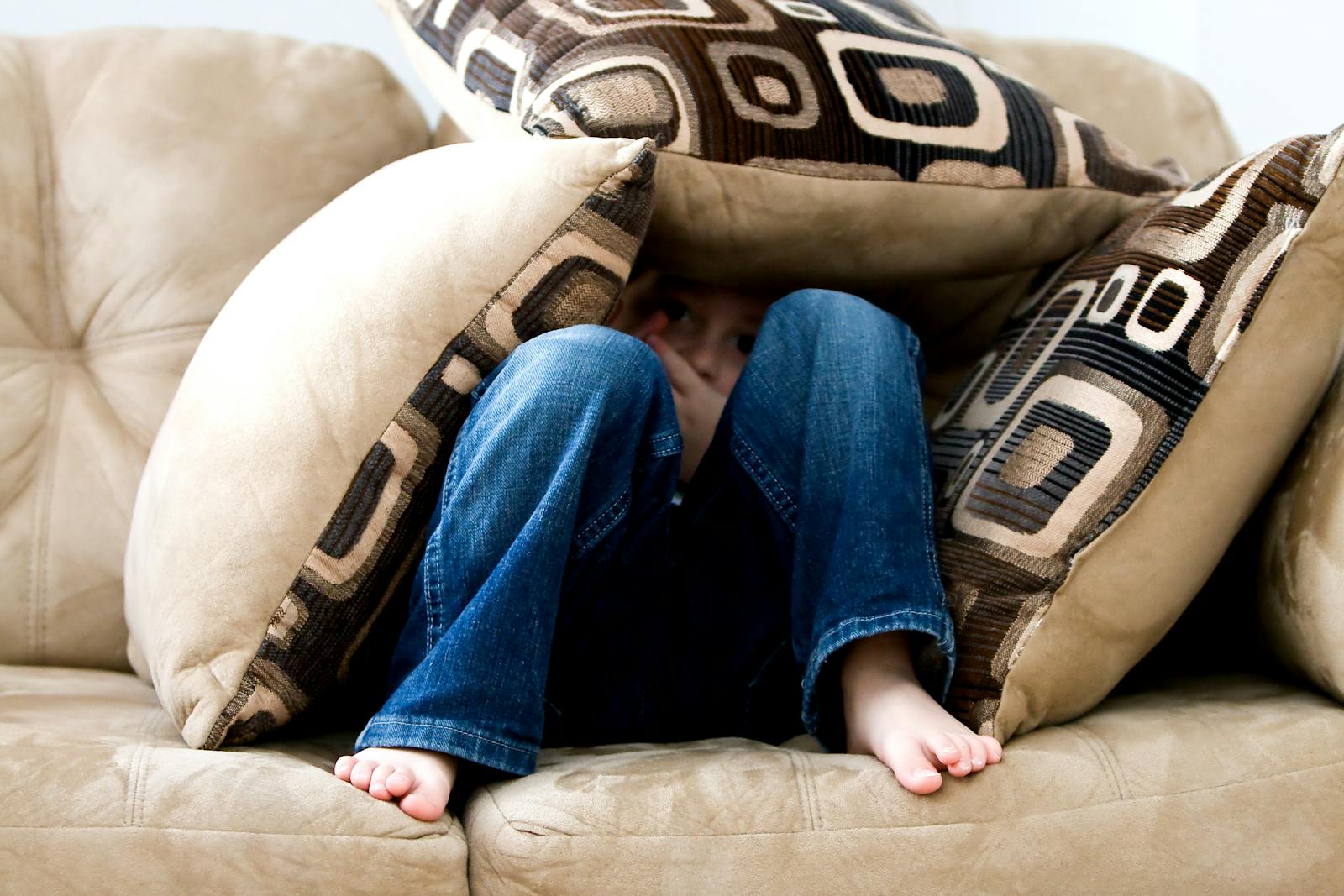
A growing body of research suggests that childhood environments marked by instability and chaos can lead to specific behavioral patterns in adulthood. Understanding these behaviors is crucial, as they can affect personal relationships, mental health, and overall quality of life. Identifying these traits can help individuals recognize the impact of their upbringing and take steps toward healthier relationships and coping mechanisms.
1. Difficulty with Emotional Regulation
One of the most common behaviors exhibited by individuals raised in chaotic environments is difficulty managing emotions. Those who grew up in unstable households often experience heightened emotional responses, which can lead to mood swings or outbursts. This lack of emotional regulation can stem from witnessing or experiencing high-stress situations during formative years, making it challenging to cope with everyday stressors as adults.
Additionally, individuals may struggle with recognizing their emotions, leading to confusion and frustration. They might oscillate between feeling overwhelmed by their feelings and suppressing them entirely, which can create a cycle of emotional instability. Developing emotional intelligence and learning coping strategies can help mitigate these challenges.
2. Fear of Abandonment
Another behavior that signals a chaotic upbringing is a pervasive fear of abandonment. Adults raised in unpredictable environments may have experienced inconsistent caregiving or emotional support, leading to deep-seated insecurities about their relationships. This fear can manifest in various ways, including clinginess, jealousy, or even self-sabotage.
People with this fear may constantly seek reassurance from partners or friends, fearing that they will be left alone or unvalued. Recognizing this behavior is the first step toward addressing the underlying insecurities. Therapy can provide a supportive space to explore these feelings and develop healthier attachment styles.
3. Difficulty Establishing Boundaries
Individuals who grew up in chaotic households often struggle with setting and maintaining personal boundaries. In environments where rules may have been inconsistent or nonexistent, the concept of boundaries can be foreign. As a result, these individuals may find themselves either overextending themselves to please others or becoming overly defensive to protect their space.
This lack of boundary-setting can lead to unhealthy relationships, as individuals may either feel taken advantage of or become isolated due to their fear of vulnerability. Learning to establish and communicate boundaries is essential for fostering healthier relationships and promoting self-respect. Support groups and therapy can help individuals practice these skills in a safe environment.
4. Chronic Anxiety or Hyper-vigilance
Chronic anxiety and hyper-vigilance are behaviors often seen in individuals raised in chaotic environments. Growing up in instability, these individuals may have learned to stay alert for potential threats, both emotional and physical. This heightened state of awareness can lead to chronic anxiety, making it difficult to relax or feel secure in various situations.
For many, this anxiety manifests as an inability to focus, sleep disturbances, or an overall sense of unease. The constant state of alertness becomes a coping mechanism ingrained from childhood experiences. Recognizing these symptoms is essential, as it can lead to seeking appropriate treatment, such as therapy or mindfulness practices, to help manage anxiety and promote a sense of safety.
5. A Tendency to Engage in Self-Destructive Behavior
Self-destructive behaviors are another hallmark of individuals who grew up in chaotic environments. These behaviors can include substance abuse, unhealthy relationships, or even self-harm. Often, these destructive patterns serve as coping mechanisms to deal with unresolved trauma or emotional pain experienced during childhood.
Individuals may not recognize these behaviors as harmful, viewing them instead as a means of coping with their chaotic past. However, addressing these patterns is crucial for personal growth and healing. Professional help, including therapy and support groups, can guide individuals toward healthier coping strategies and foster a more positive self-image.
Conclusion
Recognizing these five behaviors can be a crucial step in understanding one’s past and its impact on present relationships and mental health. Those raised in chaotic environments may exhibit difficulty with emotional regulation, fear of abandonment, challenges in setting boundaries, chronic anxiety, and tendencies toward self-destructive behaviors. Acknowledging these traits allows individuals to seek help and develop healthier coping mechanisms, ultimately leading to more fulfilling lives and relationships. The journey toward healing can be challenging, but it is possible with the right support and resources.

As a mom of three busy boys, I know how chaotic life can get — but I’ve learned that it’s possible to create a beautiful, cozy home even with kids running around. That’s why I started Cultivated Comfort — to share practical tips, simple systems, and a little encouragement for parents like me who want to make their home feel warm, inviting, and effortlessly stylish. Whether it’s managing toy chaos, streamlining everyday routines, or finding little moments of calm, I’m here to help you simplify your space and create a sense of comfort.
But home is just part of the story. I’m also passionate about seeing the world and creating beautiful meals to share with the people I love. Through Cultivated Comfort, I share my journey of balancing motherhood with building a home that feels rich and peaceful — and finding joy in exploring new places and flavors along the way.