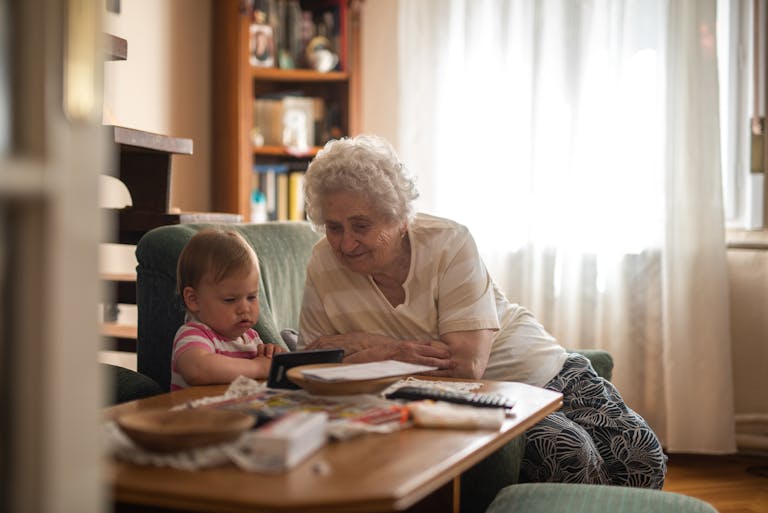
Childhood trauma can manifest in various ways during adult conflicts, affecting relationships and communication. Understanding these subtle signs is crucial for addressing underlying issues and fostering healthier interactions. Recognizing how past experiences influence current behavior can lead to better conflict resolution and emotional healing.
1. Overreacting to Criticism
Individuals with a history of childhood trauma often display heightened sensitivity to criticism. This reaction can stem from early experiences where criticism was frequent or harsh, leading to a defensive posture in adulthood. When faced with feedback, they may perceive it as an attack, resulting in intense emotional responses during arguments.
2. Difficulty Trusting Others
Trust issues are common among those who experienced trauma in childhood. These individuals might approach arguments with suspicion, believing that their partner’s intentions are malicious, even when they are not. This lack of trust can escalate conflicts, as they may interpret benign comments as betrayals, leading to further misunderstandings.
3. Avoidance of Conflict
For some, childhood trauma may instill a fear of conflict stemming from past experiences of violence or emotional upheaval. As adults, they might avoid discussions that could lead to arguments, choosing silence over confrontation. This avoidance can create unresolved issues, allowing resentment to build up over time, ultimately affecting the relationship’s health.
4. Emotional Outbursts
Emotional regulation can be a challenge for those who have experienced childhood trauma. In the heat of an argument, they may have explosive reactions, driven by unresolved feelings of anger or hurt. These outbursts can be startling for their partners, often leading to a cycle of conflict where both parties feel unheard and misunderstood.
5. Using Defensiveness as a Shield
Defensiveness is a common response for individuals with a trauma history. When confronted, they may immediately go on the offensive, deflecting blame or attacking their partner to protect themselves from perceived threats. This behavior can escalate tensions, making it difficult to reach a resolution and undermining effective communication.
6. Minimizing Personal Needs
People who experienced trauma as children may struggle to prioritize their own needs. During arguments, they might downplay their feelings or desires, believing they are unworthy of attention or care. This pattern can lead to imbalanced relationships, where one partner consistently sacrifices their well-being for the sake of harmony, ultimately fostering resentment.
7. Projecting Past Experiences onto Present Situations
Often, individuals with unresolved trauma may project their past experiences onto current conflicts. They might see similarities between their present partner’s behavior and those of past abusers or neglectful figures. This projection can skew their perception, causing them to react based on old wounds rather than the reality of the current situation, complicating resolution efforts.
The Importance of Understanding
Recognizing these subtle manifestations of childhood trauma in arguments is essential for both partners. By acknowledging how past experiences shape current behaviors, individuals can work towards healing and improving their communication styles. Seeking professional help, such as therapy, can provide valuable tools for managing these responses and fostering healthier relationships.
Moving Forward
Addressing childhood trauma’s effects in adult relationships is not only beneficial for individual well-being but also for the partnership as a whole. Open conversations about past experiences can create a supportive environment where both partners feel safe to express their emotions. This shared understanding can lead to deeper connections and more effective conflict resolution strategies.
As society continues to recognize the impact of childhood trauma, it is crucial for individuals to educate themselves and seek help when needed. By doing so, they can break the cycle of trauma, leading to healthier relationships and improved emotional health. Understanding these subtle signs is a significant step towards fostering compassion and empathy in our interactions.

As a mom of three busy boys, I know how chaotic life can get — but I’ve learned that it’s possible to create a beautiful, cozy home even with kids running around. That’s why I started Cultivated Comfort — to share practical tips, simple systems, and a little encouragement for parents like me who want to make their home feel warm, inviting, and effortlessly stylish. Whether it’s managing toy chaos, streamlining everyday routines, or finding little moments of calm, I’m here to help you simplify your space and create a sense of comfort.
But home is just part of the story. I’m also passionate about seeing the world and creating beautiful meals to share with the people I love. Through Cultivated Comfort, I share my journey of balancing motherhood with building a home that feels rich and peaceful — and finding joy in exploring new places and flavors along the way.