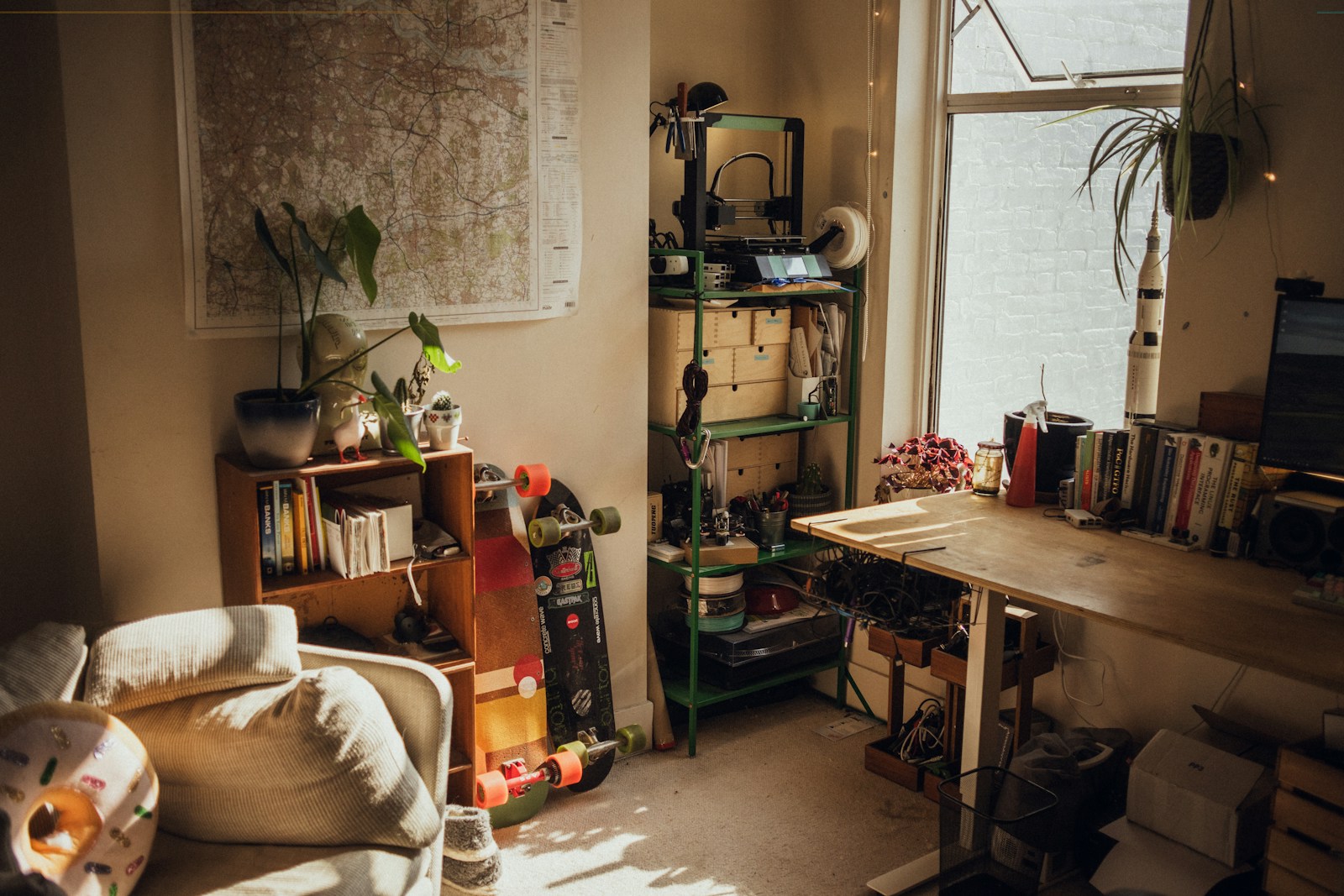
As many people strive for a sense of order in their lives, the reality of a chaotic home can often be overlooked. This affects families, individuals, and even pets, creating an environment that can lead to stress, anxiety, and dysfunction. Recognizing the signs of home chaos is crucial for improving your living space, mental well-being, and overall quality of life.
1. Clutter Has Taken Over
One of the most obvious signs of a chaotic home is the presence of clutter. If your living spaces are filled with items that no longer serve a purpose or are simply out of place, it may be time to reassess your environment. Clutter not only makes it difficult to find what you need but can also create a sense of overwhelm that impacts your mood and productivity.
Consider how much time you spend searching for lost items or avoiding certain areas of your home because they are too cluttered. A cluttered space can lead to a cluttered mind, making it essential to tackle the mess before it spirals out of control.
2. Overwhelming Schedules and Deadlines
Another indicator of chaos is an overwhelming schedule filled with back-to-back commitments. If you find yourself constantly rushing from one obligation to another without time to breathe, this may be reflective of a disorganized home life. When your home is chaotic, it often leads to a lack of structure and routine, making it challenging to prioritize tasks effectively.
To combat this, consider implementing a family calendar or a personal planner to manage your time better. Establishing a routine can help you create a sense of normalcy and control, allowing you to balance responsibilities more effectively.
3. Frequent Arguments and Tension
In homes where chaos reigns, interpersonal conflicts can become more frequent. A disorganized environment can contribute to stress, making it easier for tensions to rise among family members or roommates. If you notice that small disagreements escalate into larger arguments or that communication is strained, this may be a sign that your living space is affecting your relationships.
Addressing the underlying chaos can help ease tensions. Open communication about household responsibilities and expectations can go a long way in fostering a more harmonious environment.
4. Inconsistent Cleaning Routines
If cleaning feels like a daunting task that is often neglected, your home may be more chaotic than you realize. An inconsistent cleaning routine can lead to dirt and grime accumulating, further contributing to a sense of disorder. When basic cleaning tasks become overwhelming, it can be indicative of a deeper issue related to organization and maintenance.
Setting a regular cleaning schedule can create a more manageable approach to household chores. Dividing tasks into smaller, more achievable goals can help maintain a clean and organized space without the stress of a major overhaul.
5. Difficulty Relaxing at Home
Your home should be a sanctuary where you can unwind and recharge. If you find it hard to relax due to distractions or disorder, this may be a sign of chaos in your living space. Whether it’s a pile of laundry waiting to be folded or an overflowing sink, these reminders of unfinished tasks can prevent you from enjoying your downtime.
Creating designated relaxation spaces within your home can help foster a sense of calm. Consider decluttering and personalizing areas meant for relaxation, such as a cozy reading nook or a peaceful meditation space, to reclaim your home as a place of rest.
6. Neglecting Self-Care and Personal Space
Finally, a chaotic home often leads to neglecting personal self-care and space. When disorder takes over, it may feel like there’s no time or energy left for activities that promote well-being. This could manifest in less time spent on hobbies, exercise, or simply taking care of yourself.
Reassessing your home environment can help you create space for self-care. Designate areas for personal interests and activities, ensuring you have a sanctuary for focusing on your well-being amidst the chaos. Making time for self-care not only benefits you but can also improve the overall atmosphere in your home.
Conclusion
Recognizing the signs of chaos in your home is the first step toward creating a more organized and peaceful environment. By addressing clutter, managing schedules, easing interpersonal tensions, establishing cleaning routines, and prioritizing self-care, you can transform your living space into a sanctuary. A harmonious home contributes to better mental health and overall happiness, making it worthwhile to take action against chaos.

As a mom of three busy boys, I know how chaotic life can get — but I’ve learned that it’s possible to create a beautiful, cozy home even with kids running around. That’s why I started Cultivated Comfort — to share practical tips, simple systems, and a little encouragement for parents like me who want to make their home feel warm, inviting, and effortlessly stylish. Whether it’s managing toy chaos, streamlining everyday routines, or finding little moments of calm, I’m here to help you simplify your space and create a sense of comfort.
But home is just part of the story. I’m also passionate about seeing the world and creating beautiful meals to share with the people I love. Through Cultivated Comfort, I share my journey of balancing motherhood with building a home that feels rich and peaceful — and finding joy in exploring new places and flavors along the way.