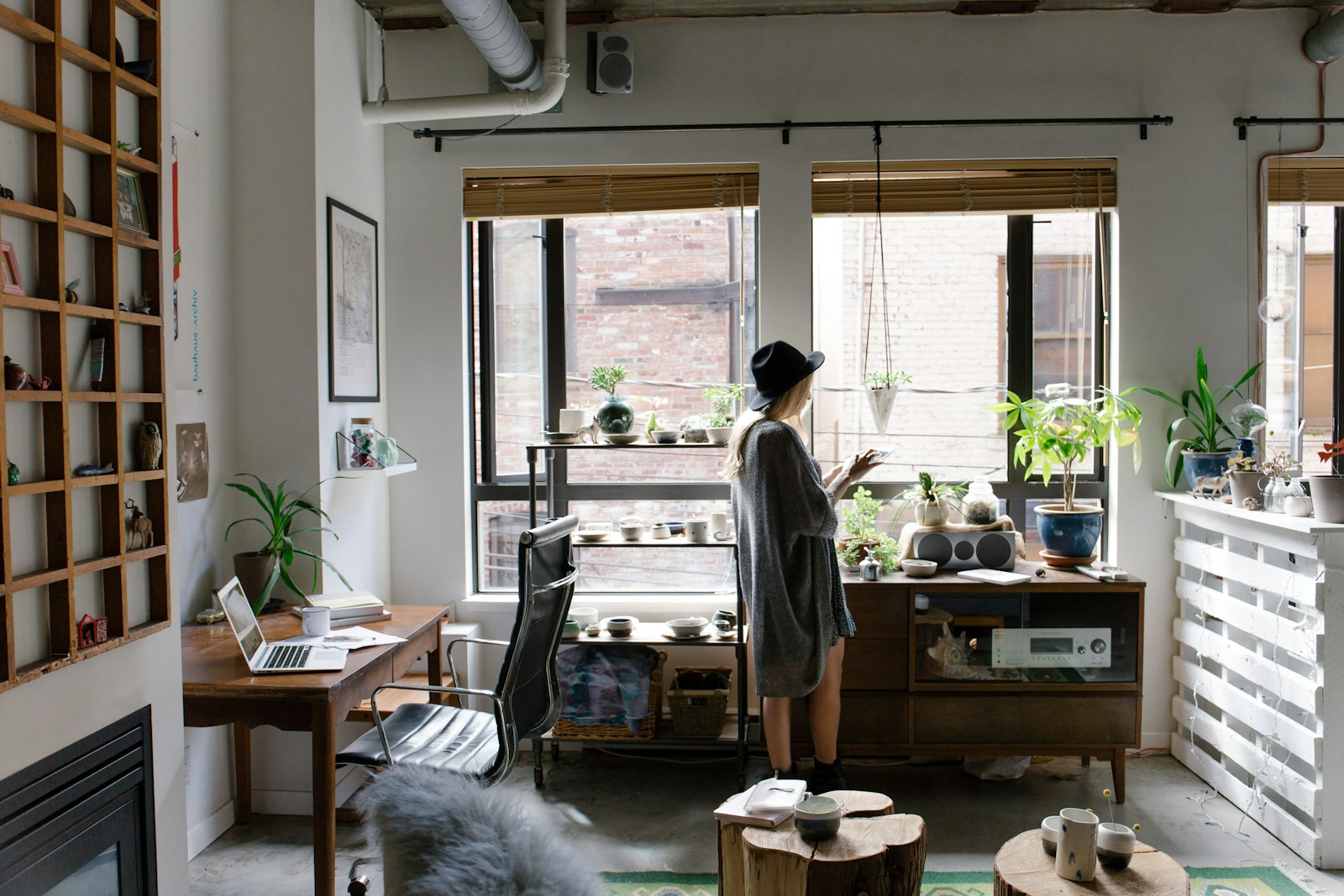
Understanding the significance of personal boundaries is essential for maintaining healthy relationships, and your home choices can often reflect how well you manage these boundaries. From the way you decorate to the areas you choose to prioritize, certain decisions can indicate a strong sense of self and an ability to assert limits. This article explores seven home choices that suggest you have a firm grasp on your boundaries, helping you create a living environment that promotes well-being and respect.
1. Designated Personal Spaces
One of the most telling signs of strong boundaries is the presence of designated personal spaces within your home. Whether it’s a home office, a reading nook, or a craft room, having a space that is exclusively yours signals that you value your time and need a retreat from the demands of daily life. This separation allows for focused work or relaxation, reinforcing the idea that you prioritize your mental health and personal interests.
2. Thoughtful Guest Policies
How you manage guests in your home can reveal much about your boundary-setting skills. If you have established clear policies about when and how guests are welcome, it indicates that you understand the importance of maintaining personal space. For instance, setting limits on overnight guests or specific visiting hours can help ensure that you have the downtime you need, promoting a healthier living environment for everyone involved.
3. Minimalist Decor
Adopting a minimalist approach to home decor can also reflect strong boundaries. By opting for fewer possessions and a decluttered space, you are actively choosing to create an environment that feels calm and controlled. This choice often signifies that you are intentional about what you allow into your life, both physically and emotionally, and prefer to keep distractions at bay.
4. Intentional Color Choices
The colors you choose for your walls, furniture, and accessories can influence the atmosphere of your home and reveal your emotional boundaries. For example, opting for calming colors like blues and greens may indicate a desire for a tranquil space, while bold colors like red or orange might reflect a more energetic vibe. Understanding how color affects mood allows you to create an environment that aligns with your emotional needs and personal boundaries.
5. Clear Communal Areas
Strong boundaries are often reflected in how communal areas are organized and utilized. If you have clearly defined spaces for social interaction, such as a living room designated for hosting friends or a kitchen for family gatherings, it indicates an understanding of when to engage and when to retreat. This kind of layout promotes healthy interactions while ensuring that you still have areas where you can be alone, reinforcing the importance of personal time.
6. Privacy Considerations
Privacy features in your home, such as window coverings or strategically placed landscaping, are a strong indicator of boundary awareness. Choosing to maintain a level of privacy from neighbors and passersby shows that you value your personal space and comfort. Whether it’s through curtains, blinds, or outdoor plants, these choices help create a sanctuary where you can relax without feeling exposed.
7. Declining Unwanted Items
Your approach to possessions can also reflect your boundary-setting abilities, particularly when it comes to accepting gifts or hand-me-downs. If you find yourself frequently declining items that do not serve a purpose in your home or align with your personal style, this decision showcases your ability to assert limits. By curating what enters your space, you maintain control over your environment, promoting a sense of well-being and clarity.
Conclusion
Making conscious choices about your living space is an essential aspect of establishing and maintaining strong boundaries. From creating personal areas to asserting guest policies, each decision plays a role in how you navigate relationships and prioritize self-care. By recognizing these home choices, individuals can better understand their boundary-setting skills, ultimately leading to a more balanced and fulfilling life.

As a mom of three busy boys, I know how chaotic life can get — but I’ve learned that it’s possible to create a beautiful, cozy home even with kids running around. That’s why I started Cultivated Comfort — to share practical tips, simple systems, and a little encouragement for parents like me who want to make their home feel warm, inviting, and effortlessly stylish. Whether it’s managing toy chaos, streamlining everyday routines, or finding little moments of calm, I’m here to help you simplify your space and create a sense of comfort.
But home is just part of the story. I’m also passionate about seeing the world and creating beautiful meals to share with the people I love. Through Cultivated Comfort, I share my journey of balancing motherhood with building a home that feels rich and peaceful — and finding joy in exploring new places and flavors along the way.