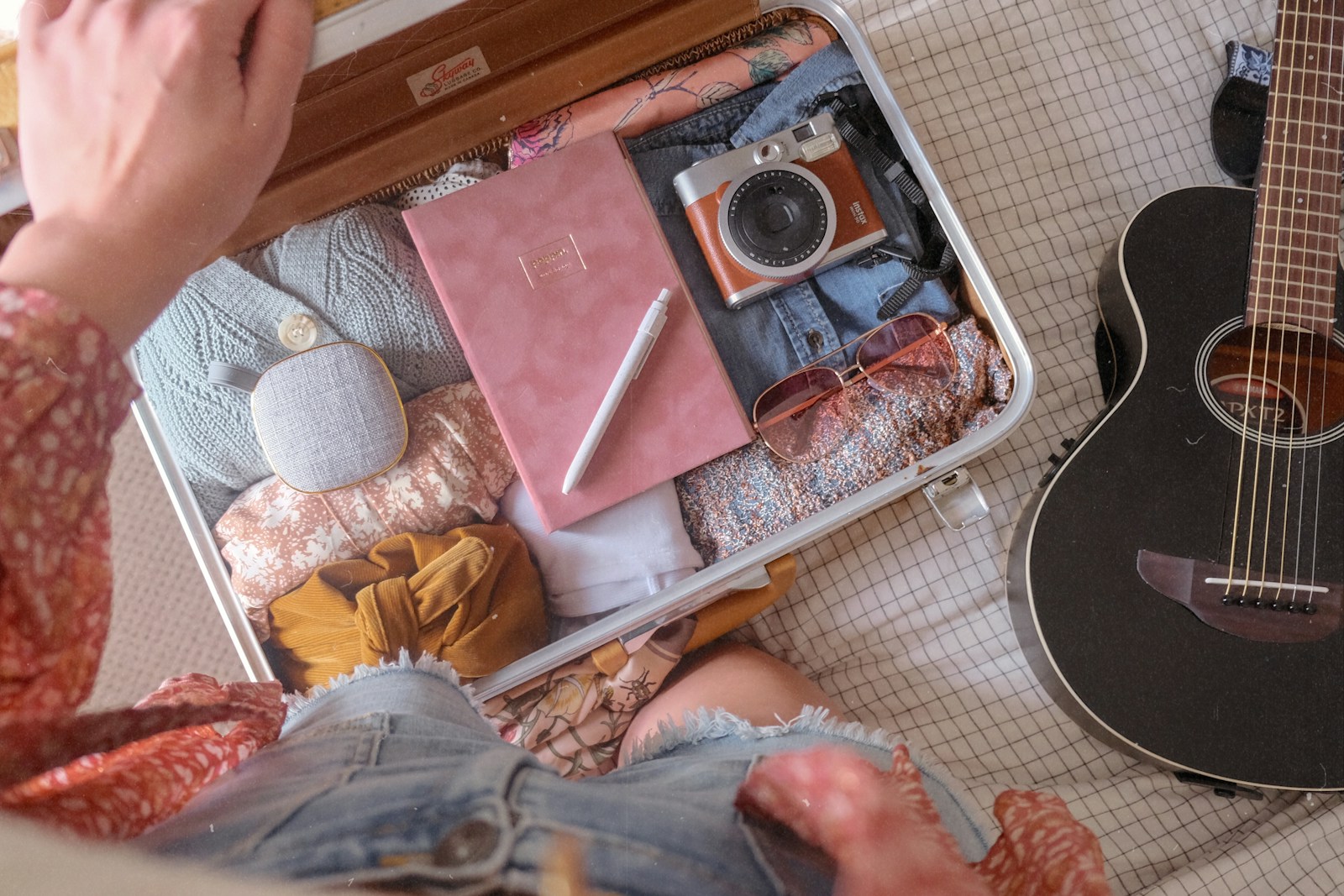
Psychologists have discovered that the way individuals pack their belongings can be a mirror reflecting their emotional states, offering insights into their mental well-being and personal circumstances. This revelation matters not only for mental health professionals seeking to understand their clients better but also for individuals who may find the act of packing—whether for a move, a vacation, or a temporary stay—an opportunity for self-reflection. Understanding these packing choices can help people identify emotional triggers and manage their mental health more effectively.
1. The Overpacker: Anxiety and Control Issues
Individuals who tend to overpack often struggle with anxiety and a need for control. This behavior indicates a desire to prepare for every possible scenario, stemming from fears of the unknown. Overpackers may carry items that they believe will provide comfort or a sense of safety, such as favorite books, extra clothing, or even sentimental items that represent home. This excessive packing can reveal a deeper emotional struggle, suggesting that the individual may be feeling overwhelmed and unprepared for the journey ahead.
2. The Minimalist Packer: Confidence and Simplicity
On the flip side, minimalists tend to pack only the essentials, showcasing a sense of confidence and simplicity in their lives. This packing style often reflects an individual who feels secure about their choices and is comfortable with the idea of embracing change. Minimalist packers typically focus on the experiences they will encounter rather than the material items they might need, indicating a positive emotional state and a willingness to adapt to new environments. Their packing choices suggest a clarity of thought and a prioritization of experiences over possessions.
3. The Chaotic Packer: Stress and Disorganization
For those who pack haphazardly, throwing items into bags without a clear system, the behavior often signifies high levels of stress and disorganization in their lives. This chaotic packing style can be indicative of a person who feels overwhelmed by their circumstances, perhaps facing deadlines or life changes that feel unmanageable. Such individuals may be grappling with emotional turmoil, making it difficult for them to focus on the task at hand. This packing choice serves as a reminder of the importance of mental organization and the potential need for stress-relief strategies.
4. The Sentimental Packer: Attachment and Nostalgia
People who pack items with significant sentimental value often exhibit strong attachment styles and a deep emotional connection to their past. This may include childhood toys, letters, or photographs that serve as reminders of important moments in their lives. While packing these cherished items can provide comfort, it may also indicate an inability to let go of the past. Such packers may be navigating feelings of nostalgia or longing, suggesting a need to process their emotions more thoroughly. Recognizing this tendency can help individuals work through their attachment issues and find healthier ways to cope with change.
5. The Purposeful Packer: Goal-Oriented and Future-Focused
Lastly, individuals who approach packing with a clear plan and purpose often display a goal-oriented mindset and a hopeful outlook on the future. These packers prioritize functionality and organization, demonstrating a proactive approach to their life transitions. Their packing choices tend to reflect a balanced emotional state, as they are not only prepared for the upcoming journey but also excited about the possibilities that lie ahead. This positive approach can foster resilience and adaptability, essential traits for navigating life’s challenges.
Understanding and Utilizing Packing Choices
Recognizing the emotional cues behind packing choices can be beneficial for personal growth and self-awareness. Individuals can take a moment to reflect on their packing habits and what they might reveal about their current emotional state. This awareness can serve as a catalyst for addressing underlying issues, whether through professional help, self-reflection, or simply adjusting one’s packing strategy in future endeavors.
Conclusion: Packing as a Reflection of Inner Life
Ultimately, packing transcends the physical act of organizing belongings; it serves as a window into our emotional landscapes. Whether one identifies as an overpacker, minimalist, chaotic, sentimental, or purposeful packer, these choices provide valuable insights into our mental and emotional well-being. As we navigate various life transitions, understanding the psychological implications of our packing styles can empower us to approach these changes with greater awareness and intentionality, leading to healthier emotional outcomes.

As a mom of three busy boys, I know how chaotic life can get — but I’ve learned that it’s possible to create a beautiful, cozy home even with kids running around. That’s why I started Cultivated Comfort — to share practical tips, simple systems, and a little encouragement for parents like me who want to make their home feel warm, inviting, and effortlessly stylish. Whether it’s managing toy chaos, streamlining everyday routines, or finding little moments of calm, I’m here to help you simplify your space and create a sense of comfort.
But home is just part of the story. I’m also passionate about seeing the world and creating beautiful meals to share with the people I love. Through Cultivated Comfort, I share my journey of balancing motherhood with building a home that feels rich and peaceful — and finding joy in exploring new places and flavors along the way.