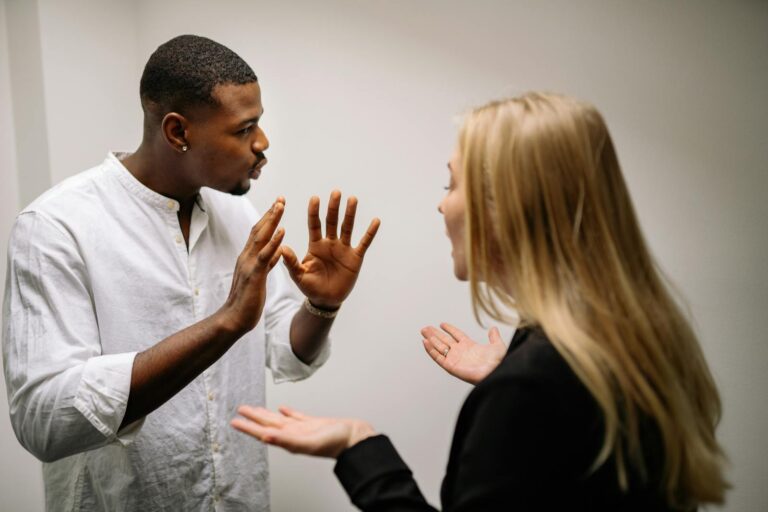
Relationships thrive on connection, but when one partner seems more invested in their daily routine than in the partnership itself, it may signal a deeper issue. Understanding the signs can help individuals identify whether their partner’s affections are rooted in comfort rather than genuine emotional engagement. Recognizing these patterns is essential for maintaining a healthy relationship and ensuring both individuals feel valued and connected.
Sign 1: Routine Takes Precedence Over Quality Time
One of the first indicators that your partner may be more attached to their routine than to you is their tendency to prioritize scheduled activities over spontaneous quality time. If your partner frequently cancels plans or seems uninterested in spending time together unless it’s part of their established routine, it might indicate a lack of emotional investment. Relationships require flexibility and a willingness to adapt, and an inflexible partner may be more attached to their comfort zone than to you.
Sign 2: Conversations Feel One-Sided
Effective communication is foundational for any strong relationship. If you consistently find that conversations revolve around your partner’s day-to-day experiences with little interest in your thoughts or feelings, this may be a sign of emotional detachment. A partner who genuinely cares should actively engage in discussions, showing interest in your life and how you feel about various topics. If their responses are mostly perfunctory or lack depth, it may be time to reassess the emotional dynamics at play.
Sign 3: Limited Emotional Support During Difficult Times
When life presents challenges, a supportive partner should be there to provide comfort and understanding. If your partner tends to withdraw or seems preoccupied during your times of need, this can indicate a stronger attachment to their routine than to you. Emotional support is an essential aspect of a healthy relationship; if your partner is unable or unwilling to provide this during critical moments, it raises questions about their commitment to the partnership.
Sign 4: They Avoid Discussions About the Future
A significant sign of emotional detachment is a reluctance to discuss future plans or goals as a couple. If your partner seems uncomfortable or dismissive when the conversation turns to future aspirations, it may suggest that they are more invested in their current routine than in the relationship’s growth. Healthy relationships often involve planning together, whether it’s vacations, living arrangements, or long-term goals; an avoidance of these discussions can be a red flag.
Sign 5: They Show Indifference to Your Interests
In a thriving relationship, partners typically share and support each other’s interests and hobbies. If your partner consistently shows indifference toward activities that matter to you or fails to participate in things you enjoy, it may suggest that they prioritize their routine over nurturing the relationship. Mutual support and shared experiences are crucial for relationship enrichment, and a lack of interest can lead to feelings of isolation and resentment.
Sign 6: Physical Affection Is Routine-Based
Physical affection is often a barometer of emotional connection in relationships. If your partner’s displays of affection are limited to specific routines—such as a quick kiss goodbye in the morning or a hug at bedtime—it may indicate an attachment to the routine rather than to you as a partner. Genuine emotional intimacy encompasses spontaneity and a desire to connect on deeper levels, and if physical affection feels mechanical or obligatory, it could signal underlying issues.
Taking Action: What to Do Next
If you recognize these signs in your relationship, it’s crucial to take proactive steps to address the situation. Open and honest communication is key; express your feelings to your partner and discuss your observations without placing blame. Encourage a dialogue about each other’s needs and desires, focusing on how both partners can contribute to a more fulfilling connection.
Consider seeking couples counseling if necessary. A trained professional can provide insights and tools to help navigate the complexities of relationship dynamics. Remember, both partners deserve to feel heard, valued, and emotionally connected, and sometimes, external support can pave the way for a healthier partnership.
Conclusion
Recognizing the signs that your partner may be more attached to their routine than to you can be challenging but essential for the health of your relationship. Prioritizing communication, emotional support, and shared experiences is vital for fostering a strong bond. Taking the time to address these concerns can lead to a more fulfilling relationship where both partners feel valued and connected.

As a mom of three busy boys, I know how chaotic life can get — but I’ve learned that it’s possible to create a beautiful, cozy home even with kids running around. That’s why I started Cultivated Comfort — to share practical tips, simple systems, and a little encouragement for parents like me who want to make their home feel warm, inviting, and effortlessly stylish. Whether it’s managing toy chaos, streamlining everyday routines, or finding little moments of calm, I’m here to help you simplify your space and create a sense of comfort.
But home is just part of the story. I’m also passionate about seeing the world and creating beautiful meals to share with the people I love. Through Cultivated Comfort, I share my journey of balancing motherhood with building a home that feels rich and peaceful — and finding joy in exploring new places and flavors along the way.