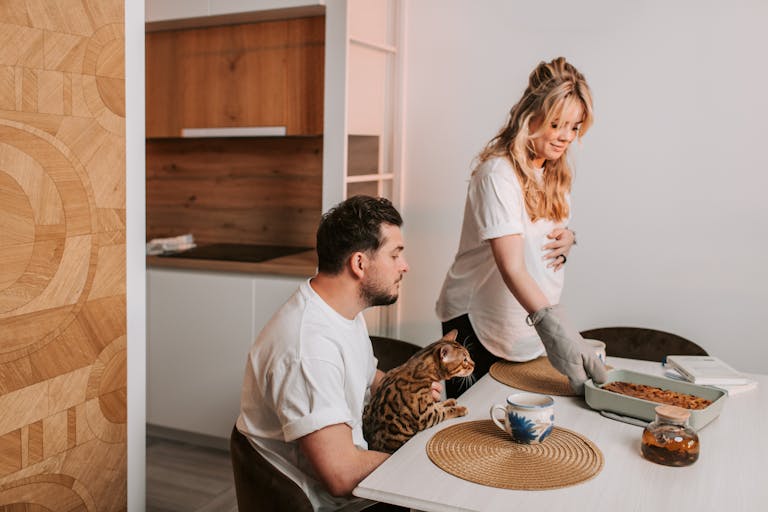
Many people in their twenties wonder what skills they should have nailed before hitting 30. Across social platforms, folks are sharing practical life skills everyone should learn to make adulting less stressful. From basic car maintenance to managing personal finances, these everyday skills are essential for independence and confidence.
Some of the most recommended skills include knowing how to change a flat tire, perform the Heimlich maneuver, handle personal finance, and cook simple meals. Beyond the basics, learning to communicate clearly, set boundaries, and effectively advocate for oneself also plays a big role in building a solid foundation for life.

These skills aren’t just about survival — they’re about making life smoother and preparing for unexpected challenges. Knowing what to master now can save headaches later, making the transition into the next chapter a lot easier.
Essential Life Skills to Master Before 30
Mastering a few crucial skills early on can help someone navigate adulthood with more confidence. These include knowing how to communicate clearly, handle money wisely, and solve everyday problems effectively.
Communication and Setting Boundaries
Being able to communicate well isn’t just about talking—it’s about listening and expressing thoughts clearly without causing confusion. Learning to accept feedback without taking it personally can help someone grow both personally and professionally.
Setting boundaries is equally important. Saying “no” respectfully protects one’s time and energy. It prevents overcommitment and reduces stress. Knowing when and how to say no is a vital life skill that leads to better productivity and healthier relationships.
Non-verbal cues matter, too. Understanding body language helps read situations better and improves how someone comes across. From maintaining eye contact to avoiding fidgeting, these subtle skills can make conversations smoother and more effective.
Financial Literacy Basics
Budgeting is the foundation of financial control, and it’s often overlooked. People should know how to track their income and expenses, ensuring more money comes in than goes out. Building an emergency fund with three to six months of expenses is critical for unexpected costs.
Understanding how to balance bills, manage credit cards, and plan for taxes are key steps before turning 30. It’s also helpful to anticipate future big expenses like buying a car, renting an apartment, or continuing education.
Simple habits like sticking to a monthly budget and avoiding impulsive purchases help maintain financial stability. These basics reduce anxiety about money and build a secure foundation for adulthood.
Problem-Solving and Critical Thinking
Everyday life throws surprises, and tackling them requires sharp problem-solving skills. Learning to break down complex issues and find practical solutions can prevent situations from becoming overwhelming.
Critical thinking involves questioning assumptions instead of accepting things at face value. This helps in personal decisions and professional scenarios, making someone a stronger, more independent adult.
Approaching problems calmly and evaluating options before acting saves time and stress. Being proactive, rather than reactive, is a useful life lesson to carry into the 30s and beyond.
Building Independence at Home
Mastering practical skills at home helps people save money and feel more confident handling everyday challenges. Knowing how to fix common issues, prepare meals, and keep a space organized makes a big difference when living independently.
Home Repair Skills Everyone Needs
Basic home repair skills are essential for avoiding costly calls to professionals. They include tasks like unclogging drains, patching small holes in walls, and resetting circuit breakers. Having a simple toolkit with a screwdriver, hammer, wrench, and pliers makes these jobs easier.
Learning to tighten loose fixtures and replace broken switches also saves time and money. These skills not only prevent small problems from becoming expensive repairs but build confidence in managing the home. Tackling minor issues promptly helps maintain a functional living space without hassle.
Cooking Essentials for Everyday Life
Cooking simple, nutritious meals is a major money-saver compared to eating out or ordering takeout. It starts with knowing a handful of versatile recipes like pasta, stir-fries, or basic roasted vegetables.
Understanding recipe basics and kitchen safety, along with meal planning and grocery lists, helps avoid food waste and sticks to a budget. Cooking at home also allows customization of meals based on available ingredients, dietary needs, and taste preferences. Developing these skills turns daily nourishment into a manageable routine.
Organizing and Cleaning Your Space
Keeping a home clean and organized supports both physical health and mental well-being. This means creating habits like regular surface cleaning, bathroom upkeep, and managing laundry efficiently.
Setting up cleaning rotations prevents build-up of grime and makes chores less daunting. Organization involves decluttering, designating storage spaces, and using simple tools like labeled bins or shelves. A tidy environment reduces stress and saves time searching for items, giving a sense of control over the living area.
Money Management and Planning
Managing money well means knowing how to track income, cut unnecessary costs, and keep credit in check. It also involves building good habits for the future and protecting against unexpected expenses. Smart habits like these make financial life less stressful and more predictable.
Budgeting Smartly
Budgeting is more than just listing expenses—it’s about making sure money works for what matters most. They should start by listing all monthly income sources and fixed expenses like rent and utilities. Then, track variable costs such as food, transportation, and entertainment.
Using apps like Mint or YNAB can simplify this process by categorizing spending and showing where money goes each month. The goal is to spend less than what comes in and allocate funds for savings or debt repayment. Regularly reviewing and adjusting the budget helps keep it realistic as life changes.
Saving Money Strategies
Saving isn’t just about putting some money away; it’s about building a habit and making it automatic. Setting up a separate savings account, ideally for emergencies, helps keep funds safe and accessible. The common advice is to save at least three to six months’ worth of living expenses.
Automatic transfers from checking to savings make saving easier and prevent the excuse of “forgetting.” Small changes like cooking at home or cutting subscription services can free up extra cash. Over time, even small, consistent deposits add up and provide a financial cushion.
Avoiding Debt and Building Credit
Not all debt is bad, but it needs to be managed carefully. Paying off high-interest debt first, like credit cards, reduces financial pressure. Methods like the debt snowball (paying off smallest balances first) or avalanche (tackling highest interest rates first) can help structure repayments.
Building credit comes from using credit responsibly—paying bills on time, keeping balances low, and not maxing out cards. Good credit unlocks better loan rates and opportunities. Avoiding impulsive spending and tracking debt regularly keeps finances under control and credit healthy.
Personal Growth and Life Lessons
Mastering personal growth before turning 30 means embracing how to learn from mistakes, developing solid relationships, and managing time effectively. These skills help build a strong foundation for handling challenges and opportunities as adulthood unfolds.
Learning from Mistakes and Feedback
Everyone slips up, but the key is using those moments to grow. Instead of dwelling on failure, he or she should analyze what went wrong and adjust accordingly. Feedback from others can feel tough, but it’s a tool for improvement if taken with an open mind.
Developing the habit of reflecting on experiences encourages resilience and sharper decision-making. It’s less about perfection and more about progress. For example, a misstep at work can become a valuable lesson if one identifies the cause and makes changes.
Accepting constructive criticism, learning new skills, and staying curious about personal development all contribute to becoming a more adaptable adult by the time they turn 30.
Building Healthy Relationships
Strong relationships require honest communication, empathy, and setting boundaries. He or she needs to understand how to express needs clearly and listen actively. This skill helps avoid misunderstandings and builds trust.
Learning to say “no” respectfully is important for maintaining mental health and respect. Relationships should include mutual support—not just one person giving all the time.
By the late 20s, developing these habits prevents toxic dynamics and encourages meaningful connections, whether with friends, family, or coworkers. It also aids in building a network that supports career and personal growth.
Time Management for Young Adults
Managing time well is crucial for balancing work, social life, and self-care. This means prioritizing tasks, setting realistic goals, and avoiding procrastination. Using tools like calendars, to-do lists, or apps can help keep focus.
He or she should learn to break big projects into smaller steps to avoid overwhelm. It’s also key to recognize when to say no to things that don’t align with priorities or values.
By the time someone turns 30, developing these habits leads to less stress and more productivity, making life feel more manageable and fulfilling.

As a mom of three busy boys, I know how chaotic life can get — but I’ve learned that it’s possible to create a beautiful, cozy home even with kids running around. That’s why I started Cultivated Comfort — to share practical tips, simple systems, and a little encouragement for parents like me who want to make their home feel warm, inviting, and effortlessly stylish. Whether it’s managing toy chaos, streamlining everyday routines, or finding little moments of calm, I’m here to help you simplify your space and create a sense of comfort.
But home is just part of the story. I’m also passionate about seeing the world and creating beautiful meals to share with the people I love. Through Cultivated Comfort, I share my journey of balancing motherhood with building a home that feels rich and peaceful — and finding joy in exploring new places and flavors along the way.