As a parent, it can be tough to navigate the evolving dynamics of your relationship with your adult children. If you find yourself in a situation where your daughter is using your home as a storage unit, with piles of her belongings taking over your space—and she never seems to come by to pick anything up—you’re not alone in feeling frustrated. This can lead to feelings of resentment, helplessness, and confusion about how to assert your needs without causing conflict.
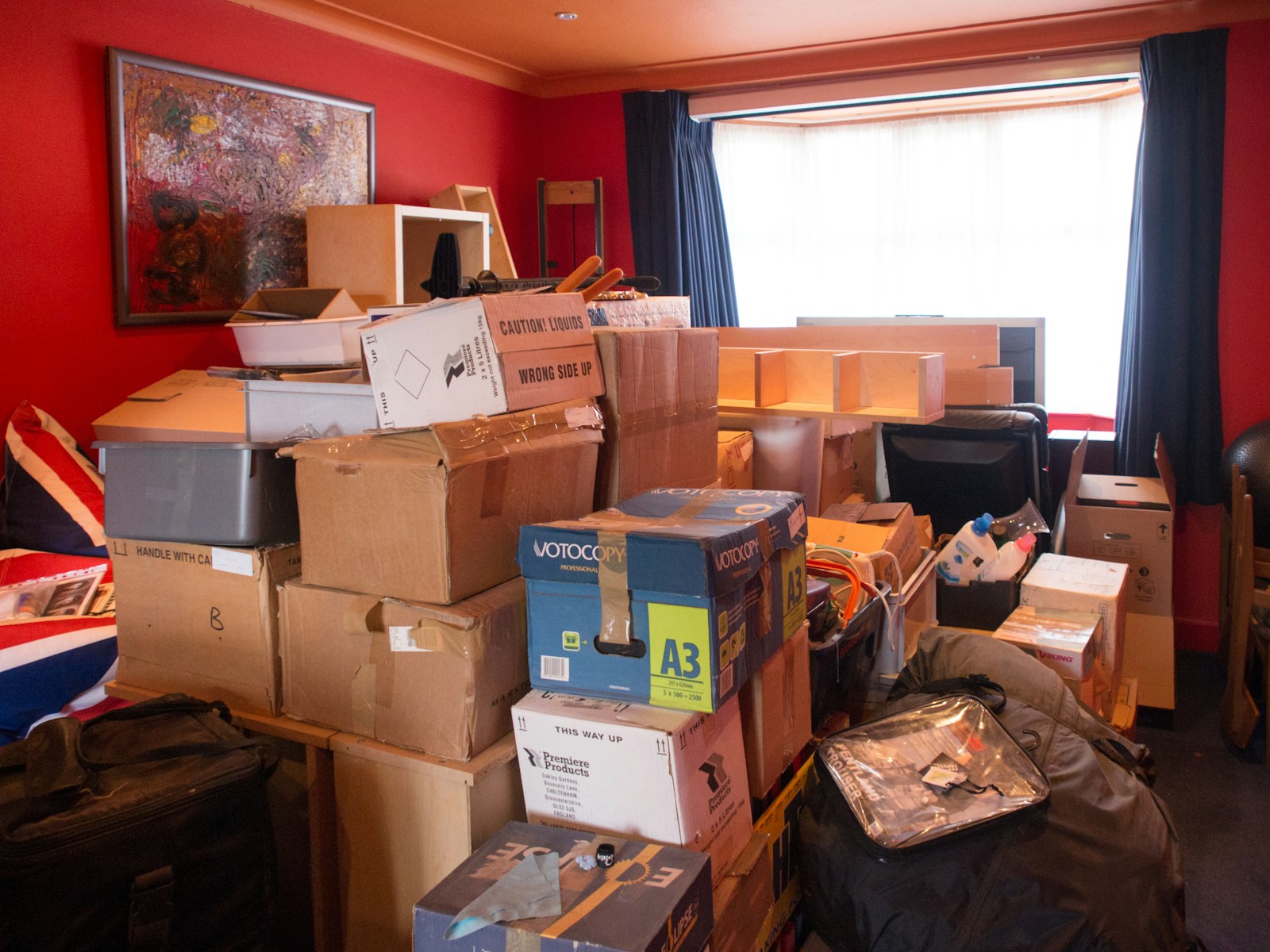
You’re not wrong to feel frustrated. Your home should be your sanctuary, a place where you feel comfortable and at ease. The presence of clutter that doesn’t belong to you can weigh heavily on your peace of mind. Establishing boundaries and fostering respectful communication is essential to resolving this issue, both for your emotional well-being and the health of your relationship with your daughter.
Start With a Calm, Direct Conversation
Before taking any drastic measures, have an open and honest conversation with your daughter. Choose a time when neither of you is rushed or distracted. Express your feelings about the situation without assigning blame. You might say something like, “I’ve noticed your things have been piling up, and I’m feeling overwhelmed.”
This approach works because it opens the door for dialogue rather than defensiveness. By sharing your feelings, you invite her to understand your perspective. Remember, you are advocating for your space and your needs, and that is entirely valid.
Set Clear Boundaries and Expectations
Once you’ve had the conversation, it’s essential to establish clear boundaries. Decide how much time you can realistically allow for her to retrieve her belongings, and communicate that clearly. For example, you might say, “I’d love for you to take your things by the end of the month.”
Clearly defined timelines help both of you understand what’s expected and can minimize future misunderstandings. Setting boundaries is an act of self-care, and doing so empowers you to reclaim your space.
Involve Your Partner Without Blaming Them
If you have a partner, consider involving them in the conversation. However, approach this delicately to avoid placing blame on anyone. You might say, “Both [Partner’s Name] and I feel that it’s important for us to have our space back, and we’d appreciate your help in making that happen.”
Involving your partner reinforces that this is a family matter rather than a personal issue. It also shows that you are united in your desire for a more peaceful living environment, which can help your daughter feel more supported than attacked.
Offer Reasonable Alternatives
If your daughter is unable to pick up her things immediately, suggest alternatives that respect both your needs and hers. Perhaps you can help her find a temporary storage unit or even offer to assist her in organizing her belongings so they can be more easily managed.
Offering alternatives works because it shows that you care about her situation while still standing firm on your boundaries. You’re not just asking her to take her things away; you’re providing solutions that demonstrate your willingness to help.
Protect Your Home and Privacy Without Escalating Conflict
As a final step, take proactive measures to reclaim your space. If your daughter continues to neglect her items even after your conversations, you may need to consider storing her belongings in a different area of your home, perhaps in a garage or basement, while still giving her a deadline to retrieve them.
This method allows you to protect your home and privacy without escalating conflict. By moving her belongings, you’re taking control of your space while still leaving the door open for her to reclaim her items. Trust in your ability to make choices that prioritize your well-being.
Encourage Open Communication Moving Forward
As you navigate this situation, encourage ongoing communication. Make it clear that you want to maintain a healthy relationship and that you’re open to discussing any future concerns or needs she may have. Setting a precedent for open dialogue will help both of you feel more comfortable discussing boundaries in the future.
This approach empowers both of you to communicate more effectively, fostering a supportive relationship that respects each other’s needs. Remember, you deserve to feel comfortable in your home, and your daughter can learn from this experience as well.
Closing
Remember, the situation can improve with clear communication and firm boundaries. It may take some time, but with patience and understanding, you can reclaim your space while nurturing your relationship with your daughter.
As a final piece of advice, trust in your ability to advocate for yourself. You have a right to enjoy your home without the burden of clutter that doesn’t belong to you. By taking confident steps forward, you’ll not only reclaim your space but also set a positive example for your daughter on the importance of respect and boundaries.

As a mom of three busy boys, I know how chaotic life can get — but I’ve learned that it’s possible to create a beautiful, cozy home even with kids running around. That’s why I started Cultivated Comfort — to share practical tips, simple systems, and a little encouragement for parents like me who want to make their home feel warm, inviting, and effortlessly stylish. Whether it’s managing toy chaos, streamlining everyday routines, or finding little moments of calm, I’m here to help you simplify your space and create a sense of comfort.
But home is just part of the story. I’m also passionate about seeing the world and creating beautiful meals to share with the people I love. Through Cultivated Comfort, I share my journey of balancing motherhood with building a home that feels rich and peaceful — and finding joy in exploring new places and flavors along the way.