

When you decide to donate items, you probably want to help others and clear out your space. However, not everything you no longer need is suitable for donation. Some things can actually cause more harm than good when they end up at thrift stores or charity centers.
Knowing what not to donate can save you time and prevent frustration for both you and the people receiving your items. This guide will help you avoid common mistakes by highlighting things that are better off being trashed, recycled, or sold instead of donated.
Expired canned foods
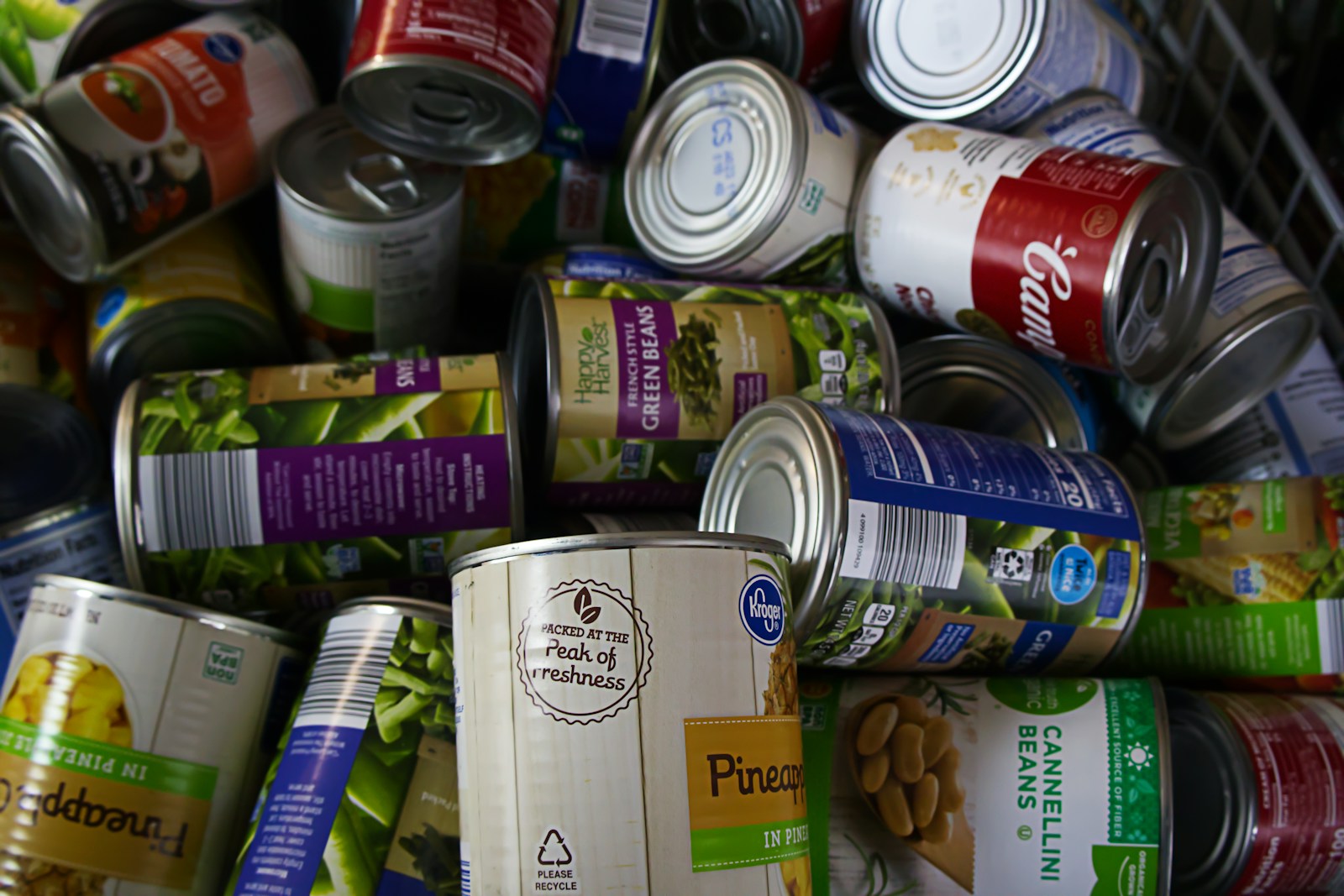
You might think donating expired canned foods is a good way to avoid waste, but most food banks won’t accept them. Even if the cans look fine, many organizations have strict rules against any past-date items.
Some cans can stay safe briefly after their date, but you risk giving unhealthy food. Swollen, rusty, or dented cans are especially no-go. If your expired cans are sealed and sound, check with local charities first before donating. Otherwise, it’s best to toss them properly.
Used car seats
You should never donate used car seats. Even if they look fine, their safety can be compromised by hidden damage or expired materials.
Old car seats can be dangerous for the next child who uses them. Instead, check if the manufacturer offers a trade-in program for discounts on new seats.
If the seat is expired or damaged, recycling programs or proper disposal are better options. Dismantle the seat before throwing it away to prevent misuse.
Broken electronics
You might think donating old gadgets is helpful, but broken electronics can cause more problems than good. Thrift stores usually aren’t set up to fix or recycle these items.
If your device doesn’t work or has serious damage, it’s better to find a dedicated electronics recycling program. This way, you avoid cluttering donation centers with junk that no one can use.
Remember, passing on broken electronics just creates extra work and safety risks. Handle them responsibly by recycling instead.
Incomplete board games
Donating board games sounds like a great idea until you realize some pieces are missing. If your game isn’t complete, most charities won’t accept it because they can’t sell or fix it.
You’d be passing a problem on instead of a gift. Before you donate, double-check that every piece is there and the box is in decent shape. It saves frustration for both you and the people who receive it.
Torn or stained clothing
If your clothes have rips, stains, or holes, don’t donate them. Thrift stores usually can’t sell or give those away because they’re not wearable.
Think about if you’d lend that item to a friend—if the answer is no, it’s best to recycle or repurpose it instead. Donating only good-condition clothes helps make sure your donation actually gets used.
Old mattresses
You might think your old mattress is a good donation, but most thrift stores won’t accept it. Mattresses often carry dust mites, bedbugs, and bacteria, which makes them unhygienic for reuse.
Donating them can spread pests or allergens, so it’s better to find a mattress recycling program or use your local bulk pickup service. This way, you’re disposing of it responsibly without creating extra work for charities.
Used pillows
You might think donating old pillows is helpful, but thrift stores usually can’t accept them. Pillows hold dust mites, allergens, and bacteria, which makes them a hygiene risk.
Even if you wash pillowcases, the inside filling can’t be properly cleaned. Most charities won’t take used pillows because they end up being thrown away anyway.
If you want to get rid of old pillows, consider recycling programs or simply replace them instead of donating.
Cracked dishes or glassware
You might think cracked dishes or glassware can still be useful, but thrift stores won’t want them. They’re a safety hazard and can break further during handling or transport.
Donating these items means they’ll likely get tossed out, which wastes your effort. Instead, recycle or dispose of them properly to avoid adding extra work for donation centers.
Keep only your intact dishes and glassware in good condition for donation. That way, your items have a better chance of being reused or sold.
Expired medications
You should never donate expired medications. They lose their effectiveness over time, and some can even be harmful after the expiration date.
Instead of donating, dispose of them safely. Take your expired meds to a local drug take-back event or pharmacy drop-off.
If a take-back option isn’t available, follow proper disposal steps to avoid harm to others and the environment. Your old meds aren’t helpful—they’re just trash in this case.
Used stuffed animals
You might think donating your old stuffed animals is a kind gesture. But these items often don’t get accepted.
Used stuffed animals can carry dirt, allergens, or even pests. Thrift stores usually can’t clean them thoroughly.
If you want to donate, consider buying new plush toys to give instead. Otherwise, it’s better to recycle or dispose of well-loved stuffed animals responsibly.
Damaged toys missing parts
If a toy is broken or missing pieces, it’s best not to donate it. Thrift stores and charities often can’t fix or replace the missing parts.
Incomplete toys can be frustrating for kids and create extra work for the organization receiving them. Instead, consider recycling or responsibly discarding damaged toys.
If you want to donate toys, make sure they are clean, complete, and in good condition. That way, they have a better chance of being enjoyed by someone else.
Old paint cans
You shouldn’t donate old paint cans, especially if they’re partially full or dried out. Many donation centers don’t accept them because paint can be hazardous and tricky to handle.
Instead, check your local hazardous waste facility for disposal options. Some places also accept paint for recycling or proper treatment.
If you have latex paint, sometimes it can be dried out and thrown away safely, but oil-based paints usually need special care. Always follow your local guidelines for disposal to keep things safe.
More from Cultivated Comfort:
- 7 Vintage Home Items From the ’60s That Are Collectors’ Dream Finds
- 7 Vintage Home Goods That Became Collectors’ Gold
- 7 Fast-Food Chains That Changed for the Worse
- 7 Frozen Dinners That Were Better Back in the Day

As a mom of three busy boys, I know how chaotic life can get — but I’ve learned that it’s possible to create a beautiful, cozy home even with kids running around. That’s why I started Cultivated Comfort — to share practical tips, simple systems, and a little encouragement for parents like me who want to make their home feel warm, inviting, and effortlessly stylish. Whether it’s managing toy chaos, streamlining everyday routines, or finding little moments of calm, I’m here to help you simplify your space and create a sense of comfort.
But home is just part of the story. I’m also passionate about seeing the world and creating beautiful meals to share with the people I love. Through Cultivated Comfort, I share my journey of balancing motherhood with building a home that feels rich and peaceful — and finding joy in exploring new places and flavors along the way.


