

When dealing with vintage lamps, rewiring can often bring them back to life and make them safe for modern use. However, not every old lamp is worth the effort or cost of rewiring. Some vintage lamps come with challenges that might make restoration impractical or even unsafe.
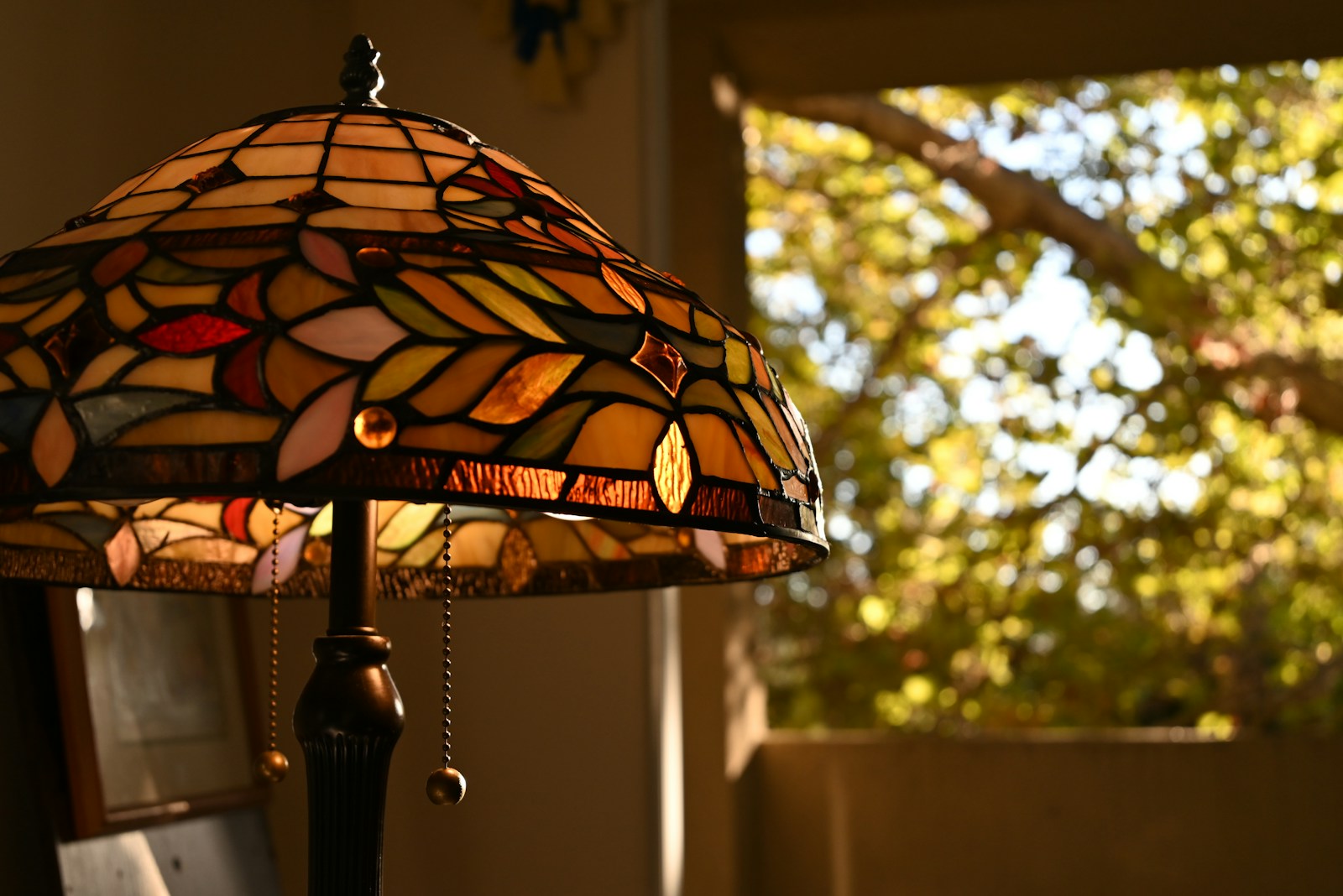
Knowing which lamps aren’t worth rewiring can save you time, money, and potential hazards. This guide will help you spot the ones that may be better left as collectibles or decorative pieces rather than electrical fixtures you rely on every day.
Lamps with severely frayed or brittle wiring beyond repair
If you spot wiring that’s cracked, brittle, or falling apart, it’s usually a lost cause. Trying to patch up seriously damaged cords can be unsafe and often isn’t worth the hassle.
You’ll want to avoid lamps where the wiring is so deteriorated that it can’t hold a proper connection anymore. Even if the lamp looks cool, the risk of electrical problems isn’t worth it.
In these cases, it’s best to skip rewiring and consider lamps with wiring that’s at least intact and pliable.
Antique gas lamps without electrical conversion potential
Some antique gas lamps just aren’t built for rewiring. If the structure is fragile or full of intricate metalwork, trying to add electrical components could cause damage.
You’ll find that many were made before electrical polishing or socket fitting was common. Those lamps often lack the space or design features needed for safe conversion.
If you want to keep the originality, it’s sometimes better to leave these lamps as they are. Sometimes, their true charm is in their old-fashioned gas setup, not electricity.
Early 1900s lamps with porcelain sockets not meeting code
If you come across an early 1900s lamp with porcelain sockets, be cautious. These sockets often don’t meet today’s electrical safety codes.
Porcelain might seem sturdy, but the wiring inside is usually outdated and unsafe. You could risk electrical shocks or even fires if you try to use them as is.
Rewiring might sound like a fix, but these lamps often require complicated upgrades that aren’t worth the hassle. Unless the lamp holds serious value, it’s better to appreciate it as a decor piece only.
Lamps with irreparable or missing key electrical components
If your vintage lamp is missing important parts like sockets or wiring that can’t be found or fixed, rewiring might not be worth it. Sometimes the damage is too extensive, and replacing everything can get costly.
You might also run into lamps with old, brittle wiring that’s unsafe or impossible to repair properly. In these cases, it’s often better to find a similar lamp in better condition instead of struggling with reconstruction.
Vintage lamps with irreparable wood or fabric insulation
If your vintage lamp has wood that’s cracked, warped, or rotten, rewiring is usually not worth it. The damaged wood can’t safely hold new wiring.
The same goes for fabric insulation that’s brittle or crumbling. Old cloth insulation often falls apart and exposes wires, creating a safety hazard.
In these cases, the cost and effort to restore it can easily outweigh the lamp’s value. Sometimes it’s better to keep the lamp as decor or look for a similar one in better condition.
Old lamps with no available compatible replacement parts
Sometimes, you’ll come across an old lamp that’s just too unique. The problem is, finding parts that fit can be nearly impossible. Without compatible replacement sockets or switches, rewiring becomes a hassle.
You might spend more time searching for parts than actually fixing the lamp. In cases like these, it’s often better to leave the wiring as is or consider a different lamp altogether. Trying to force parts usually leads to frustration and unsafe results.
Heavy-duty industrial vintage lamps designed for obsolete voltages
If you’ve got a heavy-duty industrial lamp from decades ago, it might run on voltages that aren’t common today. These lamps were built tough, often with thick metal arms and joints, making them durable but harder to retrofit.
Rewiring can be tricky and sometimes not worth the effort if the original design is meant for a different electrical standard. Plus, some lamps have unique safety features like hidden wiring that can be complicated to replicate. It’s usually better to use these as-is or with proper adapters rather than attempting a full rewire.
Non-restorable novelty lamps with integrated fragile materials
If your vintage lamp has parts made from delicate materials like thin glass or brittle plastics, rewiring might not be worth it. These components often don’t survive the repair process.
You risk breaking key pieces, especially if the lamp’s design is intricate or includes glued joints. Some novelty lamps come with fragile decorations that can’t be replaced easily.
In these cases, your best bet is to enjoy the lamp as a display piece rather than attempting rewiring that could cause more damage.
Lamps with thin fragile wiring that can’t hold modern loads
If your lamp has really thin, old wiring, it might not handle today’s electrical demands safely. These fragile wires can overheat or even cause shorts when plugged in with modern bulbs.
Even if the lamp looks great, rewiring can be tricky or not worth the effort if the wiring is too delicate. You’ll want to consider whether the lamp’s frame and parts can handle updated materials before trying to fix it.
Sometimes it’s better to admire the lamp as a display piece and skip rewiring if safety is a concern.
Twist or plug types not supported by current safety standards
If your vintage lamp has a twist-type plug, be cautious. These plugs often lack grounding and don’t meet modern electrical codes. Using them can increase the risk of shocks or shorts.
You might also find lamps with old, two-prong plugs that aren’t compatible with today’s outlets. Rather than rewiring these, it’s often safer to look for lamps designed with up-to-date plug types.
Trying to retrofit outdated plugs can be tricky and sometimes not worth the hassle or cost.
More from Cultivated Comfort:
- 7 Vintage Home Items From the ’60s That Are Collectors’ Dream Finds
- 7 Vintage Home Goods That Became Collectors’ Gold
- 7 Fast-Food Chains That Changed for the Worse
- 7 Frozen Dinners That Were Better Back in the Day

As a mom of three busy boys, I know how chaotic life can get — but I’ve learned that it’s possible to create a beautiful, cozy home even with kids running around. That’s why I started Cultivated Comfort — to share practical tips, simple systems, and a little encouragement for parents like me who want to make their home feel warm, inviting, and effortlessly stylish. Whether it’s managing toy chaos, streamlining everyday routines, or finding little moments of calm, I’m here to help you simplify your space and create a sense of comfort.
But home is just part of the story. I’m also passionate about seeing the world and creating beautiful meals to share with the people I love. Through Cultivated Comfort, I share my journey of balancing motherhood with building a home that feels rich and peaceful — and finding joy in exploring new places and flavors along the way.


