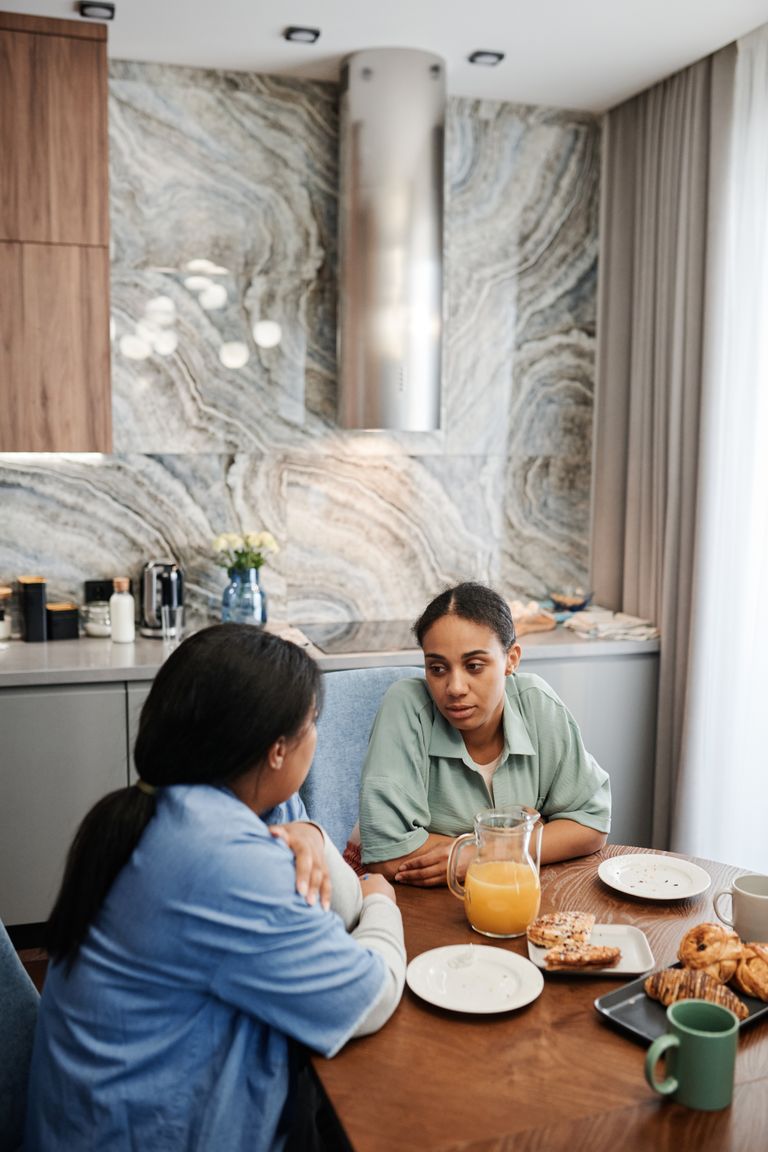
When you’re deeply invested in a relationship, it can be especially painful to feel like you’re not the priority in your partner’s life. You might find yourself wondering if you’re merely a backup plan, waiting on the sidelines while your partner navigates their own uncertainties. This feeling can leave you feeling undervalued and confused, especially when you’ve poured your heart into building a connection that you hope is mutual.
You’re not wrong to feel frustrated or hurt by these signs. It’s natural to crave reassurance and commitment, and recognizing when you’re being treated as a secondary option is crucial for your emotional well-being. Understanding this dynamic can help you establish boundaries that foster respect and open communication, which are essential for a healthy relationship.
Start With a Calm, Direct Conversation
The first step in addressing your concerns is to have an open dialogue with your partner. Approach the conversation calmly and without accusations, focusing on how you feel rather than what they may or may not be doing wrong.
This approach works because it invites honesty and avoids putting your partner on the defensive, which can lead to a more productive discussion. Remember, your feelings matter, and it’s perfectly okay to express them.
Set Clear Boundaries and Expectations
Once you’ve opened up the conversation, it’s essential to establish specific boundaries and expectations regarding your relationship. Discuss what you need to feel secure and valued, whether that involves more time together or clearer commitments.
Setting boundaries is vital because it helps both of you understand what is acceptable in your relationship. This empowers you to stand firm in your needs while fostering a mutual understanding.
Involve Your Partner Without Blaming Them
Instead of pointing fingers, try involving your partner in finding a solution. Ask questions that invite them to share their perspective, such as, “How do you see our relationship evolving?” or “What can we do to ensure we’re both feeling valued?”
This technique is effective because it transforms the conversation from a potential confrontation into a collaborative effort. By including them in the discussion, you’re reinforcing that you value their input and want to work together.
Offer Reasonable Alternatives
If your partner seems to be juggling multiple commitments, suggest reasonable alternatives that could help balance their time. For example, if they’re busy with work or friends, propose specific nights for date nights or quality time together.
Offering alternatives is constructive because it shows you’re willing to compromise while also validating your need for connection. It reassures you that you’re proactive about your relationship and not just waiting for them to prioritize you.
Protect Your Home and Privacy Without Escalating Conflict
If you notice that your partner is often distracted or unavailable due to other commitments, consider how you can protect your emotional space. Ensure that your home remains a sanctuary for you, even if that means limiting access to certain aspects of your life while you navigate this uncertainty.
This strategy works because it allows you to maintain your dignity and peace, which is crucial when you feel sidelined. Remember, it’s okay to prioritize your needs without escalating conflict.
Reassess Your Value in the Relationship
Take a step back and evaluate your worth in the relationship. Reflect on what you bring to the table, and recognize that you deserve to be treated with respect and priority. If your partner’s actions consistently signal that you’re not valued, it may be time to reconsider the relationship’s dynamics.
This reassessment is vital because it reinforces your self-worth and empowers you to take action based on what you truly deserve. You are deserving of love and commitment, and you should never settle for less.
Seek Support from Friends or a Counselor
Sometimes, discussing your feelings with trusted friends or a professional can provide clarity that’s hard to see from within the relationship. They can offer insights, support, and a different perspective to help you navigate your feelings.
Seeking support works because it creates a network of understanding and guidance during tough times. Remember, you don’t have to face this alone, and reaching out is a sign of strength.
Closing
While it can feel disheartening to recognize these signs in your partner, remember that the situation can improve with open communication and boundary-setting. You are not alone in feeling this way, and many have successfully navigated similar challenges.
As you take these steps, remind yourself that you deserve to be in a relationship where you feel valued and prioritized. Trust in your journey and your ability to advocate for the love you seek.

As a mom of three busy boys, I know how chaotic life can get — but I’ve learned that it’s possible to create a beautiful, cozy home even with kids running around. That’s why I started Cultivated Comfort — to share practical tips, simple systems, and a little encouragement for parents like me who want to make their home feel warm, inviting, and effortlessly stylish. Whether it’s managing toy chaos, streamlining everyday routines, or finding little moments of calm, I’m here to help you simplify your space and create a sense of comfort.
But home is just part of the story. I’m also passionate about seeing the world and creating beautiful meals to share with the people I love. Through Cultivated Comfort, I share my journey of balancing motherhood with building a home that feels rich and peaceful — and finding joy in exploring new places and flavors along the way.