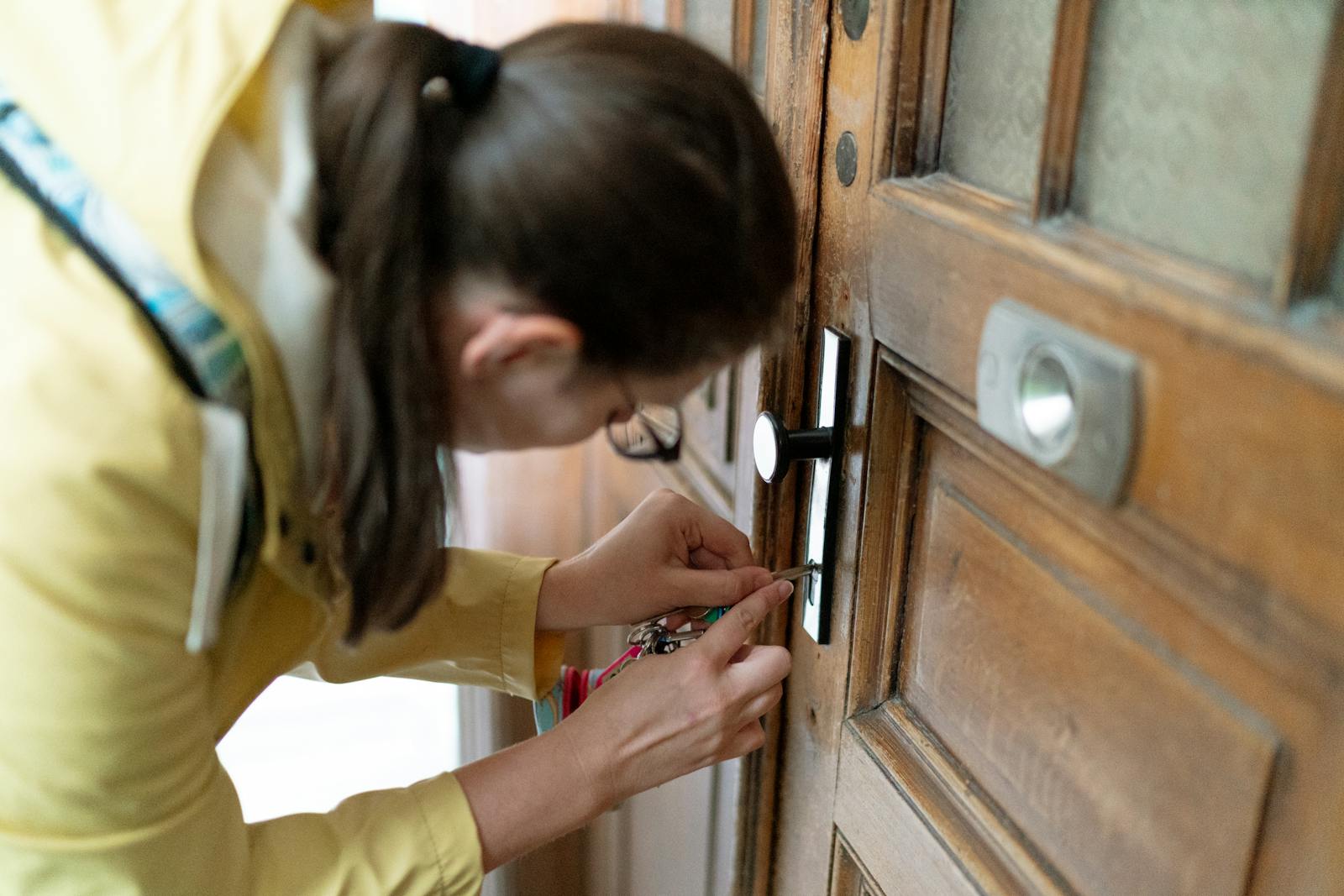
Navigating the complexities of family dynamics can be challenging, especially when it comes to boundaries in your own home. Imagine waking up to find your mother-in-law has let herself in at 6 AM because your husband gave her a key without consulting you. This scenario not only disrupts your morning but also raises serious questions about respect, boundaries, and communication within your marriage.
You’re not wrong to feel frustrated or even violated in this situation. It’s natural to want to protect the sanctity of your home and the privacy that comes with it. This issue matters because it touches on fundamental aspects of any partnership—trust, respect, and the need to communicate openly about boundaries. Here’s how to navigate this delicate situation.
Start With a Calm, Direct Conversation
The first step in addressing this issue is to have a calm and direct conversation with your husband. Sit down together and express your feelings about the situation without placing blame. Use “I” statements, such as “I felt uncomfortable when I found out your mom had a key.” This approach helps to keep the dialogue constructive.
Why does this work? Open communication fosters understanding and can help your partner see your perspective. You deserve to express your feelings, and your husband needs to understand how his actions affect you.
Set Clear Boundaries and Expectations
After discussing your feelings, it’s essential to establish clear boundaries regarding your home. Decide together how you want to handle access to your space, especially when it comes to family members. For instance, you might agree that no one should have a key unless both partners consent.
Why is this important? Setting boundaries creates a framework for respect and trust in your relationship. It empowers both of you to feel secure in your home and ensures that both voices are heard in decisions that affect your shared space.
Involve Your Partner Without Blaming Them
While it’s tempting to point fingers, aim to involve your partner in finding a solution rather than making them feel defensive. Ask for their thoughts on how to address the situation with their mother and how both of you can communicate your boundaries to her.
This collaborative approach works because it reinforces teamwork in your marriage. You’re not against each other; you’re both navigating the complexities of family dynamics together. By involving your partner, you foster a sense of unity and shared responsibility.
Offer Reasonable Alternatives
If your husband’s mother needs to be involved in your lives, consider proposing reasonable alternatives. Perhaps she can visit on scheduled days rather than having unrestricted access. This not only maintains her connection with the family but also respects your need for privacy.
Why does this help? Offering alternatives shows that you’re willing to compromise while still standing firm on your boundaries. It reassures your partner that you value family relationships, just not at the expense of your comfort and privacy.
Protect Your Home and Privacy Without Escalating Conflict
When setting boundaries, it’s crucial to convey that protecting your home is not a personal attack on your mother-in-law, but rather a necessity for your peace of mind. Make it clear that you appreciate her concern but need to maintain your home as a private sanctuary.
This approach works because it removes the emotional charge from the conversation. By focusing on the concept of home and privacy rather than individual actions, you can help your husband and his mother understand your perspective without escalating tensions.
Reassess the Situation Periodically
As time goes on, check in with each other about how things are going. Are the boundaries you set working? Is there still tension, or have things improved? Regular reassessment allows both of you to adjust as needed and continue communicating openly.
Why is this beneficial? It shows that you are committed to making the relationship work and are willing to adapt as circumstances change. This proactive approach reassures you that you’re in this together, fostering a stronger partnership.
Be Patient and Kind to Yourself
Finally, remember that navigating family dynamics takes time. It’s normal to feel frustrated or overwhelmed, but be patient with yourself as you work through this situation. Acknowledge your feelings and allow yourself the space to process them.
This mindset works because it reminds you that you are not alone in your feelings and that it’s okay to seek a resolution at your own pace. You deserve to feel safe and respected in your home, and taking care of your emotional health is a vital part of that process.
#
Closing
The situation can improve with time, communication, and a willingness to set boundaries. Remember, you have the power to advocate for your comfort and privacy in your own home. Keep the lines of communication open and remember that a respectful partnership thrives on understanding and compromise. You are capable of navigating this challenge, and brighter days are ahead.
More from Cultivated Comfort:
- 7 Vintage Home Items From the ’60s That Are Collectors’ Dream Finds
- 7 Vintage Home Goods That Became Collectors’ Gold
- 7 Fast-Food Chains That Changed for the Worse
- 7 Frozen Dinners That Were Better Back in the Day

As a mom of three busy boys, I know how chaotic life can get — but I’ve learned that it’s possible to create a beautiful, cozy home even with kids running around. That’s why I started Cultivated Comfort — to share practical tips, simple systems, and a little encouragement for parents like me who want to make their home feel warm, inviting, and effortlessly stylish. Whether it’s managing toy chaos, streamlining everyday routines, or finding little moments of calm, I’m here to help you simplify your space and create a sense of comfort.
But home is just part of the story. I’m also passionate about seeing the world and creating beautiful meals to share with the people I love. Through Cultivated Comfort, I share my journey of balancing motherhood with building a home that feels rich and peaceful — and finding joy in exploring new places and flavors along the way.