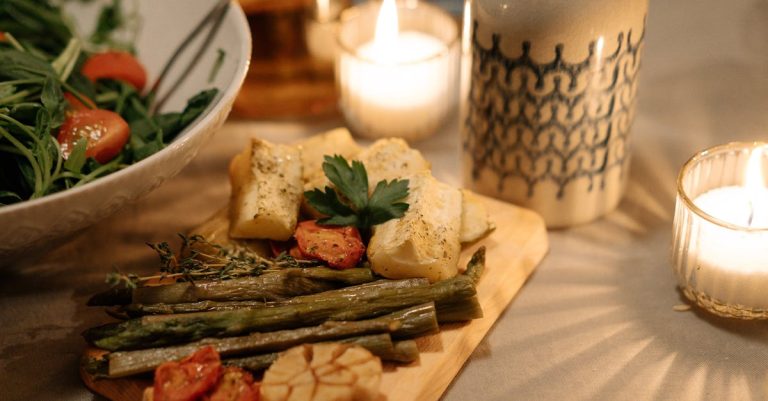
Fun is often treated like a luxury line item, something that has to be sacrificed the moment a budget gets tight. In reality, entertainment is one of the easiest parts of a household budget to redesign, because small tweaks in how I plan food, outings, and social time can slash costs without shrinking the joy. By swapping a few high-priced habits for creative alternatives, I can keep my social life, hobbies, and celebrations lively while spending a fraction of what I used to.
The most effective strategies are not about deprivation, they are about structure. When I build in low-cost rituals, use community resources, and rethink how I host friends or dates, the savings compound month after month. The result is a lifestyle where fun is frequent, flexible, and far more affordable than the default options pushed by advertising and social pressure.

Reframe “fun” as a budget category, not an impulse
The first shift I make is treating fun like any other planned expense instead of something that just happens whenever I feel like swiping a card. When I give entertainment its own line in my budget, I can decide in advance how much I want to spend on nights out, streaming, hobbies, and travel, then design activities that fit inside that number. This mindset turns “I deserve a treat” from a vague justification into a concrete choice between options, which is far less likely to spiral into unplanned spending.
Once I have a monthly figure, I break it into weekly “fun money” and look for ways to stretch each chunk. That might mean swapping one restaurant dinner for a home-cooked gathering, or trading a pricey concert for a free community event and saving the difference for a bigger trip later. The key is to see every plan as a tradeoff, not a one-off splurge, and to build a menu of low-cost ideas so I am never stuck thinking the only way to enjoy myself is the most expensive one on offer.
Turn food into entertainment instead of a restaurant bill
One of the fastest ways I cut entertainment costs is by turning meals themselves into the activity. Instead of defaulting to dinner and drinks out, I invite friends over and make the cooking part of the fun. A build‑your‑own pizza night, where everyone brings a topping and assembles their own creation, feels like an event, not a downgrade, and it costs a fraction of a group tab at a pizzeria. This kind of shared cooking is especially effective for larger gatherings, because the work and expense are spread across the group.
Ideas like this are not just theoretical. Guides to budget celebrations suggest that when I Unleash my inner chef with a DIY pizza night, I get a social, hands‑on activity that keeps costs low while still feeling special. Frugal communities echo the same logic, recommending that instead of going out for a full restaurant experience, I host a simple pizza and movie night at home, which can be as satisfying as a night on the town when the focus is on the people rather than the bill. When I treat the kitchen as a venue, not just a chore zone, my food budget and my entertainment budget both benefit.
Use grocery stores and simple snacks as your secret weapon
Grocery stores can quietly become one of the best tools I have for affordable fun, especially when I lean on them to upgrade at‑home experiences. A themed tasting night built around a handful of interesting snacks, cheeses, or frozen appetizers costs far less than bar food or a tasting menu, but still feels curated and social. I can turn a random Tuesday into a “try something new” evening by picking up a few unusual items and building a game around rating them with friends.
Chains that focus on quirky, rotating products are particularly useful for this. When I browse a store like Trader Joe’s, I can assemble a spread of frozen dumplings, dips, and desserts for less than the price of a single restaurant entrée, then pair it with a movie or board game night at home. The point is not to chase the cheapest possible calories, but to use the variety and lower per‑person cost of grocery items to create experiences that feel indulgent without the markup of table service, tips, and transportation.
Swap nights out for structured at‑home hangouts
When I look closely at my spending, unplanned nights out are often the biggest leak. Replacing some of those with structured at‑home hangouts gives me the same social payoff for a fraction of the cost. Frugal communities suggest simple formats that work repeatedly, like board games or jigsaw puzzles picked up cheaply from a thrift store, paired with a basic snack spread. One commenter even framed it as a direct swap, saying that instead of going out for an expensive evening, they host a pizza movie night at home and still get the same sense of connection.
That kind of thinking aligns with advice aimed at students, who are often told they do not need to waste money on constant outings to maintain a social life. Guides aimed at campus budgets recommend that I do not give up socializing, but instead offer alternatives, such as cooking something together at home or organizing a game night, which keeps friendships strong without draining a bank account. When I follow that approach and invite people over for a themed game night, a shared meal, or a movie marathon, I am not just saving money, I am building a repeatable template for low‑cost fun that can run all year.
Online discussions of frugality reinforce this pattern, with users like Sep and Try highlighting how a simple, home‑based pizza night can replace a pricey bar tab. I have found that when I plan these evenings with a bit of structure, such as a tournament bracket for card games or a themed film lineup, they feel intentional and memorable, not like a consolation prize for skipping the bar.
Turn your local library into an entertainment hub
Public libraries are one of the most underused tools for making fun affordable. I think of them as free entertainment memberships that I am already paying for through taxes, whether I use them or not. Beyond shelves of books and magazines, many branches now offer streaming access, digital audiobooks, and passes to local attractions, all of which can replace paid subscriptions or one‑off ticket purchases. When I build a habit of checking the library catalog before I rent or buy anything, I often find that what I wanted is already available at no extra cost.
The range of items on offer is wider than most people realize. Reports on library programs point out that, But did you know that many public libraries will lend more than just books, including board games, musical instruments, and passes to museums or parks. Beyond the standard items such as magazines and DVDs, some systems let patrons check out tools, telescopes, or crafting equipment, turning a simple library card into a gateway for dozens of hobbies. By exploring my branch’s “library of things,” I can test new activities without buying gear upfront, which keeps experimentation fun and affordable.
Leverage parks, trails, and hidden local spots
Outdoor spaces are another powerful way to keep entertainment costs low while still feeling like I am getting out of the house. City and regional parks, hiking trails, and waterfronts offer built‑in scenery and room to move, which can turn a basic walk into a mini adventure. When I treat these spaces as destinations rather than backdrops, I can plan picnics, photo walks, or casual sports days that cost little more than the food I bring along.
People who focus on frugal living often emphasize how much value is hiding in plain sight. One discussion highlighted that Exploring local parks is so much fun, and that it is kind of shocking how many there are that most people do not know about. A commenter nicknamed Pro pointed out that there are often cool places that just do not advertise well, from small nature preserves to community gardens. By making a list of nearby parks and working through them one by one, I can turn my own region into a low‑cost travel project, complete with photos, journals, or simple challenges like visiting every trailhead within an hour’s drive.
Use memberships and reciprocity to unlock culture on the cheap
Museums, science centers, and zoos can feel expensive if I only think in terms of single‑day tickets, but memberships often flip the math. When I know I will visit a place several times a year, a membership can pay for itself quickly, especially if it includes guest passes or discounts on events. The real savings, though, often come from reciprocal agreements that let one membership unlock access to dozens of institutions in other cities.
Families who track these programs note that if I want to be part of the ASTC network, all I need to do is join one local member of the Association of Science, Technology Centers and then I can use the benefits included in the reciprocal program at participating sites elsewhere. That means a single membership can turn into discounted or free admission at science museums across the country, which is especially valuable if I travel with kids or enjoy educational outings. By planning trips around these networks and checking which institutions participate before I go, I can build culture‑rich itineraries that cost far less than buying tickets one venue at a time.
Bring date nights and creative projects home
Romantic outings are another area where costs can climb quickly if I rely on restaurants, movies, and ticketed events. I have found that bringing date night home, and making it more interactive, often leads to better memories at a lower price. Instead of paying for a paint‑and‑sip class or a pottery workshop, I can set up a small creative station at my own table, complete with simple supplies and a playlist, and treat the process as the main event.
Some companies now package this idea into ready‑made projects, noting that Traditional date nights often come with a price tag, whether it is going out for dinner, catching a movie, or engaging in other activities, and that DIY craft kits for couples can provide an interactive evening without breaking the bank. I can also design my own version by picking up inexpensive supplies from a dollar store or craft shop and following a free tutorial on a platform like YouTube. The combination of hands‑on activity, conversation, and a finished object to keep makes these nights feel more meaningful than yet another restaurant meal, and the cost per date drops dramatically once I have basic tools on hand.
Host big moments on a budget with smart DIY
Major life events, from college years to weddings, can become financial sinkholes if I follow every social expectation. I have learned to question which parts of these milestones actually matter to me and which are just expensive defaults. For students, that might mean skipping constant bar nights and instead organizing potlucks, study‑break movie marathons, or shared cooking sessions in a dorm kitchen. Advice aimed at undergraduates stresses that I should not give up socializing, but I can offer alternatives like cooking together or hosting game nights, which preserve the sense of community without the recurring cost of cover charges and rideshares.
The same principle applies to weddings and other large celebrations. Guides to budget ceremonies point out that You can even get mason jars, bags of glass beads, candles, and other nice‑looking items at a dollar store or other budget‑friendly shop, and that these small substitutions can yield serious savings. When I combine that with advice that students do not need to waste money on every trendy purchase, as highlighted in analyses of how students can cut unnecessary costs, I see a consistent pattern. The more I am willing to DIY decor, simplify menus, and focus on the parts of an event that actually matter to me, the more room I have in my budget for experiences that last longer than a single day.
More from Cultivated Comfort:
- 7 Vintage Home Items From the ’60s That Are Collectors’ Dream Finds
- 7 Vintage Home Goods That Became Collectors’ Gold
- 7 Fast-Food Chains That Changed for the Worse
- 7 Frozen Dinners That Were Better Back in the Day

As a mom of three busy boys, I know how chaotic life can get — but I’ve learned that it’s possible to create a beautiful, cozy home even with kids running around. That’s why I started Cultivated Comfort — to share practical tips, simple systems, and a little encouragement for parents like me who want to make their home feel warm, inviting, and effortlessly stylish. Whether it’s managing toy chaos, streamlining everyday routines, or finding little moments of calm, I’m here to help you simplify your space and create a sense of comfort.
But home is just part of the story. I’m also passionate about seeing the world and creating beautiful meals to share with the people I love. Through Cultivated Comfort, I share my journey of balancing motherhood with building a home that feels rich and peaceful — and finding joy in exploring new places and flavors along the way.