
Life can often feel like a whirlwind, especially when you’re juggling work, relationships, and personal responsibilities. You may find yourself feeling drained, but you might not even realize how deeply your exhaustion runs. Perhaps you’re navigating a situation with a friend or family member that leaves you feeling depleted, and you’re questioning whether your feelings are valid. This dilemma is not uncommon: “Why do I feel so exhausted even when I’m not physically doing much?”
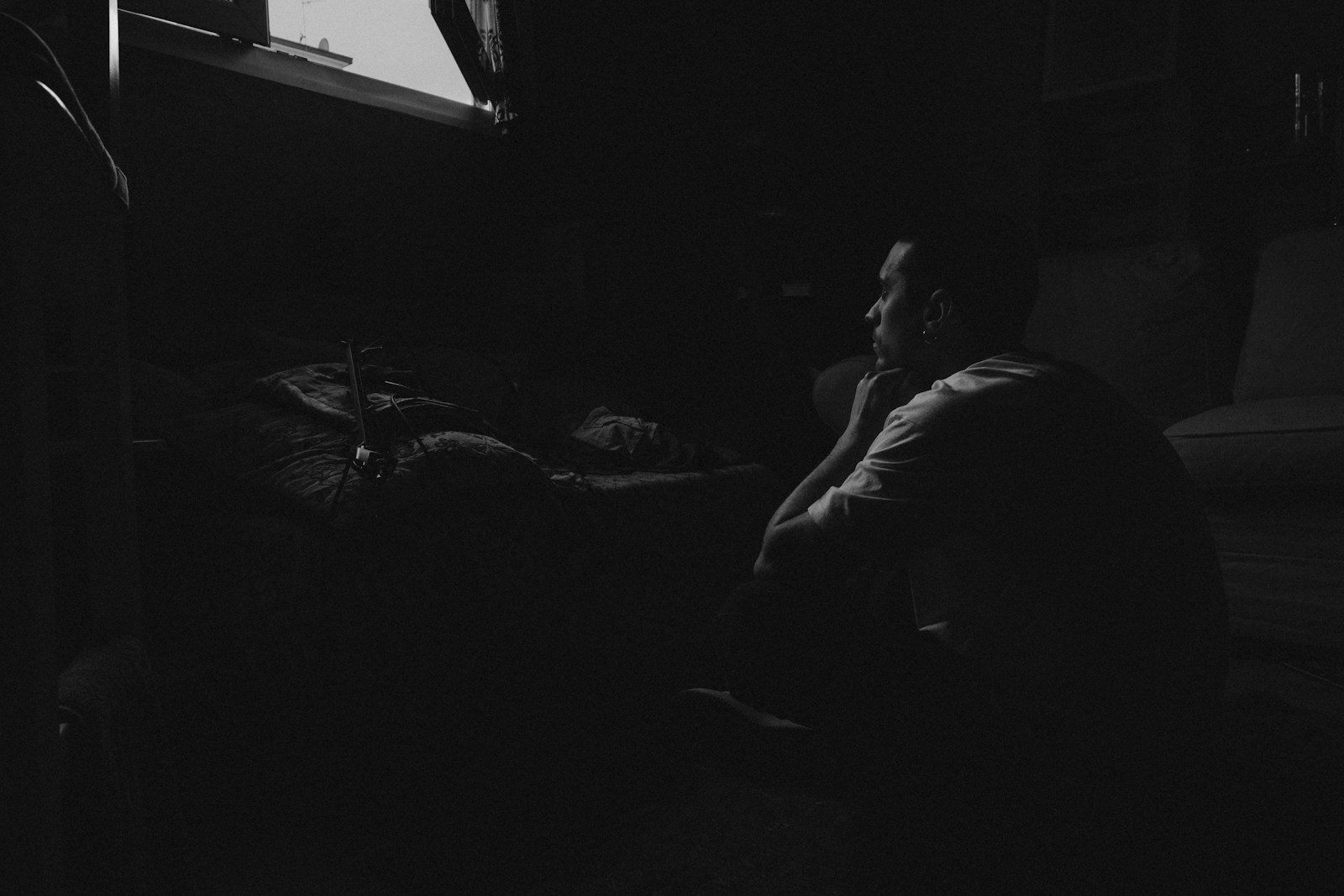
You’re not wrong to feel frustrated or overwhelmed. It’s completely natural to experience exhaustion when your emotional and mental resources are being stretched thin. This issue matters because recognizing the signs of exhaustion can help you set boundaries, communicate effectively, and ultimately respect your own needs in relationships. Let’s explore some red flags that may indicate your exhaustion and how to address them in a practical, empowering way.
Start With a Calm, Direct Conversation
The first step in addressing your exhaustion is to have an open conversation with the person involved. Choose a time when you both can talk without distractions. Share how you’re feeling without placing blame. For example, say, “I’ve been feeling really overwhelmed lately, and I’d like to discuss how we can support each other better.”
This approach works because it fosters understanding and opens the door for dialogue, rather than defensiveness. You deserve to communicate your feelings and be heard, and taking this step can lead to mutual respect and more supportive interactions.
Set Clear Boundaries and Expectations
Next, it’s essential to establish boundaries regarding what you can realistically handle. Make a list of your limits—whether that’s time, emotional energy, or resources—and communicate these clearly. For instance, if you need time to recharge on weekends, let the other person know.
Setting boundaries is effective because it protects your well-being and helps others understand your needs. Remember, your limits are valid; advocating for them can create a healthier dynamic in your relationships.
Involve Your Partner Without Blaming Them
If your exhaustion stems from a relationship, involve your partner in the conversation without making them feel attacked. Use “I” statements to express how their actions affect you. For example, instead of saying, “You never help with the chores,” try, “I feel overwhelmed when the chores pile up, and I’d appreciate more help.”
This method works because it focuses on your experience rather than placing blame, which can lead to defensiveness. By involving them in the solution, you’re reinforcing that you’re a team, and together you can lighten the load.
Offer Reasonable Alternatives
Sometimes, people may ask more of you than you can give. In these cases, it’s helpful to suggest reasonable alternatives. For instance, if a friend wants to meet frequently but you need downtime, propose a less frequent schedule that suits both of you.
Offering alternatives works because it shows you value the relationship while also respecting your own needs. You have the power to negotiate what feels right for you, and finding a compromise can help restore balance in your life.
Protect Your Home and Privacy Without Escalating Conflict
If external pressures—like family visits or houseguests—are causing your exhaustion, it’s perfectly okay to prioritize your home as a space for rest. Set limits on visits or designate quiet hours in your home. You might say, “I need some quiet time in the evenings to recharge; I hope you understand.”
This strategy is effective because it prioritizes your peace without escalating conflict. You have every right to create an environment where you feel safe and rested. Protecting your space is crucial for maintaining your energy levels.
Recognize the Signs of Emotional Exhaustion
Understanding the signs of emotional exhaustion is key to addressing it. Symptoms may include irritability, lack of motivation, or feeling detached from your surroundings. Acknowledge these feelings instead of pushing them aside. Journaling can be a helpful tool to process your thoughts.
Recognizing these signs works because it allows you to take proactive steps towards self-care. You are not alone in feeling this way; acknowledging your feelings is a powerful first step toward healing.
Seek Support When Needed
Finally, don’t hesitate to seek support from friends, family members, or professionals. Sometimes talking things through with someone outside the situation can provide clarity and relief. Consider joining community groups or support circles where you can share your experiences.
Seeking support is effective because it helps you feel less isolated and gives you access to different perspectives. Remember, reaching out is a strength, not a weakness. You deserve to feel supported and understood, and there are people willing to help.
Closing
It’s important to remember that your situation can improve with intention and communication. By recognizing these red flags and taking actionable steps, you’re already on the path to reclaiming your energy and well-being.
Finally, remember this: Your needs are valid, and advocating for them is a sign of strength.
More from Cultivated Comfort:
- 7 Vintage Home Items From the ’60s That Are Collectors’ Dream Finds
- 7 Vintage Home Goods That Became Collectors’ Gold
- 7 Fast-Food Chains That Changed for the Worse
- 7 Frozen Dinners That Were Better Back in the Day

As a mom of three busy boys, I know how chaotic life can get — but I’ve learned that it’s possible to create a beautiful, cozy home even with kids running around. That’s why I started Cultivated Comfort — to share practical tips, simple systems, and a little encouragement for parents like me who want to make their home feel warm, inviting, and effortlessly stylish. Whether it’s managing toy chaos, streamlining everyday routines, or finding little moments of calm, I’m here to help you simplify your space and create a sense of comfort.
But home is just part of the story. I’m also passionate about seeing the world and creating beautiful meals to share with the people I love. Through Cultivated Comfort, I share my journey of balancing motherhood with building a home that feels rich and peaceful — and finding joy in exploring new places and flavors along the way.