It’s not uncommon to hear of adults who still sleep with stuffed animals, and if you find yourself in this category, you may be grappling with feelings of embarrassment or frustration, especially if someone in your life challenges this habit. Perhaps a partner or friend has raised an eyebrow at your beloved plush companion, making you question whether your affection for it is “normal.” You might be feeling torn between wanting to hold on to that source of comfort and wanting to fit in with societal expectations.
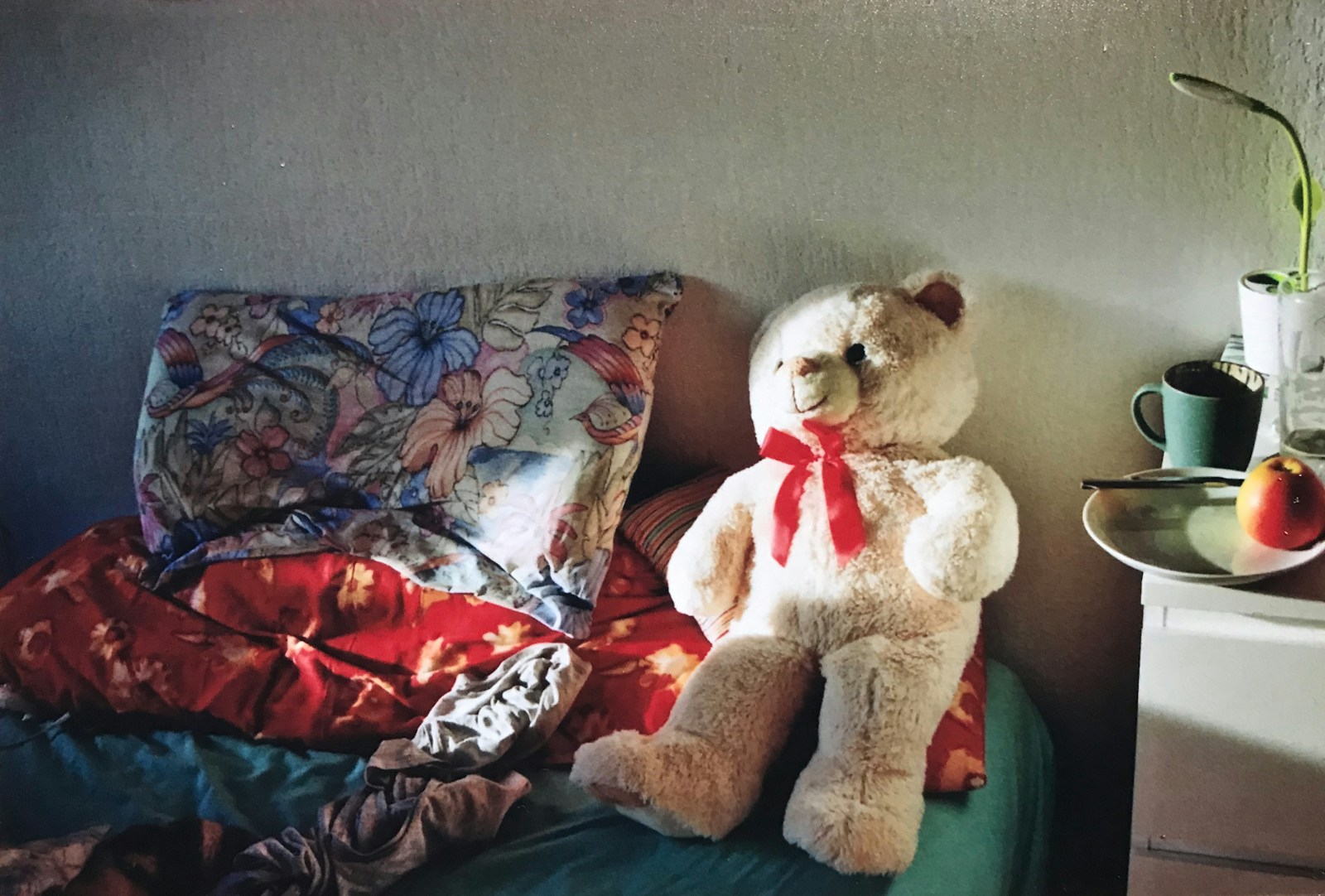
You’re not wrong to feel frustrated or even defensive about your attachment to stuffed animals. These items often represent more than mere toys; they can be sources of comfort, security, and nostalgia. Understanding the underlying reasons why you cherish these companions is essential in navigating conversations around them, establishing boundaries, and fostering respect in your relationships.
**Why This Issue Matters**
Addressing your attachment to stuffed animals is not merely about the objects themselves; it’s about setting boundaries, ensuring mutual respect, and fostering healthy communication in your relationships. By exploring this topic, you can create an environment where your feelings are validated, and you receive the support you need to express your true self.
Start With a Calm, Direct Conversation
Begin by having an open and honest conversation with the person who has expressed discomfort about your stuffed animals. Approach them calmly and explain why these companions are important to you.
This strategy works because it allows you to articulate your feelings and helps the other person understand your perspective. Remember, sharing your feelings can create a bridge of empathy and clarity. You deserve to be heard, and your emotions are valid.
Set Clear Boundaries and Expectations
It’s essential to establish boundaries regarding your stuffed animals. Let the other person know that while you appreciate their perspective, your attachment is not something you wish to change.
Setting clear boundaries works because it communicates your needs and reinforces your right to enjoy your comforts without judgment. Stand firm in your choices; you have the right to embrace what brings you joy.
Involve Your Partner Without Blaming Them
If your partner is the one expressing discomfort, include them in the discussion by asking about their feelings and thoughts. Frame it as a shared conversation rather than placing blame.
This approach fosters collaboration and shows that you value their perspective while also standing your ground. You are creating a team dynamic, which can strengthen your relationship and lead to mutual understanding.
Offer Reasonable Alternatives
If your partner finds it difficult to share your space with your stuffed animals, consider proposing alternatives. For example, suggest keeping them on a shelf or in a designated area rather than in the bed.
Offering alternatives works because it shows you are willing to compromise while still honoring your attachment. You can find a middle ground that respects both your needs and theirs, reinforcing the idea that relationships thrive on compromise.
Protect Your Home and Privacy Without Escalating Conflict
If the situation escalates or becomes a point of contention, take a step back and assess how to protect your space without causing further disputes. Consider creating a personal space that reflects your comfort without involving the other person directly.
This strategy allows you to maintain your peace and comfort without directly confronting your partner. You have the power to create a safe space for yourself, and it’s okay to prioritize your well-being.
Seek Support from Like-Minded Individuals
If you’re feeling isolated or judged, seek out communities or friends who understand and appreciate your attachment to stuffed animals. Sharing your experiences with others can provide validation and support.
This approach works because it connects you to those who share similar sentiments, reinforcing that you’re not alone in your feelings. You deserve to find community and support where your interests are embraced.
Embrace Your Unique Qualities
Finally, remember that your attachment to stuffed animals is part of what makes you unique. Embrace it wholeheartedly; these traits can reflect your creativity, emotional intelligence, and capacity for compassion.
This embrace works because it empowers you to be confident in your preferences and choices. You have every right to celebrate the things that bring you joy, and this authenticity can lead to deeper connections with others.
**Closing**
Navigating the complexities of personal attachments can be challenging, but it’s entirely possible to improve your situation. By engaging in open dialogue, setting boundaries, and seeking support, you can create an environment where your feelings are validated, and your comfort is respected.
Remember, your unique qualities are what make you, you. Embrace them with confidence and pride, and don’t hesitate to advocate for what brings you joy and comfort. The journey toward self-acceptance and mutual respect is one worth taking.
More from Cultivated Comfort:
- 7 Vintage Home Items From the ’60s That Are Collectors’ Dream Finds
- 7 Vintage Home Goods That Became Collectors’ Gold
- 7 Fast-Food Chains That Changed for the Worse
- 7 Frozen Dinners That Were Better Back in the Day

As a mom of three busy boys, I know how chaotic life can get — but I’ve learned that it’s possible to create a beautiful, cozy home even with kids running around. That’s why I started Cultivated Comfort — to share practical tips, simple systems, and a little encouragement for parents like me who want to make their home feel warm, inviting, and effortlessly stylish. Whether it’s managing toy chaos, streamlining everyday routines, or finding little moments of calm, I’m here to help you simplify your space and create a sense of comfort.
But home is just part of the story. I’m also passionate about seeing the world and creating beautiful meals to share with the people I love. Through Cultivated Comfort, I share my journey of balancing motherhood with building a home that feels rich and peaceful — and finding joy in exploring new places and flavors along the way.