In today’s fast-paced world, the value of solitude is often overlooked. Many individuals find comfort in their own company, thriving in environments where they can reflect, think deeply, and engage in creative pursuits. However, this preference for solitude can sometimes lead to misunderstandings, especially from those who may not share the same inclination. If you identify with this sentiment, you may be grappling with feelings of isolation or frustration in your relationships or social settings.
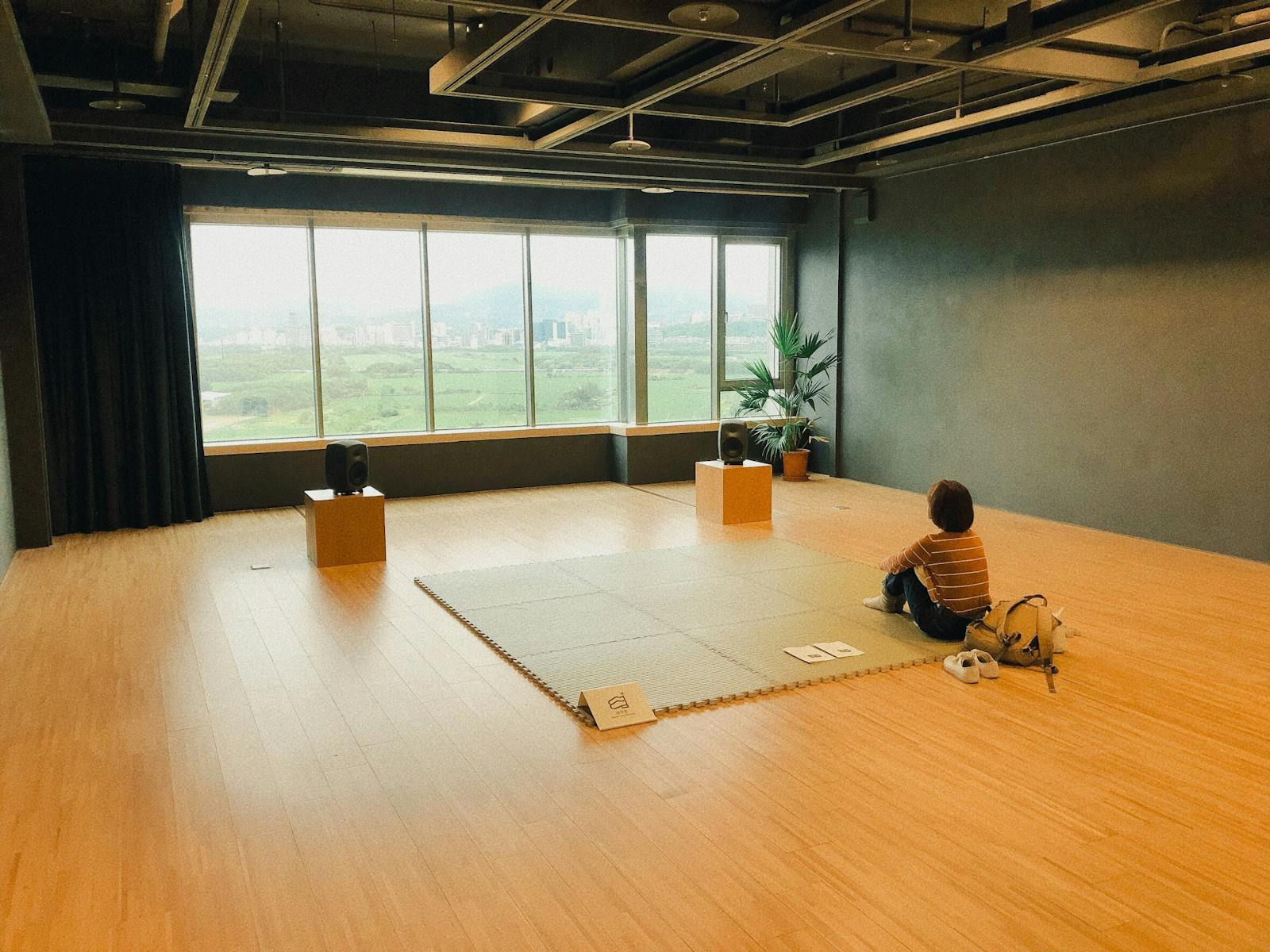
It’s completely natural to feel out of place or misunderstood when you prefer being alone. You’re not wrong to feel frustrated when your need for solitude is seen as a flaw rather than a strength. Recognizing and respecting your own boundaries is essential for your mental well-being. This issue matters because it touches on the fundamental aspects of communication and respect in relationships. Establishing a balance between your need for space and your interactions with others is key to maintaining healthy connections.
Start With a Calm, Direct Conversation
When you find yourself in a situation where others may not understand your preference for solitude, begin by having a straightforward conversation. Approach the topic calmly and express your feelings clearly.
This works because open communication sets a foundation for understanding. By sharing your perspective, you give others insight into your needs, which can foster respect and empathy. Remember, your feelings are valid, and discussing them can lead to better mutual understanding.
Set Clear Boundaries and Expectations
Establishing clear boundaries about your need for alone time is essential. Communicate these boundaries to those around you, whether it’s friends, family, or colleagues.
This strategy is effective because it creates a clear framework within which others can operate. When they know what to expect from you, it reduces potential misunderstandings. You are in control of your environment, and setting these boundaries empowers you to prioritize your mental well-being.
Involve Your Partner Without Blaming Them
If you’re in a relationship, involve your partner in the discussion about your need for solitude. Express your feelings without making them feel at fault for needing connection.
This approach is constructive because it fosters teamwork rather than conflict. By framing the conversation around your needs rather than their actions, you invite collaboration. You’re reinforcing that your need for space doesn’t diminish your affection for them, which can solidify trust and understanding.
Offer Reasonable Alternatives
When discussing your need for alone time, suggest reasonable alternatives for social interactions. This might mean planning specific days for togetherness while reserving other times for yourself.
Offering alternatives works because it shows that you value the relationship while honoring your need for solitude. It demonstrates that you’re willing to compromise without sacrificing your well-being. You’re taking proactive steps to maintain your relationships while ensuring your personal needs are met.
Protect Your Home and Privacy Without Escalating Conflict
If you find that your home is often invaded by visitors or distractions, set up respectful boundaries regarding your personal space. Politely decline last-minute visits or explain that you need time to recharge.
This is effective because it asserts your need for privacy while remaining respectful to others. You don’t have to engage in conflict to maintain your space. You’re simply prioritizing your peace of mind, which is your right.
Practice Self-Compassion
As you navigate these conversations and boundaries, remember to practice self-compassion. It’s okay to prioritize your needs, and acknowledging this can reduce feelings of guilt or anxiety.
Self-compassion is vital because it helps you remain grounded and confident in your choices. By treating yourself with kindness, you reinforce the importance of honoring your needs, which ultimately leads to healthier relationships. You are deserving of the space and time you need to thrive.
Closing
Navigating your preference for solitude in a world that often values social interaction can be challenging, but it’s entirely manageable. Remember, the situation can improve with clear communication and respect for your boundaries. Embrace your unique traits, and know that your preference for solitude is a reflection of your intelligence and self-awareness.
As you move forward, keep in mind that it’s okay to prioritize your well-being. By taking these steps, you’ll cultivate a life that honors both your need for solitude and your connections with others. You have the power to create a fulfilling balance that respects your individuality while maintaining your relationships.
More from Cultivated Comfort:
- 7 Vintage Home Items From the ’60s That Are Collectors’ Dream Finds
- 7 Vintage Home Goods That Became Collectors’ Gold
- 7 Fast-Food Chains That Changed for the Worse
- 7 Frozen Dinners That Were Better Back in the Day

As a mom of three busy boys, I know how chaotic life can get — but I’ve learned that it’s possible to create a beautiful, cozy home even with kids running around. That’s why I started Cultivated Comfort — to share practical tips, simple systems, and a little encouragement for parents like me who want to make their home feel warm, inviting, and effortlessly stylish. Whether it’s managing toy chaos, streamlining everyday routines, or finding little moments of calm, I’m here to help you simplify your space and create a sense of comfort.
But home is just part of the story. I’m also passionate about seeing the world and creating beautiful meals to share with the people I love. Through Cultivated Comfort, I share my journey of balancing motherhood with building a home that feels rich and peaceful — and finding joy in exploring new places and flavors along the way.