Discovering that cherished items belonging to a loved one have been sold without your knowledge or consent is a deeply painful experience. You may feel a whirlwind of emotions ranging from anger and betrayal to sadness and confusion. It’s completely understandable to feel frustrated when it seems that boundaries have been disrespected, especially regarding something as sentimental as your mother’s jewelry.
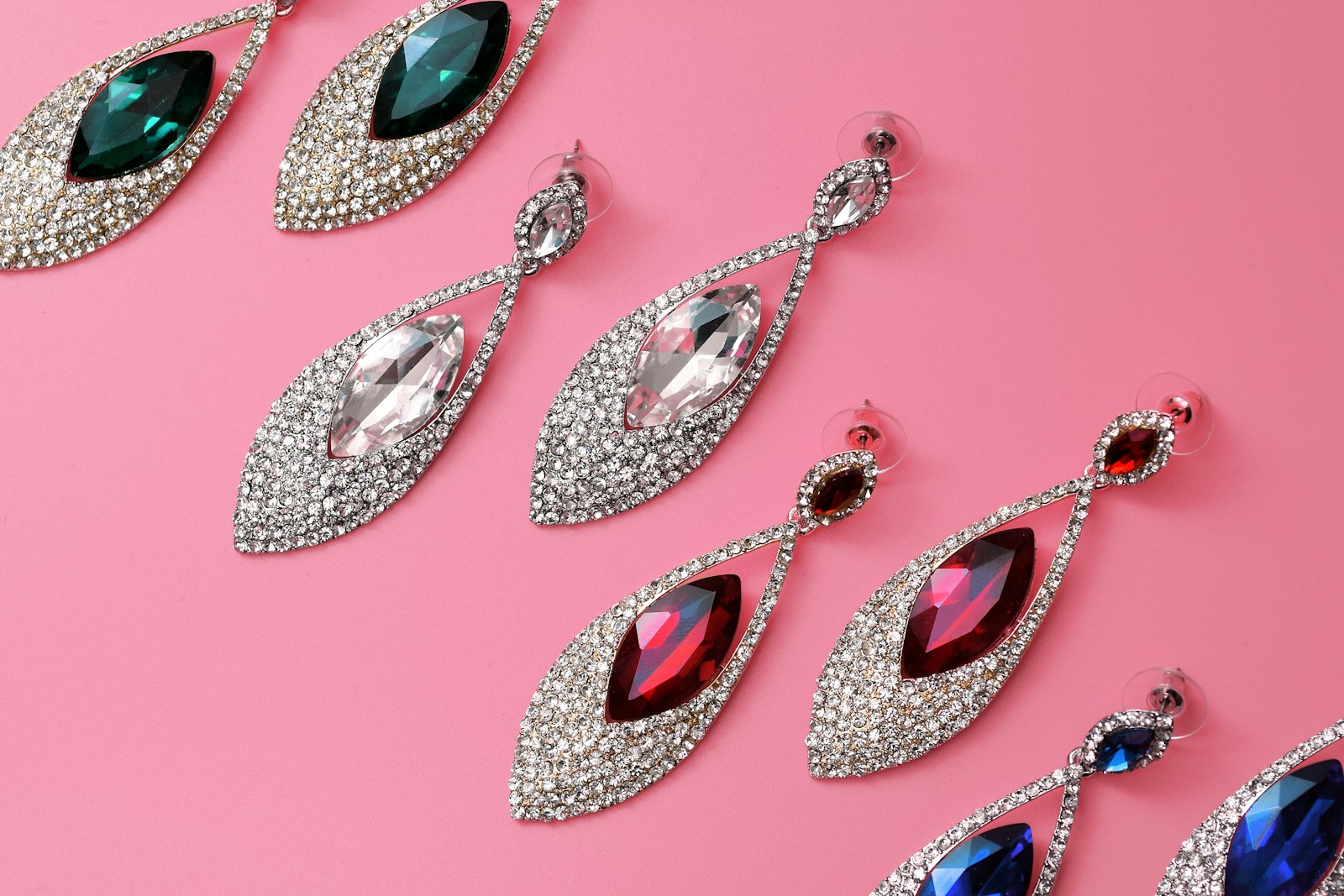
This situation matters not only because of the value of the items but also because it touches on deeper issues of respect, communication, and trust within your familial relationships. Navigating this delicate landscape can be challenging, but it’s essential to assert yourself and find a resolution that honors both your feelings and your mother’s legacy.
Start With a Calm, Direct Conversation
The first step you should take is to have an open and honest conversation with the person involved in the sale—be it a family member or a close friend. Approach the discussion calmly, expressing your feelings without placing blame. Use “I” statements, such as “I felt hurt and surprised to learn that my mother’s jewelry was sold without my knowledge.”
This approach works because it fosters a non-confrontational atmosphere, allowing the other person to listen without becoming defensive. Remember, your feelings are valid, and you deserve to be heard.
Gather Information and Understand the Context
Before jumping to conclusions, take the time to gather information about why the jewelry was sold. Was it due to financial necessity, or was it an oversight? Understanding the context can help you process the situation more clearly.
This strategy is effective because it allows you to approach the situation from a place of empathy rather than anger. You’re not alone in feeling hurt; it’s okay to seek clarity before making any decisions.
Set Clear Boundaries and Expectations
Once you’ve had the conversation and gathered information, it’s vital to set clear boundaries regarding your mother’s belongings. Let the involved parties know that any decisions about family heirlooms or sentimental items should be discussed with you first.
Establishing these boundaries empowers you to reclaim control over your emotional space and helps prevent similar situations in the future. It’s a proactive step toward ensuring that your feelings and wishes are respected.
Involve Your Partner Without Blaming Them
If your partner was involved in the decision-making process, gently include them in the conversation about your feelings and boundaries. Frame your discussion around your emotions rather than placing blame, emphasizing that this is about your late mother’s legacy and your feelings of loss.
Involving your partner in this manner fosters teamwork and understanding in your relationship. It reassures you that you have a support system while navigating this challenging situation together.
Offer Reasonable Alternatives
If the jewelry has already been sold, consider discussing alternative solutions with the person involved. Perhaps you can suggest a way to commemorate your mother, such as creating a shared memory book or dedicating a space in your home to her memory.
Offering alternatives is productive because it shifts the focus from loss to remembrance, allowing you to honor your mother’s legacy in a meaningful way. You have the strength to turn a painful situation into an opportunity for connection and healing.
Protect Your Home and Privacy Without Escalating Conflict
If the issue escalates and you feel your boundaries are still being violated, think about taking steps to protect your home and privacy. This might involve setting limits on what items can be brought into your space or how decisions are made regarding shared belongings.
This approach works because it allows you to maintain your personal space without creating further conflict. You have every right to create an environment that feels safe and respectful to you.
Seek Professional Guidance If Necessary
If the situation continues to cause significant distress or if communication breaks down, it might be beneficial to seek the guidance of a mediator or counselor. A neutral third party can facilitate discussions and help each person involved express their feelings without escalating tensions.
This option is empowering as it shows that you’re taking proactive steps to resolve the issue. You deserve support as you navigate these complex emotions and relationships.
Closing
While this situation is undoubtedly difficult, it’s important to remember that it can improve with patience, communication, and clear boundaries. Healing takes time, but by asserting your needs and honoring your mother’s memory, you can find a path forward.
As you navigate this emotional landscape, always remind yourself that you have the right to feel what you feel and to advocate for your needs. In doing so, you honor not just your mother’s legacy but also your own well-being.
More from Cultivated Comfort:
- 7 Vintage Home Items From the ’60s That Are Collectors’ Dream Finds
- 7 Vintage Home Goods That Became Collectors’ Gold
- 7 Fast-Food Chains That Changed for the Worse
- 7 Frozen Dinners That Were Better Back in the Day

As a mom of three busy boys, I know how chaotic life can get — but I’ve learned that it’s possible to create a beautiful, cozy home even with kids running around. That’s why I started Cultivated Comfort — to share practical tips, simple systems, and a little encouragement for parents like me who want to make their home feel warm, inviting, and effortlessly stylish. Whether it’s managing toy chaos, streamlining everyday routines, or finding little moments of calm, I’m here to help you simplify your space and create a sense of comfort.
But home is just part of the story. I’m also passionate about seeing the world and creating beautiful meals to share with the people I love. Through Cultivated Comfort, I share my journey of balancing motherhood with building a home that feels rich and peaceful — and finding joy in exploring new places and flavors along the way.