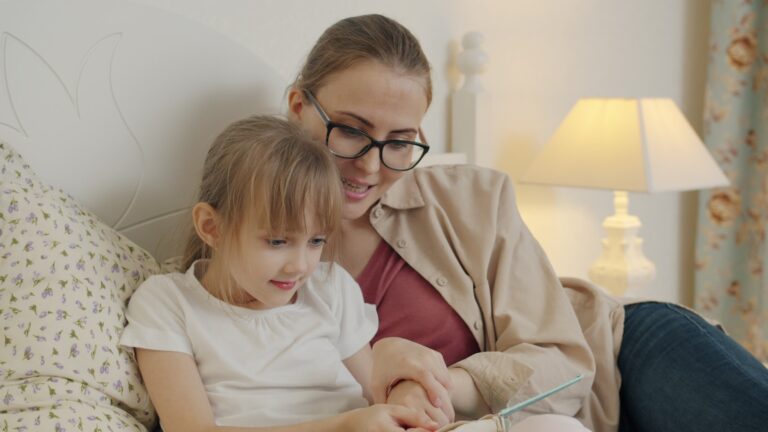
You’ll question the impulse to chase nonstop smiles and start thinking differently about what you want your child to learn from everyday ups and downs. This piece explores why a parenting coach might steer you away from constant happiness and toward skills that actually prepare kids for real life.
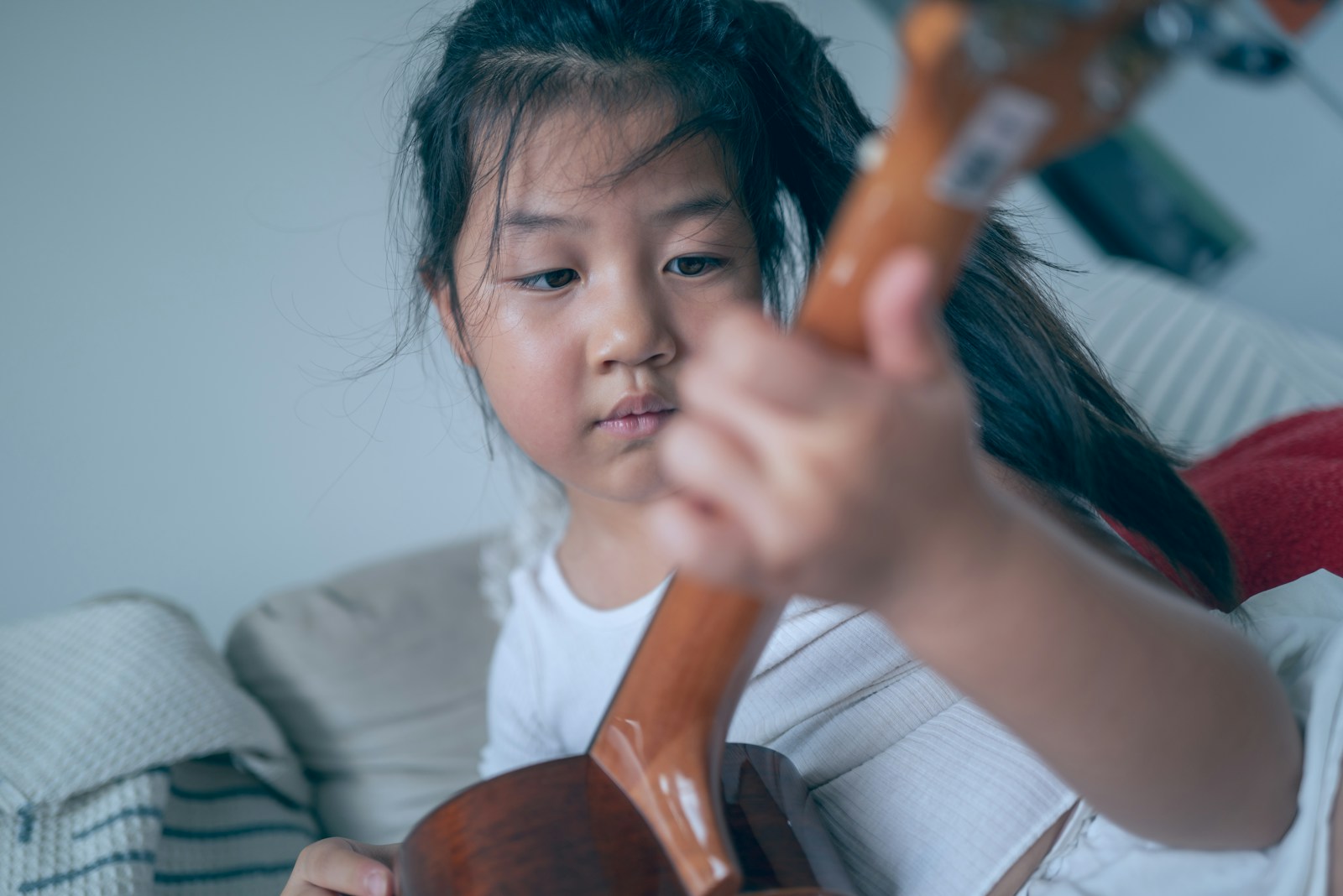
You’ll discover why prioritizing safety, emotional range, and resilience matters more than trying to keep your child happy all the time. The article guides you through practical shifts—like using boredom and setbacks as teaching moments—that help build confidence and emotional intelligence.
Embracing boredom as a learning tool
When your child says “I’m bored,” resist rushing in to fix it. Letting them sit with boredom gives your child space to generate ideas and practice self-direction.
You can offer simple prompts or a few open-ended materials, then step back. That nudges problem-solving without doing the thinking for them.
Over time, tolerating bored moments helps your child build creativity, focus, and the ability to create their own play. For more on how unstructured time supports learning, see research on the power of boredom for kids.
Teaching kids resilience through failure
You let kids try things that might not work and stay present when they stumble.
Show how failure teaches skills by talking through what went wrong and what to try next.
Give them small, safe risks so they learn practical problem-solving.
Praise effort and specific strategies more than outcomes to build a growth mindset.
Model calm reactions to setbacks; your response teaches their emotional rules.
For guidance on framing setbacks as learning moments, see research on helping kids learn from failure.
Focusing on feeling safe over feeling happy
You don’t have to chase constant cheerfulness for your kids to thrive.
Prioritizing emotional safety—predictable routines, honest conversations, and steady boundaries—gives them a secure base to explore.
When children feel safe, they handle setbacks and big feelings more easily.
This approach teaches resilience and emotional literacy instead of pressuring them to “be happy” all the time.
Modeling calm responses helps more than insisting on smiles.
Safety lets happiness arise naturally, rather than being a forced goal.
Allowing kids to experience a range of emotions
You don’t need to shield your child from every upset; feelings teach them what matters.
Name the emotion when it appears and stay calm so they learn that big feelings pass.
Let them express sadness, anger, and boredom without shaming them.
Modeling your own emotion skills helps more than insisting on constant positivity.
Teach coping tools—deep breaths, labeling feelings, and taking a break.
These skills build resilience and help your child handle life, not just chase fleeting happiness.
Building confidence instead of chasing constant joy
You don’t need to force smiles; you can teach skills. Show your child how to try, fail, and try again so they learn resilience.
Praise effort and problem-solving more than outcomes. That shifts focus from fleeting feelings to reliable competence.
Let them face age-appropriate frustration with your steady support nearby. This builds trust in their abilities and reduces the need to chase constant happiness.
Encouraging authenticity rather than forced happiness
You can teach your child that feelings are information, not problems to fix.
Validate upset moments and model how to sit with discomfort before offering solutions.
Focus on curiosity about their inner life — ask what they think and why.
This builds self-knowledge more than pushing a smile ever will.
Let them fail and repair relationships; those experiences shape moral courage.
Authenticity helps them choose values, not just chase temporary cheer.
Helping kids handle discomfort and uncertainty
You can normalize uncomfortable feelings by naming them when they appear and showing calm acceptance.
Practice small, manageable challenges together so your child learns that discomfort shrinks with action.
Set simple routines and predictable responses to reduce overwhelm, while still letting kids face age‑appropriate uncertainty.
Offer brief coaching—ask what they notice, what helps, and one small next step they can try.
When setbacks happen, stay steady and curious.
That steady presence teaches more resilience than chasing constant happiness.
Prioritizing emotional health over surface-level happiness
You focus on emotional health so your child learns to name and handle feelings, not just chase smiles.
That means teaching coping skills, empathy, and self-awareness through everyday moments.
You accept discomfort as part of growth and set limits that teach resilience.
When you model steady emotional regulation, your child gains tools for long-term wellbeing, not short bursts of cheer.
Learn strategies that build inner balance rather than pursuing constant happiness.
This makes your parenting practical and rooted in real emotional development.
Understanding that happiness isn’t a permanent state
You won’t stay at peak happiness forever; emotions ebb and flow and that’s normal. Recognizing this frees you from treating every setback like failure.
When you expect constant joy, you set your child up for disappointment. Teach them that feelings change, and model calm responses to ups and downs.
Learning about concepts like hedonic adaptation helps you see why big wins don’t guarantee lasting bliss. Use that insight to focus on meaning, resilience, and steady habits that support wellbeing.
Valuing self-awareness and emotional intelligence
You learn to notice what you feel before you react. That awareness helps you name emotions and choose how to respond.
Teaching emotional intelligence gives your child tools for relationships and stress. It’s more durable than chasing constant happiness.
Practice small moments: pause, ask what you’re feeling, and model curiosity. Those habits build insight that serves your child across life.
Research links self-awareness to stronger communication and better decision-making, so you invest in skills, not just fleeting moods.
More from Cultivated Comfort:
- 7 Vintage Home Items From the ’60s That Are Collectors’ Dream Finds
- 7 Vintage Home Goods That Became Collectors’ Gold
- 7 Fast-Food Chains That Changed for the Worse
- 7 Frozen Dinners That Were Better Back in the Day

As a mom of three busy boys, I know how chaotic life can get — but I’ve learned that it’s possible to create a beautiful, cozy home even with kids running around. That’s why I started Cultivated Comfort — to share practical tips, simple systems, and a little encouragement for parents like me who want to make their home feel warm, inviting, and effortlessly stylish. Whether it’s managing toy chaos, streamlining everyday routines, or finding little moments of calm, I’m here to help you simplify your space and create a sense of comfort.
But home is just part of the story. I’m also passionate about seeing the world and creating beautiful meals to share with the people I love. Through Cultivated Comfort, I share my journey of balancing motherhood with building a home that feels rich and peaceful — and finding joy in exploring new places and flavors along the way.