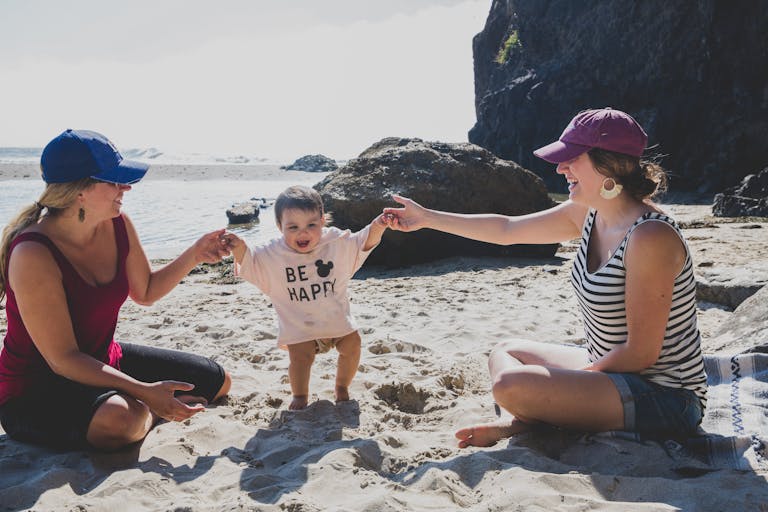
You’ll recognize the kind of man who steps into fatherhood with ease: someone whose instincts and actions make caring for kids feel natural rather than forced. You’ll learn what common qualities these men share and why those traits make everyday parenting more effective, steady, and emotionally rich.

This piece guides you through the emotional presence, practical habits, and quiet strengths that distinguish natural fathers—traits ranging from patience and reliable calm to teaching by example and joyful engagement—so you can spot them, appreciate them, or cultivate them in your own life.
Unwavering emotional availability
You notice when a man listens without waiting to speak; he makes space for your child’s words and feelings.
That steady presence helps kids feel safe to explore and to mess up.
He shows emotions without shame, which teaches your child that feelings are normal.
You’ll see patience in small moments—a late-night worry or a scraped knee—more than grand gestures.
Genuine patience with kids
You stay calm when a meltdown stretches longer than you planned.
You listen twice as much as you talk, giving small people space to work through big feelings.
You set steady expectations and repeat them without anger.
That steady patience teaches your child how to regulate emotion and try again.
Instinctive protector mindset
You notice and respond before danger fully appears.
That quick, steady vigilance shows up in small acts—checking locks, watching a sleeping child, or stepping between chaos and calm.
You balance protectiveness with respect for independence.
You intervene when necessary, then step back so your child learns to try things on their own.
You model safety without creating fear.
Your presence reassures more than it controls.
Deep sense of responsibility
You take care seriously, not as a burden but as a steady promise you keep day after day.
That means planning for small needs—meals, bedtime, school things—and the big ones like finances or health decisions.
You step forward first when problems come up and follow through without needing praise.
Kids notice consistency more than grand gestures; your steady presence builds trust and emotional safety.
Natural nurturer
You notice small caregiving gestures before anything else — the steady way you soothe a crying child or instinctively check on a sleeping partner.
Those moments feel natural, not performed, and they guide how you prioritize time and patience.
You learn comfort techniques and emotional tuning quickly, often adapting what the child needs in the moment.
That quiet confidence helps kids feel safe and teaches you how to lead with kindness.
Studies show paternal involvement shapes development; see research on the powerful role of fathers.
Consistent presence
You show up—not just for big moments but for the small, messy ones that actually shape childhood. Being reliably present teaches your child that they matter and that life can be counted on.
When you stay calm during setbacks, you model emotional steadiness. Your consistent routines and attention build trust, and that steadiness often becomes an internal anchor your child carries into adulthood.
Strong communication skills
You listen first, which makes it easier to respond calmly and clearly.
You explain rules and expectations without lecturing, so kids know what’s safe and fair.
You share feelings in simple, honest ways that model emotional words.
You ask questions and check understanding, keeping conversations open instead of shutting them down.
Empathy towards children’s feelings
You notice and respond when your child shows fear, joy, or frustration. Small reactions—soft words, a hug, asking what happened—teach them you take their feelings seriously.
You mirror emotions without taking them on; that helps kids learn to name and manage what they feel. Fathers who practice this often raise children who trust their own emotions and come to you when they need support.
Ability to teach through example
You learn most from what he does, not what he says. Small, consistent actions—helping with homework, apologizing when wrong, keeping promises—show you how to behave more than lectures ever will.
When he models calm problem-solving, you pick up that skill for life. Watching him work, fail, and try again teaches resilience without a single speech.
You notice values in everyday routines. Those quiet demonstrations shape your choices and become the blueprint you carry into adulthood.
Respect for partner’s parenting style
You listen when your partner explains choices and ask questions instead of criticizing.
You adapt your approach at home so your child sees consistent care, even when you disagree.
You back your partner in front of the kids and work out differences privately.
You model cooperation, which helps your child feel secure and teaches healthy conflict skills.
High emotional intelligence
You notice your feelings and name them instead of letting them run the show. That awareness helps you stay calm during toddler meltdowns and tense conversations.
You read others well—your partner’s stress, a child’s hurt—so you respond in ways that actually help. That skill builds safety and trust over time.
Reliability in tough times
You stay steady when everything else creaks, and that steadiness calms the people around you. Small acts—showing up on a hard day, keeping promises, fixing problems—add up fast.
You plan for bumps rather than panic at them. That practical preparedness gives your family confidence and room to breathe.
You admit when you don’t have all the answers and then find them. That honesty builds trust as much as competence does.
Joy in everyday parenting moments
You notice small wins—a sock found, a silly joke returned with a bigger laugh.
Those moments add up and change how you feel about your day.
You trade perfection for presence and start enjoying bedtime routines.
Playing on the floor or fixing a scraped knee becomes something you look forward to.
You see growth in tiny milestones and feel proud without needing praise.
Simple, repeatable rituals build a steady sense of connection and meaning.
Willingness to sacrifice personal time
You often choose kids’ needs over your own schedules without much drama.
That might mean missing a game night, shifting work plans, or staying up late to soothe a fever.
Those small, repeated trade-offs build trust and routine.
They show you value presence more than perfection.
Positive role model behavior
You show values through daily actions, not speeches. Small habits—keeping promises, owning mistakes—teach your kids what reliability looks like.
When you manage stress calmly, you give your children a blueprint for handling pressure. Your empathy and fairness in everyday choices shape their emotional habits.
Modeling healthy routines, like regular activity and balanced screen time, helps kids adopt similar patterns. Your consistent respect for others sets a standard they’ll carry into adulthood.
Strong problem-solving skills
You stay calm when a toddler tantrum or a teen crisis pops up, and that steadiness helps you find practical fixes fast.
You break problems into small steps, test simple solutions, and adjust based on what actually works.
You teach kids to think through problems, not just hand them answers.
That modeling builds their confidence and gives your family tools to handle future challenges.
You know when to ask for help and when to try a new approach yourself.
Open to learning and growing
You stay curious about parenting because you know kids change faster than any manual can keep up with.
You ask questions, read new ideas, and admit when you need to try a different approach.
You treat mistakes as lessons, not failures, so you model resilience for your children.
You seek feedback from partners, teachers, or other parents and adjust without taking it personally.
Ability to handle stress calmly
You stay steady when situations heat up, which helps your kids feel safer and less anxious.
Calm responses teach them emotional regulation by example, not lecture.
When you breathe through pressure and make clear choices, your children learn problem-solving.
That quiet control also makes family conflicts easier to resolve and reduces household tension.
Modeling calm doesn’t mean never feeling stressed; it means managing it openly and responsibly for your kids to emulate.
Sense of humor around kids
You use jokes and silliness to break the tension and make everyday moments lighter.
A steady stream of playful teasing, goofy faces, and harmless dad jokes helps your child feel safe and seen.
You know when to laugh and when to be serious, which teaches emotional balance.
Using humor also builds connection and gives your kids a simple tool to handle small embarrassments.
Playful language boosts their imagination and listening skills.
Keep it warm and patient so your humor becomes a steady, positive part of family life.
Firm but fair discipline
You set clear rules and follow through calmly, so kids know what to expect.
You correct behavior without shaming; firmness pairs with respect.
You keep consequences proportional and consistent, which builds trust.
You explain the why, not just the punishment, so lessons stick.
More from Cultivated Comfort:
- 7 Vintage Home Items From the ’60s That Are Collectors’ Dream Finds
- 7 Vintage Home Goods That Became Collectors’ Gold
- 7 Fast-Food Chains That Changed for the Worse
- 7 Frozen Dinners That Were Better Back in the Day

As a mom of three busy boys, I know how chaotic life can get — but I’ve learned that it’s possible to create a beautiful, cozy home even with kids running around. That’s why I started Cultivated Comfort — to share practical tips, simple systems, and a little encouragement for parents like me who want to make their home feel warm, inviting, and effortlessly stylish. Whether it’s managing toy chaos, streamlining everyday routines, or finding little moments of calm, I’m here to help you simplify your space and create a sense of comfort.
But home is just part of the story. I’m also passionate about seeing the world and creating beautiful meals to share with the people I love. Through Cultivated Comfort, I share my journey of balancing motherhood with building a home that feels rich and peaceful — and finding joy in exploring new places and flavors along the way.