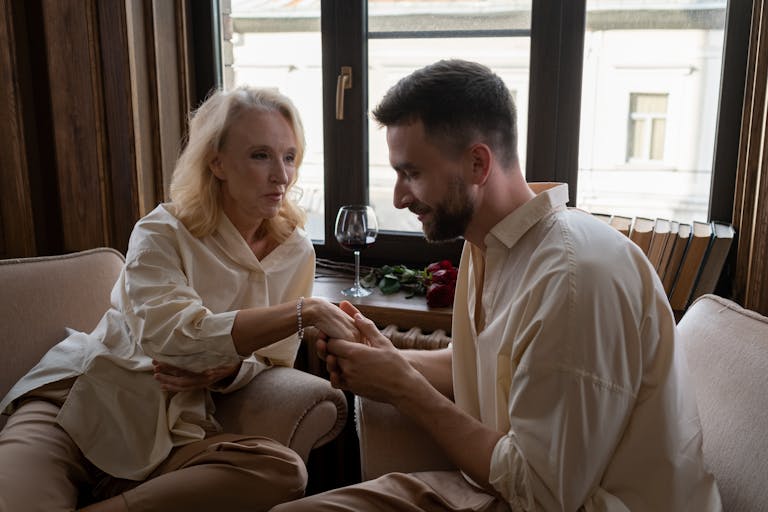
Navigating family dynamics during the holidays can be a complex and often frustrating experience, especially when adult children seem to expect their schedules to take precedence over everyone else’s. You may find yourself feeling sidelined, with your wishes brushed aside or met with anger whenever you propose alternatives. It is understandable to feel disheartened and even resentful in such situations.

You’re not wrong to feel frustrated. Holidays are supposed to be a time of joy, connection, and mutual respect, yet it can feel like your needs are being ignored. This issue matters because it touches on crucial themes of boundaries, respect, and communication within your family. Establishing a balanced approach can help foster healthier relationships and ensure that everyone feels heard and valued.
Start With a Calm, Direct Conversation
Begin by having a straightforward dialogue with your children about how their expectations are affecting you. Choose a quiet time when everyone is relaxed, and express your feelings honestly. Use “I” statements to avoid sounding accusatory, such as, “I feel overlooked when our holiday plans only focus on your schedules.”
This approach works because it encourages open communication without creating defensiveness. By expressing your feelings rather than pointing fingers, you create a safe space for dialogue. Remember, your perspective is valid, and sharing it is the first step toward finding a resolution.
Set Clear Boundaries and Expectations
It’s essential to establish boundaries regarding holiday plans and expectations. Be clear about what you are willing to accommodate and what you expect in return. For example, you might say, “I want to make sure we all enjoy the holidays, so I’d like to set aside certain times for family traditions that work for everyone.”
Setting boundaries is effective because it clarifies your position and helps prevent misunderstandings. It empowers you to stand firm in your needs while also fostering respect for others’ preferences. You deserve to have your desires recognized and honored, too.
Involve Your Partner Without Blaming Them
If you have a partner, involve them in the conversation about holiday plans. Share your concerns together, but avoid placing blame. Instead of saying, “You always want to do what your family wants,” frame it as, “We both value spending time with our families, and it’s important for us to find a balance.”
This method works because it unites you and your partner as a team, presenting a united front to your children. It also illustrates that this is a family issue rather than a personal affront. You and your partner deserve to collaborate on creating a holiday experience that honors both of your wishes.
Offer Reasonable Alternatives
When your children express their expectations, be prepared with alternative suggestions that could accommodate everyone. For instance, if they want to spend Christmas Day with their in-laws, propose celebrating together on a different day, like Christmas Eve or New Year’s Day.
Offering alternatives works because it shows that you are willing to compromise. It opens the door for negotiation and can reduce their resistance to change. You are taking charge of the situation by providing solutions, which can empower you and encourage your children to consider your feelings.
Protect Your Home and Privacy Without Escalating Conflict
If your home is often the default gathering place, it’s okay to establish limits on how often and how long family members can stay. Politely communicate your preferences, such as, “I am happy to host, but I would appreciate it if we could keep gatherings to a few hours instead of the whole day.”
This tactic is effective because it emphasizes your needs without dismissing theirs. Protecting your home and privacy is vital for your well-being, and asserting this need can lead to healthier interactions. You have every right to create a space that feels comfortable and manageable for you.
Encourage Flexibility and Compromise
Encourage your children to be more flexible with their schedules. Remind them that the holidays are about togetherness and that a little compromise can go a long way in creating joyful memories. For example, if one child can only attend on a specific day, ask if they can adjust plans to allow for a family gathering.
This approach works because it fosters a sense of teamwork and understanding. It emphasizes that everyone’s needs are important and encourages your children to be mindful of the larger family dynamic. You are modeling the very behavior you’d like to see in return.
Closing
While it may feel daunting, remember that this situation can improve with patience and open communication. Establishing boundaries and advocating for your needs will create a healthier atmosphere for everyone involved.
As a final piece of advice, remain hopeful and persistent. Positive change takes time, but by taking confident action, you can pave the way for more balanced holiday gatherings that honor everyone’s needs. You deserve to enjoy the holidays just as much as your children do.
More from Cultivated Comfort:
- 7 Vintage Home Items From the ’60s That Are Collectors’ Dream Finds
- 7 Vintage Home Goods That Became Collectors’ Gold
- 7 Fast-Food Chains That Changed for the Worse
- 7 Frozen Dinners That Were Better Back in the Day

As a mom of three busy boys, I know how chaotic life can get — but I’ve learned that it’s possible to create a beautiful, cozy home even with kids running around. That’s why I started Cultivated Comfort — to share practical tips, simple systems, and a little encouragement for parents like me who want to make their home feel warm, inviting, and effortlessly stylish. Whether it’s managing toy chaos, streamlining everyday routines, or finding little moments of calm, I’m here to help you simplify your space and create a sense of comfort.
But home is just part of the story. I’m also passionate about seeing the world and creating beautiful meals to share with the people I love. Through Cultivated Comfort, I share my journey of balancing motherhood with building a home that feels rich and peaceful — and finding joy in exploring new places and flavors along the way.