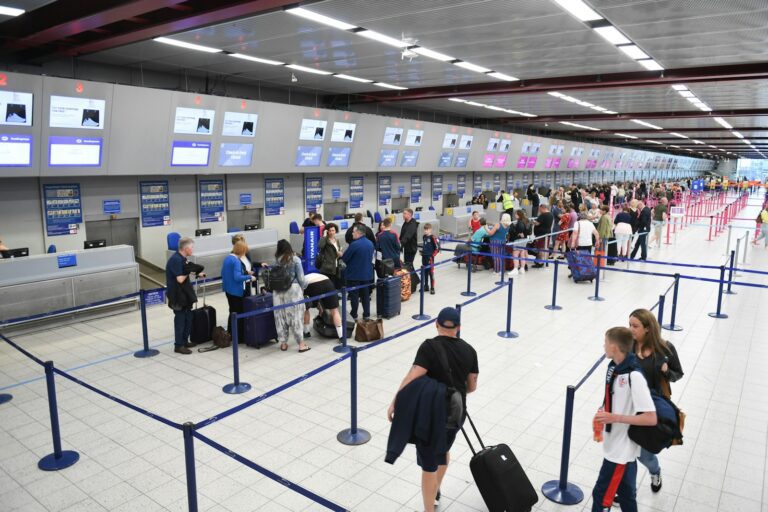
You spot a low fare, click to book, and the final price jumps. This change lets airlines omit some ancillary fees from the upfront display during booking, meaning you can face surprise charges for baggage and other services.
They’ve been fighting the rule in court, and recent appellate action has altered how the Transportation Department can enforce clearer pricing, so you need to know what shifted and how it affects your wallet.
Expect a breakdown of the specific fee changes, who is pushing back, and practical steps you can take to avoid unexpected charges when buying a ticket.
The Latest Hidden Checkout Fee Changes and Their Impact
A federal appeals court recently removed a rule that would have forced clearer display of ancillary and other service fees at booking. That decision affects how baggage fees, seat selection fees and similar charges appear during the checkout process.
Overview of Recent Airline Fee Changes
Courts overturned a Transportation Department regulation that required carriers and ticket agents to show ancillary fees alongside ticket prices. The rule, introduced in April 2024, aimed to make baggage fees, seat selection fees and change/cancellation fees visible before purchase. Judges in the 5th Circuit found procedural problems and tossed the rule, meaning the USDOT cannot enforce that requirement for now.
Consumer groups warned that reversing the rule could leave travelers facing surprise add-ons and paying more at airport counters. Airlines argued the regulation exceeded federal authority and would disrupt booking systems. The ruling shifts responsibility back to carriers and booking platforms to decide how they present fees.
Major Airlines and the Hidden Fees Passengers Face
Major carriers — including American, Delta, United, JetBlue and Alaska — collect billions in ancillary revenue from baggage, seat selection and other add-ons. Checked baggage fees rose society-wide through 2024; carriers reported billions in baggage income that year. Seat selection fees often vary by fare type, route and time of booking, creating inconsistent pricing.
Passengers commonly encounter extra charges for standard services: checked bags, preferred seats, same-day changes and extras like pet handling. Those fees may be higher at airports than during online booking. Airlines and trade groups warned that strict disclosure rules would force operational changes and increased costs for some fares.
How the Checkout Process Has Changed for Travelers
Without the enforceable USDOT rule, many websites still show some fees, but visibility varies across airlines and third-party agents. Travelers now need to inspect baggage and seat policies on carrier pages, compare total trip costs and watch for upsell steps during checkout. Some carriers continue to present fees earlier to reduce cart abandonment; others bury add-ons until late in the flow.
Practical steps help: check the airline’s baggage policy, use fare-comparison tools that attempt total-price calculations, and pay for baggage in advance when possible to avoid higher airport rates. Consumer advocates continue to press for clearer rules, and future legal or regulatory actions could once again change checkout displays.
Related reporting on the court decision and industry response appears in coverage of the appeals court reversal and the earlier USDOT regulation (https://www.the-sun.com/travel/15911786/american-airlines-hidden-fee-change/).
The Battle Over Transparent Pricing and Consumer Protection
Regulators, courts, and airlines are clashing over whether ticket checkout pages must show all mandatory fees upfront. The dispute centers on how far federal regulators can go to force “all-in” pricing and how courts interpret that authority.
Department of Transportation’s Role in Regulating Hidden Fees
The Department of Transportation (DOT) issued rules after 2024 aiming to require airlines and ticket agents to display ancillary charges — like checked-bag fees and seat-selection surcharges — alongside the base fare during booking. DOT framed the rule as preventing deceptive practices and helping travelers compare true costs before purchase. Consumer advocates say the rule reduces surprise charges and improves competition; airlines argued the agency exceeded its statutory authority and that implementation procedures were flawed. The regulation also tied into broader agency efforts to enforce existing consumer-protection provisions that prohibit unfair or deceptive practices in air travel.
Court Actions: The 5th US Circuit Court of Appeals Decision
A key judicial moment came when the 5th US Circuit Court of Appeals reviewed challenges from major carriers and trade groups. The court found problems with how the DOT adopted the rule, concluding procedural missteps under administrative law warranted remand and blocking enforcement while the rule was reconsidered. Airlines argued the rule would disrupt commercial operations and impose high compliance costs; the court’s decision focused on the DOT’s rulemaking process rather than endorsing or rejecting the policy goal itself. The ruling effectively stalled the immediate rollout of all-in display requirements and shifted the fight into further administrative and possible Supreme Court review.
What’s Next for Airline Consumer Protections
Stakeholders now face several paths: DOT can fix procedural defects and reissue the rule; Congress could pass legislation clarifying agency authority; or courts might ultimately resolve the scope of DOT power. Consumer groups push for a swift re-adoption to restore upfront fee disclosure, citing studies of complaint volumes and fee revenue trends. Airlines and industry groups likely will continue litigation or lobby for narrower requirements. Travelers should watch DOT rulemaking dockets and appellate filings, since final outcomes will determine whether ticketing pages must show mandatory fees at the point of sale or whether airlines can keep some charges separate until checkout.
More from Cultivated Comfort:
- 7 Vintage Home Items From the ’60s That Are Collectors’ Dream Finds
- 7 Vintage Home Goods That Became Collectors’ Gold
- 7 Fast-Food Chains That Changed for the Worse
- 7 Frozen Dinners That Were Better Back in the Day

As a mom of three busy boys, I know how chaotic life can get — but I’ve learned that it’s possible to create a beautiful, cozy home even with kids running around. That’s why I started Cultivated Comfort — to share practical tips, simple systems, and a little encouragement for parents like me who want to make their home feel warm, inviting, and effortlessly stylish. Whether it’s managing toy chaos, streamlining everyday routines, or finding little moments of calm, I’m here to help you simplify your space and create a sense of comfort.
But home is just part of the story. I’m also passionate about seeing the world and creating beautiful meals to share with the people I love. Through Cultivated Comfort, I share my journey of balancing motherhood with building a home that feels rich and peaceful — and finding joy in exploring new places and flavors along the way.