Imagine this: you lend your favorite dress to a friend for a special event, excited to see them shine in it. But when they return it, it’s stained, and instead of an apology, they say you should be flattered that it received so many compliments. You might be feeling a mix of frustration, disappointment, and a little confusion. How could they possibly think that’s an acceptable response?
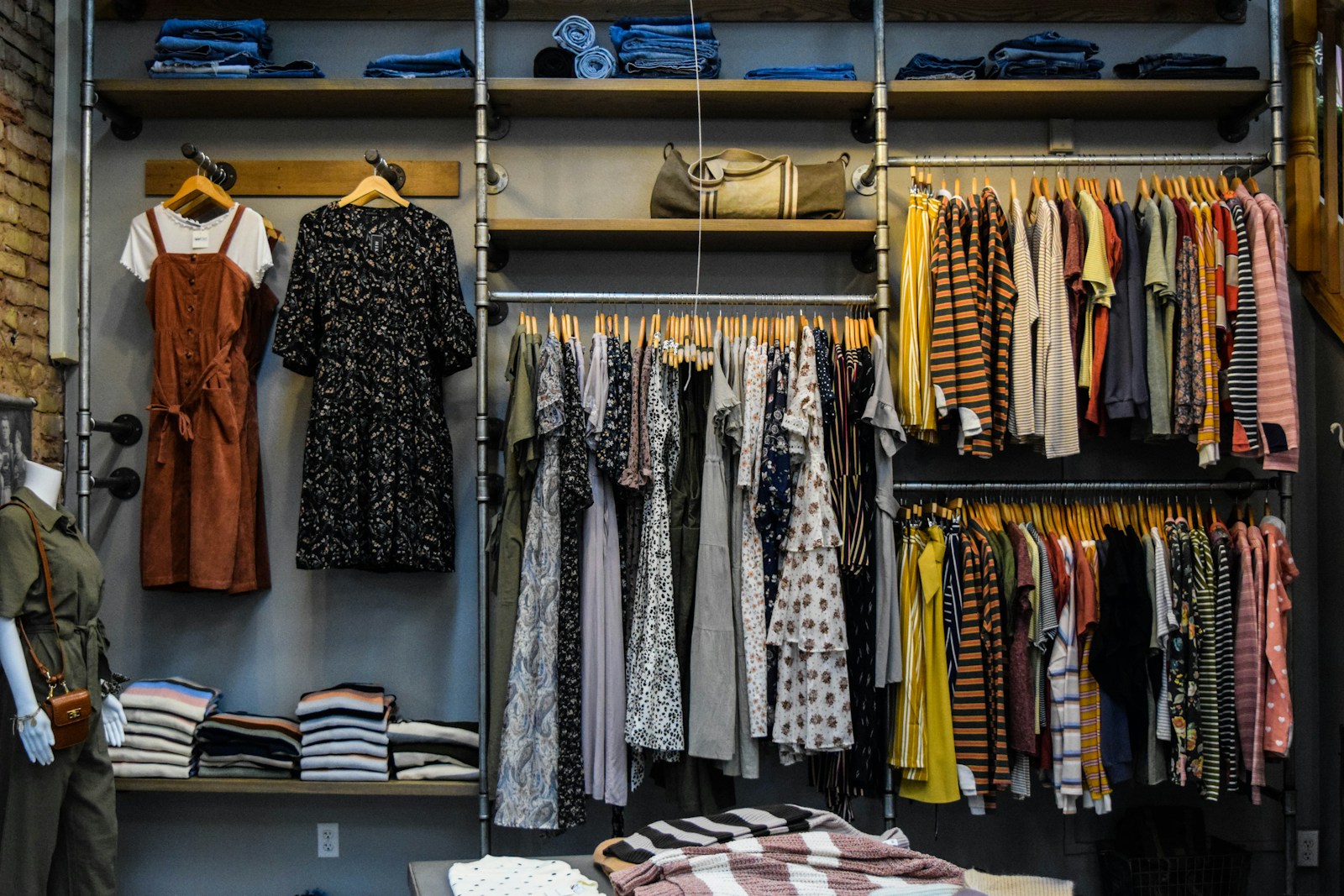
You’re not wrong to feel upset. Your dress is not just a piece of clothing; it represents your style, personal boundaries, and, to some extent, your trust in that friendship. This dilemma touches on crucial issues like mutual respect, communication, and the importance of setting boundaries. It’s essential to address this situation thoughtfully and assertively, ensuring that your feelings are acknowledged and respected.
Start With a Calm, Direct Conversation
The first step in resolving this issue is to have a calm and direct conversation with your friend. Approach them at a time when both of you can talk without distractions. Share your feelings honestly—let them know how upset you were to receive the dress back in that condition and how their comment made you feel.
This works because open communication is the foundation of any relationship. By expressing your feelings, you give your friend a chance to understand your perspective. Remember, it’s okay to set the tone of the conversation; your feelings matter, and voicing them is a step toward clarity.
Set Clear Boundaries and Expectations
Moving forward, it’s vital to establish clear boundaries regarding borrowing your belongings. If you’re comfortable lending out clothes, specify your expectations: how you’d like them treated and the importance of returning items in their original condition.
Setting boundaries is empowering. It allows you to define what is acceptable for you, fostering healthier relationships based on mutual respect. By laying out your expectations, you’re taking charge of your comfort and security.
Involve Your Partner Without Blaming Them
If your partner was involved in the situation—perhaps they were present when your friend returned the dress—consider discussing it with them. Share your feelings and seek their perspective, but be careful to avoid casting blame. For example, instead of saying, “You should have said something,” try, “I felt unsupported when my dress was returned stained.”
This approach works because it promotes teamwork while ensuring your partner understands your feelings. It’s crucial to present a united front when addressing issues within your social circle, reinforcing your bond and mutual support.
Offer Reasonable Alternatives
When discussing this issue with your friend, suggest reasonable alternatives for the future. Perhaps you’d be open to lending them something else that’s less precious to you or set a policy that they cannot borrow your clothes without asking first.
Offering alternatives creates a constructive path forward. It shows your willingness to maintain the friendship while also protecting your belongings. You’re not closing the door on lending; you’re just making it clear that certain items are off-limits.
Protect Your Home and Privacy Without Escalating Conflict
If your friend continues to dismiss your feelings or fails to acknowledge the issue, it’s important to protect your home and privacy. You may need to reconsider how much you share or lend to them in the future. This doesn’t mean cutting off the friendship but rather adjusting how you interact to ensure your boundaries are respected.
This strategy is effective because it emphasizes self-preservation without creating unnecessary conflict. By taking a step back, you allow yourself space to reassess the friendship and decide how to move forward based on mutual respect.
Reflect on the Friendship’s Value
Take some time to reflect on the value of this friendship. Ask yourself if this incident is a one-time mistake or part of a larger pattern of disrespect. A friendship should be a source of support and joy, not frustration and disappointment.
This reflection can empower you to make informed decisions about your relationships. It’s essential to surround yourself with people who appreciate your boundaries and treat your belongings with respect.
Closing
While this situation may feel overwhelming right now, remember that it can improve with open communication and the establishment of clear boundaries. Friendships can flourish when both parties feel respected and valued.
As you navigate this process, keep in mind that you deserve relationships that uplift you. Trust your instincts and stand firm in your feelings; they guide you toward healthier, more respectful connections in the future.
More from Cultivated Comfort:
- 7 Vintage Home Items From the ’60s That Are Collectors’ Dream Finds
- 7 Vintage Home Goods That Became Collectors’ Gold
- 7 Fast-Food Chains That Changed for the Worse
- 7 Frozen Dinners That Were Better Back in the Day

As a mom of three busy boys, I know how chaotic life can get — but I’ve learned that it’s possible to create a beautiful, cozy home even with kids running around. That’s why I started Cultivated Comfort — to share practical tips, simple systems, and a little encouragement for parents like me who want to make their home feel warm, inviting, and effortlessly stylish. Whether it’s managing toy chaos, streamlining everyday routines, or finding little moments of calm, I’m here to help you simplify your space and create a sense of comfort.
But home is just part of the story. I’m also passionate about seeing the world and creating beautiful meals to share with the people I love. Through Cultivated Comfort, I share my journey of balancing motherhood with building a home that feels rich and peaceful — and finding joy in exploring new places and flavors along the way.