It started as one of those tiny neighborhood quirks you barely notice. Trash day came and went, the big truck did its loud, clanky victory lap down the street, and everyone dragged their bins back toward garages and side yards like normal. Except, after a few weeks, two bins kept showing up in front of one specific house—mine.
At first, it looked like an honest mistake. Maybe they grabbed the wrong handles, maybe the wind nudged them, maybe the universe was doing that thing where it tests your patience with something too small to justify a dramatic reaction. But then it happened again. And again. And then, finally, there was an explanation: it was “more convenient for them.”
A Convenience That Somehow Landed on Someone Else’s Lawn
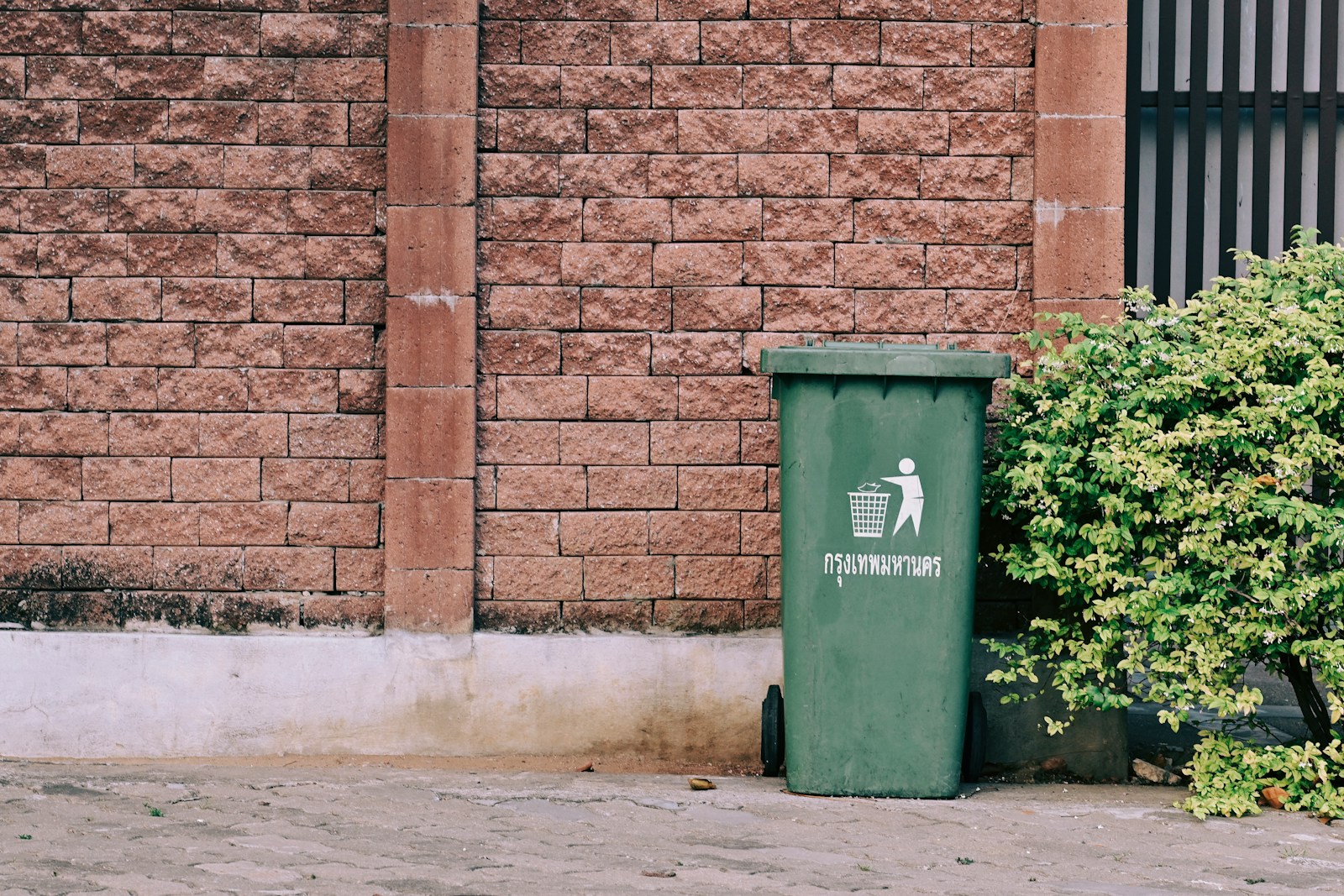
The couple across the street, friendly enough in a wave-from-the-driveway kind of way, started leaving their empty trash cans in front of my house after pickup. Not for an hour, not until they got home from work—sometimes for most of the day, and occasionally overnight. If you’re picturing two big plastic bins parked like they pay property taxes, you’ve got the scene.
When asked about it, the logic was surprisingly straightforward: since pickup happens on my side first, it’s easier for them to wheel their bins across early, then just… leave them there until it’s convenient to retrieve them later. Their convenience, it turns out, has excellent aim and always lands right in front of my curb.
When “No Big Deal” Starts Feeling Like a Big Deal
On paper, it’s not the end of the world. No one’s getting arrested by the Trash Can Police, and it’s not like the bins are actively on fire. But in real life, little impositions add up—especially when they’re repetitive, avoidable, and happen on your property without your consent.
There’s also the social math of it all. If you say nothing, you become the default storage lot. If you say something, you risk being labeled “that neighbor,” even though you’re not the one running a curbside bin valet service.
Curb Appeal, Parking, and the Silent Annoyance Factor
Most homeowners don’t realize how much those bins affect day-to-day routines until they’re not where they’re supposed to be. They can block street parking, interfere with mail delivery, or make it harder for guests to pull up without playing a quick game of “avoid the plastic obstacles.” And if you live in a neighborhood with tidy-lawn expectations, it’s hard not to feel like you’re being voluntold into someone else’s mess.
Even if the cans are empty, they’re still big, ugly, and prone to wandering. A gust of wind can tip them over. A curious raccoon can turn “empty” into “mysteriously full of trouble” if there’s residue inside. And somehow, the person staring at them from the window is you.
Why This Happens More Than You’d Think
Neighborhood boundary issues rarely start with malicious intent. More often, it’s a cocktail of convenience, habit, and the quiet belief that “nobody will mind.” Trash cans are especially ripe for this because they feel temporary—just a quick, weekly thing—until the weeks stack up and the pattern becomes policy.
There’s also a weird psychology to curb space. The street feels public, the curb feels shared, and the strip in front of your home can start to feel like a gray area to people who don’t want to think too hard about property lines. The easiest version of reality is the one where their problem becomes your background scenery.
The Awkward Conversation That Finally Happened
When the issue gets addressed, it usually doesn’t happen with a megaphone and a neighborhood meeting. It happens the way most modern disputes do: a polite comment, a slightly forced smile, and a lot of mental rehearsing beforehand. In this case, the question was simple—“Hey, could you bring your bins back after pickup instead of leaving them here?”—and the answer was the part that stung.
“It’s more convenient for us.” That one sentence carries a surprising amount of information. Not just about the bins, but about whose time and space gets prioritized in the neighborhood pecking order.
What Neighbors Say (and What They Usually Mean)
“More convenient” is one of those phrases that sounds harmless until you translate it. Often, it means: “I’ve decided my routine matters more than your annoyance.” Sometimes it means: “I don’t want to walk an extra minute.” And occasionally it means: “I assumed you wouldn’t push back.”
To be fair, some people genuinely don’t realize how intrusive it feels. They see an empty curb, not a specific home with a specific person who didn’t sign up for bin-sitting. But once it’s pointed out, continuing the habit turns it from clueless to inconsiderate pretty quickly.
The Unspoken Rules of Trash Day Etiquette
Most neighborhoods operate on a few basic assumptions: you place your bins out, they get emptied, and you bring them back in a reasonable amount of time. If you’re running late because of work or travel, you either accept that your cans will sit in front of your own house, or you ask a neighbor for help—meaning you ask, not assume.
The other unspoken rule is simple: don’t make your stuff someone else’s problem. It’s the same principle as not parking across someone’s driveway or letting your dog treat their lawn like a public restroom. Small courtesies keep the street feeling friendly instead of tense.
The Ripple Effect Nobody Plans For
Once one household starts using another’s curb as overflow space, it can spread. Other neighbors notice, and suddenly the street’s invisible boundaries get fuzzier. If the couple across the street can store bins wherever, why can’t someone else stash a trailer for a day or two?
And then there’s the simple matter of blame. If a bin tips over and spills gunk, or if a car clips it, or if someone complains to the city or HOA, the first address anyone looks at is the one it’s sitting in front of. It’s a little like having someone else’s luggage dropped at your front door and being told it’s your problem until they feel like picking it up.
A Neighborhood Moment That’s About More Than Plastic Cans
Trash cans are rarely the real issue. The real issue is respect—specifically, whether your home is treated like your space or like a convenient extension of someone else’s routine. The bins just happen to be the weekly reminder, right at eye level.
Most people don’t want conflict with neighbors, and that’s reasonable. But there’s a difference between being easygoing and being quietly inconvenienced on a schedule. If nothing changes after a polite request, it’s not “keeping the peace” anymore—it’s letting a dynamic set in where your boundaries don’t matter.
For now, the bins keep appearing like clockwork, and the street stays outwardly calm. But the story has already shifted from “funny little neighborhood quirk” to “okay, why is this happening to me?” And if there’s one thing trash day is good at revealing, it’s that the smallest routines can tell you a lot about how people think community works.
More from Cultivated Comfort:
- 7 Vintage Home Items From the ’60s That Are Collectors’ Dream Finds
- 7 Vintage Home Goods That Became Collectors’ Gold
- 7 Fast-Food Chains That Changed for the Worse
- 7 Frozen Dinners That Were Better Back in the Day

As a mom of three busy boys, I know how chaotic life can get — but I’ve learned that it’s possible to create a beautiful, cozy home even with kids running around. That’s why I started Cultivated Comfort — to share practical tips, simple systems, and a little encouragement for parents like me who want to make their home feel warm, inviting, and effortlessly stylish. Whether it’s managing toy chaos, streamlining everyday routines, or finding little moments of calm, I’m here to help you simplify your space and create a sense of comfort.
But home is just part of the story. I’m also passionate about seeing the world and creating beautiful meals to share with the people I love. Through Cultivated Comfort, I share my journey of balancing motherhood with building a home that feels rich and peaceful — and finding joy in exploring new places and flavors along the way.