It starts the way a lot of neighborhood annoyances start: quietly, almost innocently. One morning you notice a car cutting across the edge of your driveway, doing a quick little loop, then heading off like it’s part of a daily commute choreography. At first it’s barely a blip—until your driveway begins to look like it’s hosting a tiny NASCAR practice session at 7:12 a.m.
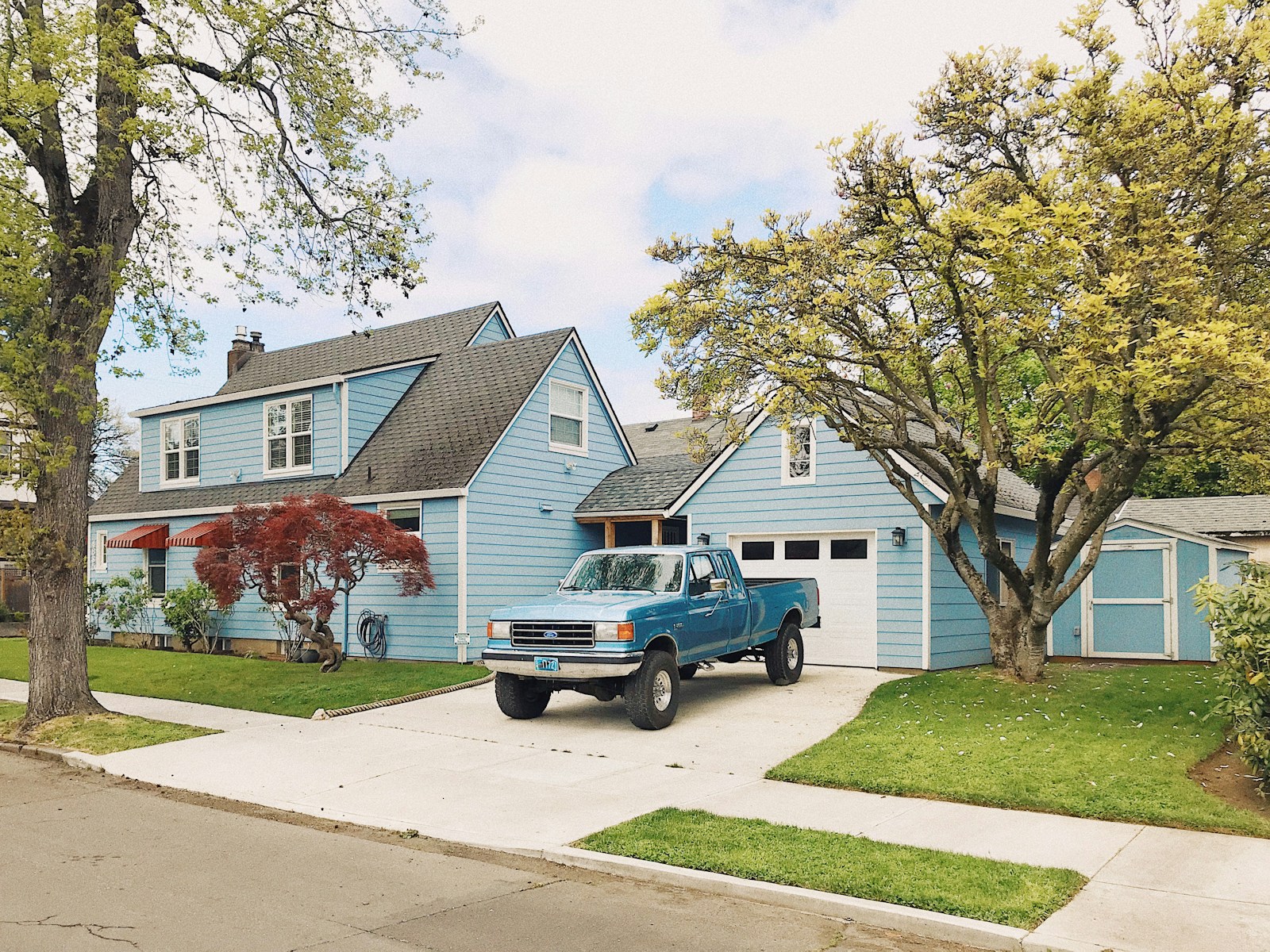
That’s the situation several homeowners say they’ve run into lately: a neighbor using their driveway as a personal turnaround because it’s “easier than backing out.” It’s not the end of the world, but it does leave a lingering question that feels both petty and deeply valid: why is your property suddenly a public convenience?
A Morning Routine No One Signed Up For
In many of these stories, the pattern is remarkably consistent. A neighbor pulls out of their garage or parking spot, realizes backing out is awkward (or they simply don’t feel like doing it), and decides the quickest solution is a three-point turn—using someone else’s driveway as the turning radius.
It’s easy to understand the temptation. Some streets are narrow, some driveways are steep, and backing out can feel like a daily mini-stress. Still, there’s a difference between “I did this once because a delivery truck blocked me” and “This is now my everyday route like your driveway is a municipal roundabout.”
Homeowners say the frustration really kicks in once it becomes routine. When you can predict the sound of tires on your pavement the way you can predict your coffee maker finishing, it stops feeling accidental and starts feeling… entitled.
The Tire Marks Make It Feel Personal
The biggest escalation isn’t always the act of turning around—it’s the evidence left behind. Tire marks, scuffs, crumbling edges, and that grimy rubber streak that somehow looks worse in sunlight can make a driveway feel less like part of your home and more like the shoulder of a highway.
Depending on the surface, repeated turning can do real wear. Asphalt can soften in heat, concrete can stain, and pavers can shift when a vehicle cuts a tight angle over the same spot day after day. Even if it’s “just marks,” there’s a difference between normal aging and damage caused by someone else’s convenience.
And yes, it can feel weirdly emotional. A driveway is one of those everyday spaces you don’t think about until something changes—then suddenly you’re looking at it like, “Wait, whose property is this again?”
Why Some Neighbors Think It’s Totally Fine
Part of the problem is that some people genuinely don’t see it as a big deal. Driveways feel semi-public to them because they’re visible from the street, and the line between “near your house” and “your property” gets fuzzy in their mind. If they’re not stepping inside your home, they assume it doesn’t count.
There’s also a practical mindset at play: it’s faster, safer, and simpler for them. If they’ve convinced themselves they’re being careful—no hitting mailboxes, no revving, no obvious damage—they may interpret silence as permission. And once a habit forms, it’s amazing how quickly it becomes “normal.”
Sometimes it’s not malice; it’s momentum. But momentum still leaves tire marks.
The Awkward Part: Saying Something Without Starting a Feud
For most homeowners, the tricky part isn’t knowing they dislike it—it’s how to address it without turning a minor issue into a frosty two-year standoff. Nobody wants to be the person “making a thing” out of a driveway. At the same time, ignoring it can feel like you’re signing an invisible contract that says, “Sure, go ahead forever.”
People who’ve handled it well often start with a casual, friendly check-in. Something like, “Hey, I noticed you’ve been turning around in my driveway in the mornings—could you stop doing that? It’s leaving marks and I’m trying to keep the pavement in good shape.” Clear, polite, and not a courtroom speech.
If that feels too direct, some go with a lighter touch first: “Morning! Quick favor—can you avoid using my driveway to turn around? I’m seeing tire marks and I’m trying not to worsen them.” It’s amazing how far “quick favor” can go when paired with a calm tone.
Small Fixes People Try Before Going Full Drama
Not everyone wants a face-to-face conversation right away, especially if the neighbor is unpredictable or already a bit prickly. In those cases, homeowners sometimes start with subtle cues: parking a car near the end of the driveway, placing a trash bin strategically on turning days, or using reflective markers along the edge. It’s not about booby-trapping anything—it’s about making the “easy” option slightly less easy.
Some people put up a small sign near the driveway entrance. Something simple like “Private Driveway—Please Do Not Turn Around” can work better than you’d think, especially if the neighbor is the type who responds to clear boundaries rather than conversations.
Others add landscaping features: a rock border, a planter, a short row of shrubs set back safely from the street. It can make the property line more visually obvious, which helps deter the casual “I’ll just swing in here” behavior. Bonus: it makes your front yard look nicer, which is a much more charming motivation than “please stop grinding your tires on my driveway.”
What If They Don’t Stop?
If a polite request doesn’t work, the situation shifts from awkward to actionable. Homeowners who’ve dealt with repeat offenders often start documenting: dates, times, photos of tire marks, and (if available) doorbell camera clips. It’s not about being dramatic; it’s about having a record in case it escalates or damage worsens.
Some neighborhoods have HOAs that handle property-use disputes, and in certain cases, a formal notice can do what friendly conversation didn’t. If there’s significant damage, people may look into local ordinances or ask a non-emergency police line about options, especially if the behavior becomes aggressive or involves driving onto the property beyond the driveway edge.
Most of the time, it doesn’t get that far. But the key point homeowners emphasize is that you’re allowed to set boundaries on your property—even if the boundary is “please don’t use this as your personal turning lane at dawn.”
Why This Little Issue Feels Bigger Than It Looks
A driveway turnaround seems minor until you realize what it represents: someone repeatedly choosing their convenience over your space. It can feel like a tiny daily dismissal, the kind that builds irritation one tire mark at a time. And because it’s “small,” you can end up feeling silly for caring, which only makes it more annoying.
But it’s not silly to care. A home is made up of small, ordinary places—front steps, fences, driveways—and those places matter because they’re yours. If a neighbor wants an easier turnaround, the simplest solution isn’t your pavement. It’s them practicing backing out like the rest of us, preferably without leaving skid art as a parting gift.
More from Cultivated Comfort:
- 7 Vintage Home Items From the ’60s That Are Collectors’ Dream Finds
- 7 Vintage Home Goods That Became Collectors’ Gold
- 7 Fast-Food Chains That Changed for the Worse
- 7 Frozen Dinners That Were Better Back in the Day

As a mom of three busy boys, I know how chaotic life can get — but I’ve learned that it’s possible to create a beautiful, cozy home even with kids running around. That’s why I started Cultivated Comfort — to share practical tips, simple systems, and a little encouragement for parents like me who want to make their home feel warm, inviting, and effortlessly stylish. Whether it’s managing toy chaos, streamlining everyday routines, or finding little moments of calm, I’m here to help you simplify your space and create a sense of comfort.
But home is just part of the story. I’m also passionate about seeing the world and creating beautiful meals to share with the people I love. Through Cultivated Comfort, I share my journey of balancing motherhood with building a home that feels rich and peaceful — and finding joy in exploring new places and flavors along the way.