Airplane etiquette has a way of turning ordinary people into amateur philosophers at 30,000 feet. One recent travel tale making the rounds online starts with a familiar setup: meal service rolls around, trays come down, and the seat in front suddenly drops back like it’s trying to become a lay-flat bed.
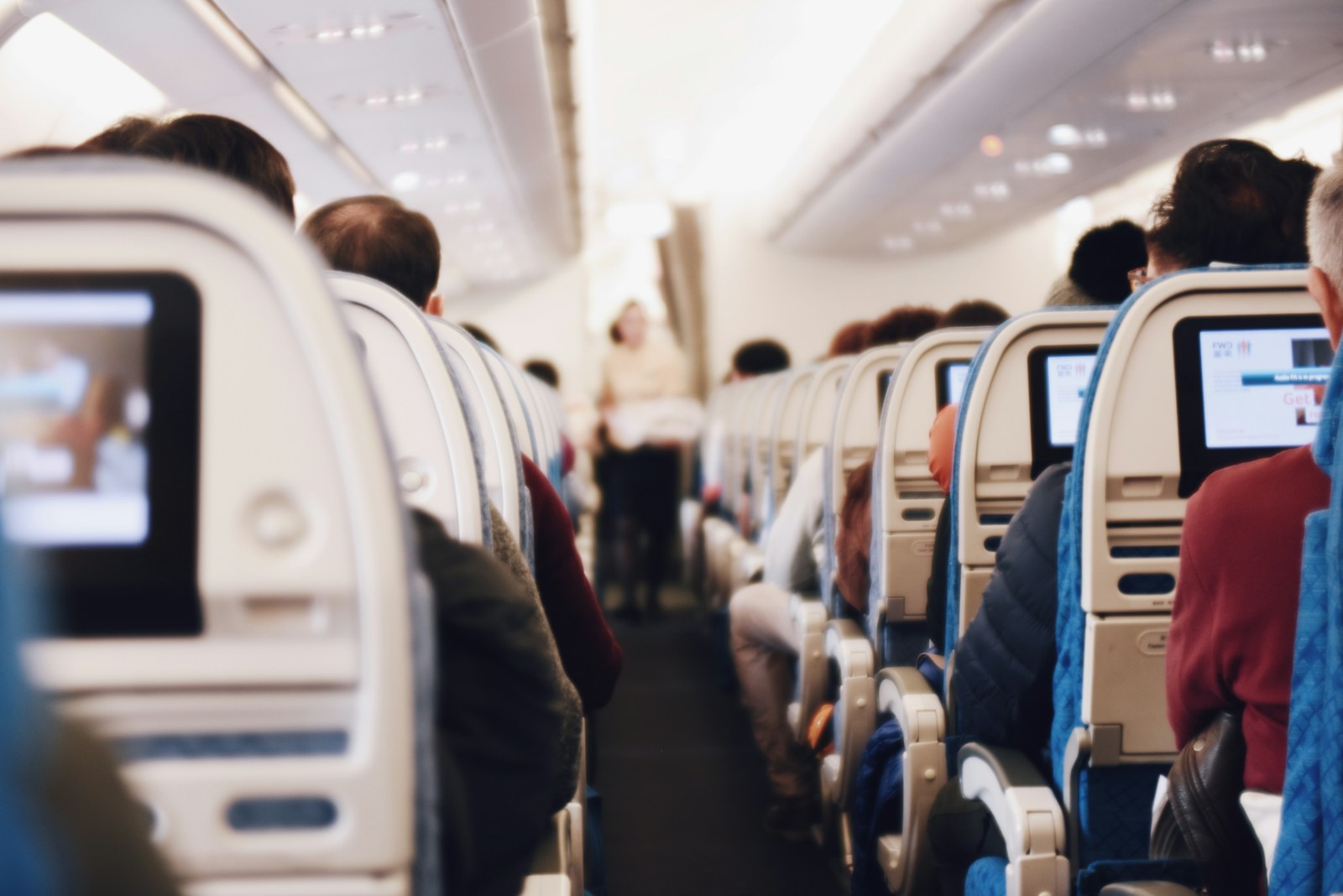
The passenger behind—mid-unwrapping a tiny butter packet and bracing for a plastic-lidded entrée—says the recline felt less like a gentle tilt and more like a surprise event. When they asked if the person could sit up just until trays were cleared, the response was blunt: it’s “her right to use the seat.”
A mid-flight standoff, served with a side of chicken or pasta
According to the account, the recline happened right as drinks and meals were being passed down the aisle. The tray table still functioned, technically, but the space shrank enough that eating became a careful, elbows-tucked operation.
What really got under the storyteller’s skin wasn’t the recline itself—it was the timing. Meal service is one of the few moments where everyone’s personal space is already under pressure, and a sudden seatback in your lap can turn “dinner” into “advanced geometry.”
Is reclining actually a “right” on a plane?
This is where things get interesting, because the answer is both yes and not exactly. Airlines sell you a seat, and most economy seats are designed to recline, so you’re allowed to use that feature unless the crew instructs otherwise (like during takeoff and landing).
But “allowed” and “considerate” aren’t always the same thing, and planes are basically flying group projects. You can technically do a lot of things that make the cabin miserable—like watching videos with no headphones or treating the armrest like it’s deeded property—but people will remember you for it.
Why meal service makes reclining feel so much worse
Reclining during the quiet middle of a flight is one thing; reclining during meal service hits differently. That’s because the tray table becomes your entire dining room, and losing even a couple inches of clearance can mean crushed knees, spilled drinks, and a tray that doesn’t sit quite right.
On many aircraft, the seatback in front is also where your screen lives, where your table locks in, and where your stuff tends to cluster. When it swings closer, you’re not just losing space—you’re losing access and comfort all at once.
What the etiquette “unwritten rules” usually say
If you ask frequent flyers what’s normal, you’ll hear a pretty consistent set of social guidelines. Recline slowly, check behind you first, and if someone’s actively eating, working, or clearly cramped, consider waiting a bit or compromising on a partial recline.
That’s not because the person behind “owns” your seatback, but because the cabin is shared space with shared consequences. The classic decent-move is to recline after meal trays are cleared, or to ask, “Mind if I lean back a little?”—a sentence that costs nothing and buys a lot of goodwill.
The other side: why someone might recline anyway
To be fair, there are real reasons people recline even at inconvenient times. Someone might have back pain, be recovering from an injury, or be trying to sleep on a long-haul where rest is the whole point of the ticket.
And sometimes the timing is just clueless, not cruel. Plenty of travelers don’t realize meal service has started behind them, especially if they’re wearing headphones, facing forward, and living in their own little survival bubble.
What flight attendants typically can (and can’t) do
Cabin crew can enforce safety rules—upright seats for takeoff and landing, trays stowed when required, aisles clear, that kind of thing. Reclining during meal service usually isn’t prohibited, but attendants can ask passengers to be considerate if a situation is escalating or if it’s interfering with service.
If a recline prevents your tray from being used safely or leads to spills, a flight attendant may suggest a temporary adjustment. In practice, though, crews often aim to defuse conflict rather than referee every seatback angle, because there are 200 people onboard and only so many minutes of peace.
How to handle it without turning your row into a reality show
If you’re stuck behind a fully reclined seat during a meal, the calmest first step is a polite, specific ask: “Hi—would you mind sitting up just during meal service? My tray’s a bit squeezed.” Keeping it about the practical issue (space for eating) tends to work better than framing it as a moral failing.
If they refuse, avoid pushing the seat or making little passive-aggressive “accidental” bumps. That rarely changes their mind and almost always raises the cabin temperature by ten degrees.
Instead, you can try the flight attendant route, especially if you’re spilling drinks or can’t use the tray at all. A simple, quiet request—“Is there any chance you can help? I can’t really eat like this”—lets the crew address it without turning it into a public debate about who’s right.
What this story taps into: shrinking space and bigger feelings
These clashes aren’t just about the hinge on a seat; they’re about how tight modern economy travel has become. When legroom is already minimal, a recline can feel less like a comfort feature and more like an invasion, even if no one intended it that way.
And because flying is stressful—delays, connections, strange noises, the mystery of where your gate agent disappeared to—people’s patience is thinner than usual. Add food trays, hot drinks, and the fact that nobody can walk away, and you’ve got the perfect recipe for an argument over three inches of space.
So who’s “right” here?
The passenger in front is correct in the narrowest sense: if the seat reclines and the crew hasn’t asked for upright seats, she’s generally allowed to recline. But the traveler behind isn’t wrong for thinking meal service is a reasonable moment to sit up for a bit, especially if the recline makes eating difficult.
In other words, it’s one of those situations where “right” isn’t the same as “nice,” and “nice” isn’t always easy when you’re tired and cramped. The best flights aren’t the ones where everyone insists on their rights—they’re the ones where people use a little discretion, recline gently, and remember there’s a human being a few inches behind them trying not to wear their dinner.
More from Cultivated Comfort:
- 7 Vintage Home Items From the ’60s That Are Collectors’ Dream Finds
- 7 Vintage Home Goods That Became Collectors’ Gold
- 7 Fast-Food Chains That Changed for the Worse
- 7 Frozen Dinners That Were Better Back in the Day

As a mom of three busy boys, I know how chaotic life can get — but I’ve learned that it’s possible to create a beautiful, cozy home even with kids running around. That’s why I started Cultivated Comfort — to share practical tips, simple systems, and a little encouragement for parents like me who want to make their home feel warm, inviting, and effortlessly stylish. Whether it’s managing toy chaos, streamlining everyday routines, or finding little moments of calm, I’m here to help you simplify your space and create a sense of comfort.
But home is just part of the story. I’m also passionate about seeing the world and creating beautiful meals to share with the people I love. Through Cultivated Comfort, I share my journey of balancing motherhood with building a home that feels rich and peaceful — and finding joy in exploring new places and flavors along the way.