It happened in the kind of parking lot that makes you question your life choices. Every aisle was jammed, hazard lights were flashing like a low-budget disco, and drivers were creeping around with the laser focus of people hunting for the last lifeboat. You know the vibe: nobody’s having fun, but everyone’s convinced their errand is the most urgent one.
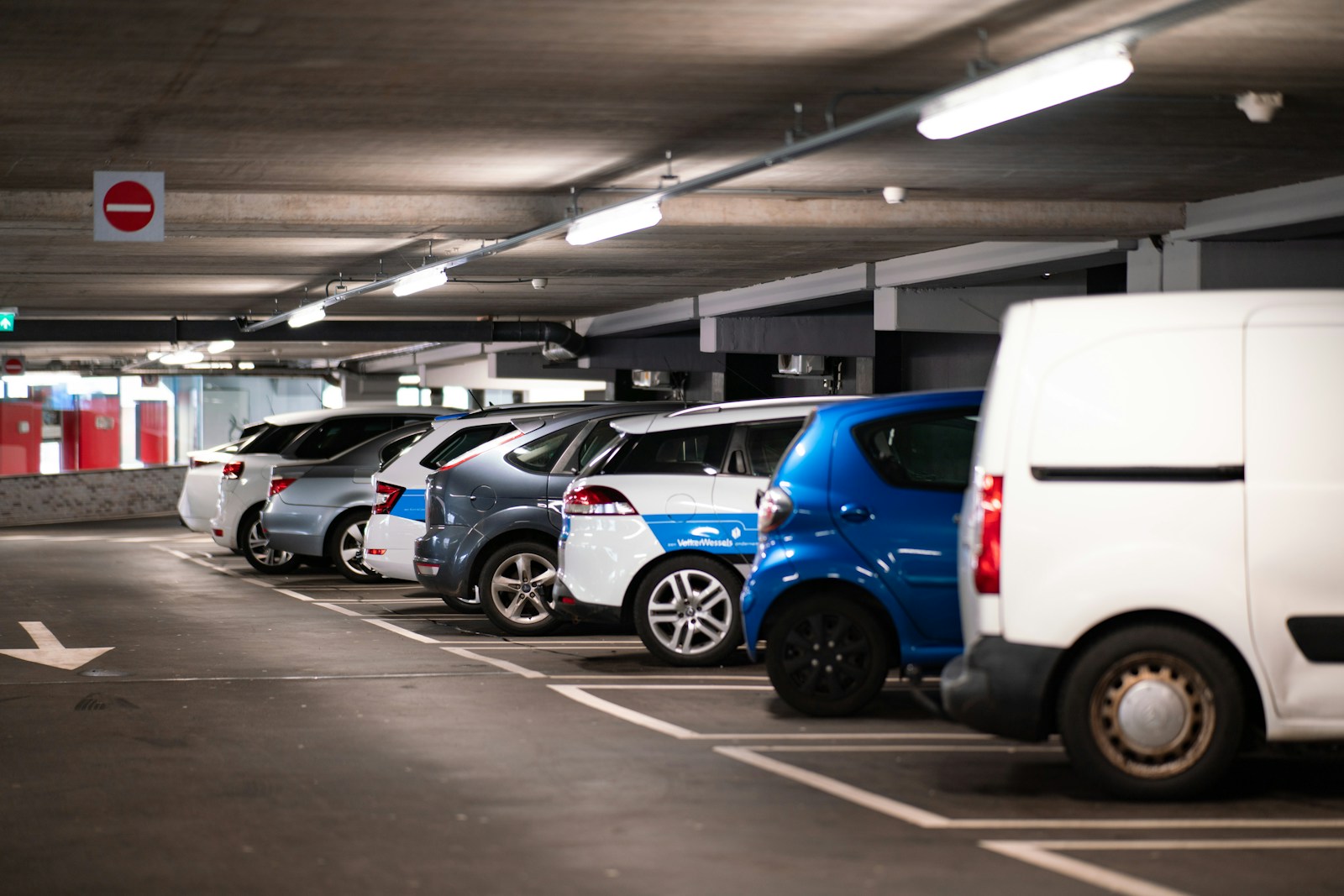
That’s when one shopper—keys in hand, bag over shoulder—headed toward their car and realized they’d picked up a shadow. A driver had been trailing them down the row, inching behind like they were attached by an invisible tow rope, clearly banking on one thing: the moment the car door opened, a parking spot would magically appear.
A Slow Walk Becomes a High-Stakes Chase
The shopper, who asked not to be named because “parking lot drama shouldn’t follow you home,” said the driver started tailing them from the moment they stepped off the sidewalk. “At first, I thought they were just going the same way,” they said. “But then I realized they were matching my pace. Like… dangerously committed to my trunk.”
In crowded lots, this isn’t exactly rare. People “stalk” a spot all the time, betting on the odds that someone is leaving. What felt different here, the shopper said, was the intensity: the driver wasn’t just waiting nearby—they were positioned to pounce.
“You’re Taking Too Long,” Said the Person Who Wasn’t Even Parked
When the shopper reached their vehicle, they started doing normal human things: loading bags, buckling up, checking mirrors. That’s when the driver’s patience snapped. According to the shopper, the driver rolled down their window and complained, “You’re taking too long.”
It’s an oddly bold statement in a space where nobody is entitled to anything except not hitting a cart return. Still, the message was clear: hurry up, because I’ve decided your spot is mine. And if social pressure could physically move a car, this driver was trying to weaponize it.
The Move: Sliding In Before the Car Was Even Out
Then came the part that turned annoying into genuinely unsafe. As the shopper began to pull out, the driver tried to angle into the spot before it was fully vacated. Not “waiting with a blinker on” behavior—more like “squeezing into a doorway while someone’s still walking through it.”
The shopper said they stopped immediately, worried about a collision. “I didn’t want to hit them, but I also wasn’t going to reverse back in and pretend that was normal,” they said. For a few tense seconds, both cars were frozen in an awkward geometry problem: one trying to exit, the other trying to enter, neither with enough space to do it safely.
Why This Feels So Personal (Even When It’s Not)
Parking lots do funny things to people. There’s the scarcity mindset—no spots, lots of circling, and the creeping feeling that someone else is going to snag the one you’ve “earned” through sheer persistence. Add in tight lanes, pedestrians, shopping carts, and the fact that nobody can read anyone else’s mind, and you’ve got a recipe for snap judgments.
Experts who study everyday aggression often point to situations like this as “low-stakes conflict with high emotion.” It’s not actually about the parking spot, not entirely. It’s about frustration, time pressure, and the little story people tell themselves: “If you’d just move faster, my life would be easier.”
The Unwritten Rules of Spot-Claiming
Most drivers understand a basic etiquette: if someone is backing out, you wait. If someone is loading their trunk, you can hover at a respectful distance, but you don’t crowd them like you’re auditioning for a bumper-to-bumper remake of their day. And if someone needs a minute—because kids, because mobility issues, because they’re just trying to locate their phone—that minute is not a personal attack.
Trying to take a space before it’s open crosses from “rude” into “risking a fender-bender.” It can also put pedestrians in a bad spot, because when drivers get competitive, they stop scanning for people and start scanning for angles. The parking lot becomes less “shared space” and more “arena,” which is never a great development near shopping carts.
What the Shopper Did Next
The shopper kept their car still until the other driver backed off enough to make a safe exit possible. “I didn’t want to engage,” they said. “I just wanted to leave without my afternoon turning into a story I’d have to tell an insurance adjuster.”
Once there was room, they pulled out smoothly, stayed alert for pedestrians, and didn’t take the bait. The other driver, apparently satisfied once the spot was fully available, slid in. No apology, no wave—just the silent triumph of someone who believes impatience is a strategy.
How to Handle It If It Happens to You
If you ever find yourself in the same situation, the safest move is usually the least dramatic one: take your time, stay predictable, and don’t rush your backing-out process because someone’s performing impatience behind you. Check mirrors, check blind spots, and assume pedestrians can appear out of nowhere—because they do. A honk or a complaint doesn’t change physics.
If another driver tries to nose into the spot early, stopping is often smarter than trying to “finish the maneuver” and hoping they’ll magically cooperate. You can gesture calmly for them to wait, but you don’t owe them a conversation. And if they escalate—yelling, blocking you in, getting out of the car—lock your doors, keep distance, and consider calling store security or non-emergency police if you feel threatened.
Why This Story Is Getting So Much Attention
People relate to parking lot tension because it’s one of those universal modern experiences. Almost everyone has had that moment of circling, spotting someone with keys, and thinking, “Please, let it be my turn.” But most of us also know the line between hopeful and hostile.
This incident hit a nerve because it shows how quickly basic impatience can turn into entitlement—and how entitlement can slide into risky behavior in a place designed for low-speed, high-awareness driving. It’s a reminder that the smallest conflicts can still have real consequences. And honestly, no parking spot is worth a dented bumper or a shaky drive home.
More from Cultivated Comfort:
- 7 Vintage Home Items From the ’60s That Are Collectors’ Dream Finds
- 7 Vintage Home Goods That Became Collectors’ Gold
- 7 Fast-Food Chains That Changed for the Worse
- 7 Frozen Dinners That Were Better Back in the Day

As a mom of three busy boys, I know how chaotic life can get — but I’ve learned that it’s possible to create a beautiful, cozy home even with kids running around. That’s why I started Cultivated Comfort — to share practical tips, simple systems, and a little encouragement for parents like me who want to make their home feel warm, inviting, and effortlessly stylish. Whether it’s managing toy chaos, streamlining everyday routines, or finding little moments of calm, I’m here to help you simplify your space and create a sense of comfort.
But home is just part of the story. I’m also passionate about seeing the world and creating beautiful meals to share with the people I love. Through Cultivated Comfort, I share my journey of balancing motherhood with building a home that feels rich and peaceful — and finding joy in exploring new places and flavors along the way.