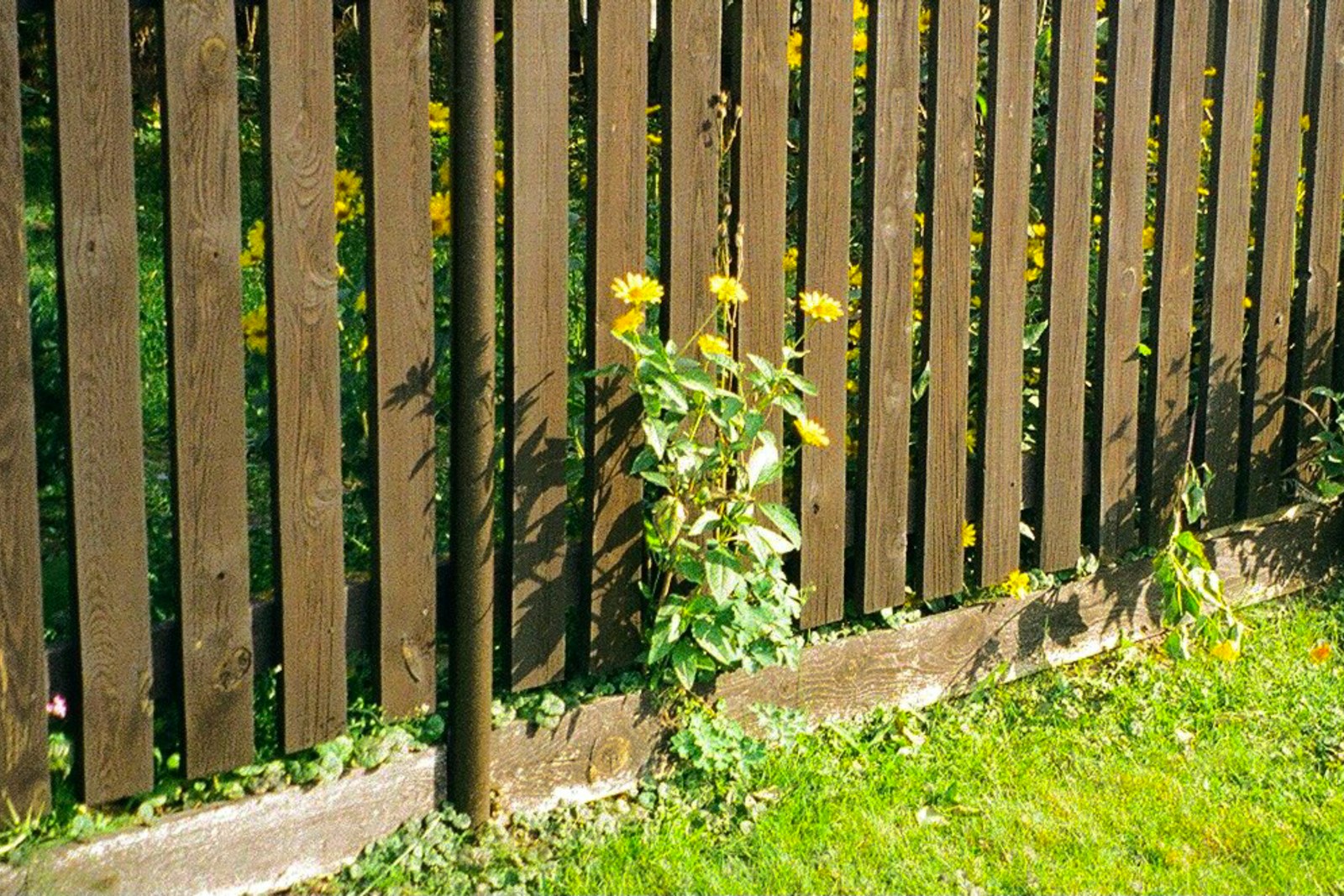
It started the way a lot of modern neighborhood dramas do: with a Saturday morning coffee and a sudden, confusing vibe shift in the backyard. One day the shared fence was the usual weathered, neutral tone that basically blends into the background like a polite houseguest. The next, it was a deep, moody dark color—think “designer charcoal” with strong opinions.
The kicker wasn’t even the paint job itself. It was what came after, when the neighbor casually explained they didn’t ask first because the original shade “looked cheap anyway.” If you’ve ever had someone insult your home choices like they were critiquing a bad outfit, you already know how fast a fence can become personal.
A Fresh Coat of Paint… and a Fresh Batch of Tension
Neighbors paint fences all the time, and plenty of shared boundaries get updated without drama. But this one landed differently because it wasn’t just a change—it was a unilateral decision on something both households see, live with, and technically share. A fence isn’t a throw pillow; it’s a physical line that affects privacy, resale vibes, and the overall look of a yard.
Dark fence colors are trendy, sure. They can make greenery pop and look sleek in photos, the way a black turtleneck looks classy even when you’re just tired. But trends don’t automatically override the basic courtesy of asking the person on the other side of the boards.
What Makes a Fence “Shared,” Anyway?
The definition of “shared fence” is where things get interesting, because it’s not always obvious. In some neighborhoods, fences sit directly on the property line and are jointly owned or treated as a shared responsibility. In others, one homeowner owns the fence even if it visually functions as a divider between both yards.
If you’re not sure, the boring-but-useful answer is: check your property survey, closing documents, or local property records. Sometimes you can tell by the posts and rails—often the “finished” side faces outward, but that’s more tradition than legal proof. The point is, ownership matters because it affects who gets to change what, and how permission should work.
The Comment That Turned Paint Into an Insult
People can handle a lot when it’s framed as practical: “I repaired a section,” or “I sealed it so it doesn’t rot.” But “it looked cheap” is a different category. That’s not just a design preference—it’s a little jab, whether they meant it that way or not.
And the thing about these comments is they don’t just land on the fence. They land on your taste, your home, and the unspoken assumption that you’re supposed to agree. It’s the homeownership equivalent of someone rearranging your furniture and then telling you your old layout was embarrassing.
Why Dark Paint Can Be More Than an Aesthetic Choice
Dark paint can look sharp, but it can also change how a space feels. Some backyards suddenly look smaller or more enclosed when the boundary goes from light and airy to dark and visually “heavier.” If your yard doesn’t get tons of sunlight, a darker fence can make the whole area feel a little more cave-like, even if the paint job is flawless.
There are practical issues, too. Dark colors can absorb more heat, which may affect how the wood expands and contracts over time. Depending on the type of fence and paint, it could mean more maintenance, faster fading, or peeling if the prep work wasn’t great.
How These Situations Usually Play Out in Real Life
Most neighbors aren’t trying to start a feud over a fence. Usually, they’re thinking: “I’m improving the property,” “I’m paying for it,” or “It’s on my side, so it’s my call.” Sometimes they’re simply unaware that the fence is considered joint—or they assume “asking” is optional if they see it as an upgrade.
But the person who gets surprised by the change tends to feel cornered. Suddenly you’re reacting instead of collaborating, and that’s where resentment grows. The fence becomes a symbol for something bigger: respect, communication, and whether you get a say in the space you live next to every day.
What You Can Do (Without Turning It Into a Backyard Cold War)
The first step is weirdly simple: take a breath and document what changed. A couple clear photos from your side—before and after if you have them—can be useful if this escalates. It’s not about being dramatic; it’s about having a record in case you need it later.
Then, consider what outcome you actually want. Do you want it repainted to the original color, repainted to something you both choose, or are you mostly upset about the lack of consent and the rude comment? Knowing your goal helps you avoid a spiral where every conversation turns into “yes but you said it looked cheap.”
Talking to the Neighbor: Keep It Calm, Keep It Specific
If you decide to address it directly, aim for a conversation that’s firm but not explosive. Something like: “I was surprised to see the fence painted without a heads-up. Since it affects both of our yards, I’d like us to agree on changes like that in the future.” That’s clear, fair, and hard to argue with unless someone is committed to being difficult.
If the “cheap” comment is still ringing in your ears, you can name it without escalating. “Also, the comment about it looking cheap didn’t sit well with me. We can disagree on style, but I’d rather keep things respectful.” It’s not a scolding—it’s setting a boundary, which is fitting, given the topic.
When It’s Time to Check the Rules
If the neighbor is dismissive, the next move is figuring out what the official guidelines say. Some HOAs have strict rules about fence colors and finishes, especially for street-facing areas or consistent neighborhood aesthetics. Even without an HOA, local ordinances and property-line rules can come into play, particularly if the fence sits on the boundary.
This is also where the ownership question matters. If it’s your fence, their painting it could be a bigger issue. If it’s their fence, you may have less control over the color, but you can still push for better communication—and in some cases, there are standards about how the “neighbor-facing” side should be maintained or treated.
The Social Fallout No One Talks About
The hard part isn’t always the paint. It’s the awkward wave the next time you’re both getting mail, or the sudden feeling that your backyard is a shared group project where you didn’t get invited to the meeting. These little conflicts can make home feel less restful, which is unfair, because your yard is supposed to be your low-stress zone.
On the other hand, neighbor relationships can recover faster than you’d think if both people can reset. A simple “I should’ve asked first” goes a long way, and so does “I don’t love the color, but I’d rather we stay on good terms.” It’s amazing how far basic adult communication can stretch—like, further than fence paint, honestly.
A Fence Is Just Wood… Until It Isn’t
This kind of story spreads because it’s relatable: a small home change that turns into a big feelings situation. Nobody buys a house thinking they’ll need conflict-resolution skills over staining and shade palettes. Yet here we are, living in a world where “charcoal” can be both a color and a plot twist.
If there’s a silver lining, it’s that these moments clarify expectations. A quick agreement—text, email, even a casual “we’ll always check in before changes”—can prevent the next surprise project. Because if someone’s willing to repaint a shared fence without asking, you don’t want to wake up one morning to matching garden gnomes and be told your old yard “lacked vision.”
More from Cultivated Comfort:
- 7 Vintage Home Items From the ’60s That Are Collectors’ Dream Finds
- 7 Vintage Home Goods That Became Collectors’ Gold
- 7 Fast-Food Chains That Changed for the Worse
- 7 Frozen Dinners That Were Better Back in the Day

As a mom of three busy boys, I know how chaotic life can get — but I’ve learned that it’s possible to create a beautiful, cozy home even with kids running around. That’s why I started Cultivated Comfort — to share practical tips, simple systems, and a little encouragement for parents like me who want to make their home feel warm, inviting, and effortlessly stylish. Whether it’s managing toy chaos, streamlining everyday routines, or finding little moments of calm, I’m here to help you simplify your space and create a sense of comfort.
But home is just part of the story. I’m also passionate about seeing the world and creating beautiful meals to share with the people I love. Through Cultivated Comfort, I share my journey of balancing motherhood with building a home that feels rich and peaceful — and finding joy in exploring new places and flavors along the way.