It started like most road trips do: snacks in the cupholders, a full tank, and that optimistic belief that two adults with a shared playlist can conquer a highway together. The plan was simple—one long drive, a few scenic breaks, and a weekend away. Somewhere around mile 60, though, the trip took a different turn.
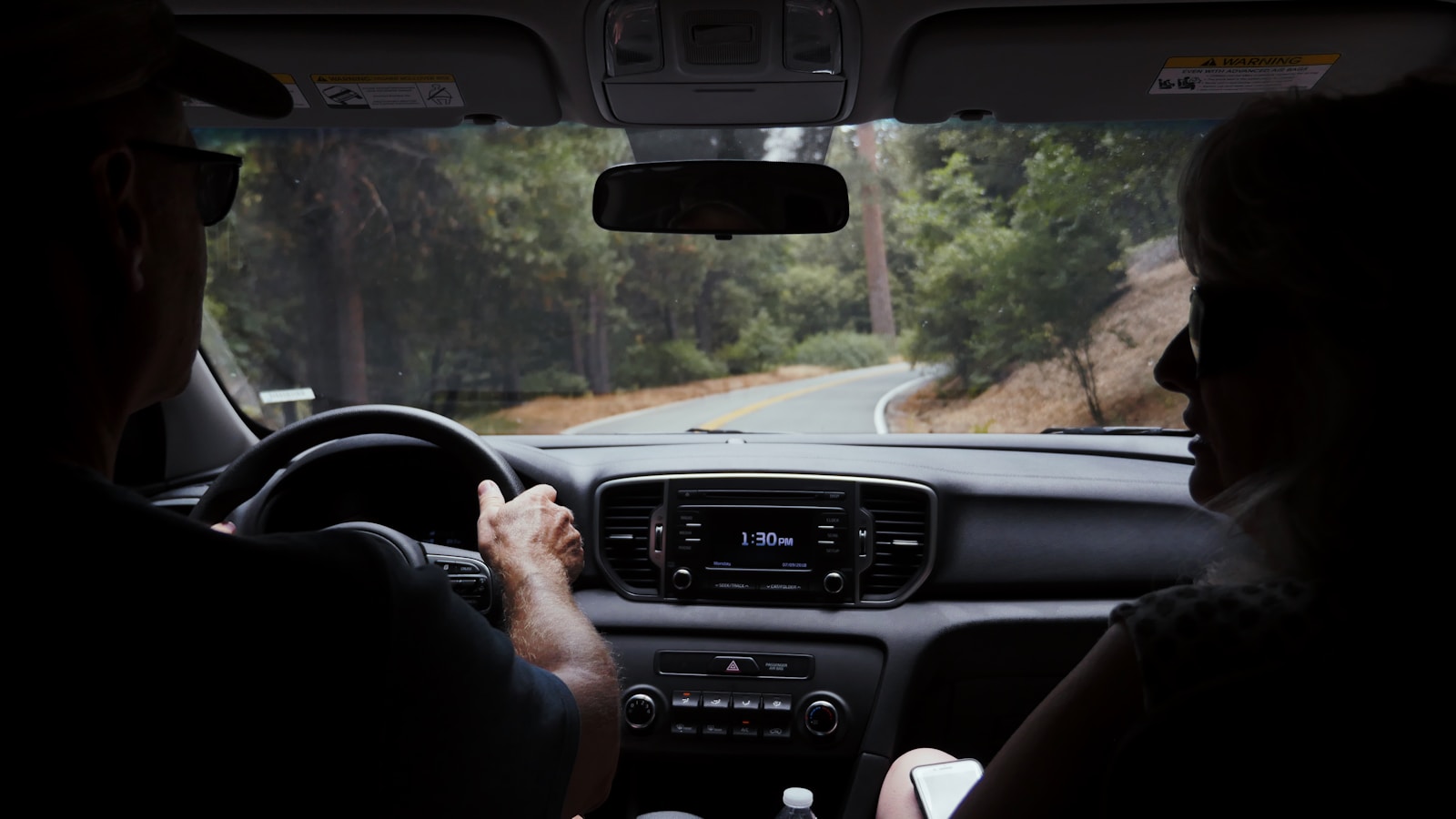
My friend, riding shotgun, began offering “helpful” notes with the steady rhythm of a metronome. Not big, dramatic complaints—more like a continuous drip of corrections. By the time we hit the first stretch of open road, it wasn’t just a drive anymore; it felt like a live audition for “America’s Next Top Chauffeur.”
The Driving: “You’re a Little Close” (On Repeat)
The first critique was delivered with a cheerful tone, which almost made it worse. “You’re kind of close to that truck,” she said, even though we were in a normal, safe flow of traffic. A few minutes later it was, “You’re braking kind of late,” followed by, “You should switch lanes earlier.”
None of it was framed as a request, and none of it came with the calming energy of someone who’s actually scared. It was more like she’d appointed herself my unofficial driving coach, issuing a steady stream of notes as if I were trying out for a role. I found myself gripping the wheel harder, not because the road was hard, but because I was trying to drive “correctly” in a way that would finally make the commentary stop.
The Music: Every Song Was Apparently a Choice I’d Regret
Then came the playlist review, which somehow managed to be both constant and vague. If I put on something upbeat, it was “a little intense for driving.” If I switched to something calmer, it was “kind of boring.” When I tried a podcast, she asked if we could do “something less talky,” and when I went back to music, she said it was distracting.
At one point she sighed and said, “I just don’t know how you can focus with this on.” The funny part is I’ve driven for years with music playing, like most people who aren’t trying to recreate a silent meditation retreat in a moving vehicle. Still, I started flipping stations like I was trying to defuse a bomb, half expecting her to say, “Nope, that one’s also wrong.”
Rest Stops Became a Debate, Not a Break
The critiques didn’t even pause when we stopped driving. When I mentioned pulling over for coffee and a bathroom break, she told me we should “just push through” because we were “making good time.” Ten minutes later, she asked why I hadn’t planned stops more strategically.
When we did stop, she had thoughts about the location, the timing, and how long it took. “Do you really need to go in there?” became a recurring line, as if using a restroom on a road trip was a quirky personal hobby I’d taken up for attention. By the time I grabbed a bottle of water, it felt like I should’ve also picked up a permission slip.
“I’m Only Trying to Help” and Other Phrases That Don’t Help
Eventually, I said something—carefully, because I didn’t want to turn the car into a courtroom. I told her the constant feedback was stressing me out and making it harder to focus. She looked surprised, then a little offended, and hit me with the classic: “I’m only trying to help.”
It’s such a loaded phrase because it sounds generous, but it can land like a shield. Suddenly, you’re not responding to the behavior; you’re responding to their intent. And if their intent was “helpful,” then you’re cast as the ungrateful one for not appreciating the running commentary on your lane changes.
Why It Happens: Anxiety, Control, and the Myth of the Perfect Passenger
If you’ve ever been in a car with someone who narrates every decision, it’s often not really about you. Sometimes it’s anxiety—being a passenger can make people feel powerless, and commentary becomes their way of feeling involved. Other times it’s a control thing, where “helping” is just a nicer word for “directing.”
And to be fair, some people grew up in families where constant feedback was normal. They don’t realize it’s grating because to them, it’s just conversation. But impact matters more than intention on a long road trip, especially when the driver is already doing the work of staying alert and keeping everyone safe.
How the Trip Shifted: From Fun Getaway to Tense Commute
The weirdest part was how quickly the mood changed. Instead of chatting and laughing, I got quieter, and she got more talkative, filling the silence with “suggestions.” Every time I made a choice—music, speed, stop timing—I braced for feedback.
It’s exhausting to feel like you’re being evaluated for hours. Driving is already a task; adding social tension turns it into a performance. By the halfway point, I wasn’t thinking about the destination anymore. I was thinking about how long until I could park and just exist without being coached.
What People Are Saying: “Help” Needs Consent
This kind of situation has been popping up more in everyday conversations, especially as more friends plan budget-friendly trips and share cars to save money. Relationship experts and therapists often point out that unsolicited advice—especially repetitive advice—can feel like criticism even when it’s well-meant. The key difference is consent: did the driver ask for input, or is the passenger volunteering it nonstop?
Plenty of seasoned travelers swear by a simple rule: the driver gets to set the tone. That doesn’t mean passengers can’t speak up if they feel unsafe, but there’s a big gap between “Hey, can you slow down?” and “You should’ve merged back there, also this song is wrong, also your rest stop strategy is questionable.”
How to Handle It Without Starting a Fight at 70 MPH
If you’re stuck in the driver’s seat with a constant critic, it helps to be direct and specific. Something like, “I need fewer comments while I’m driving—it distracts me,” keeps it about safety, not personality. If you can, give them a job: navigation, snack distribution, finding a coffee stop, anything that channels that nervous energy into something useful.
If you’re the passenger and you recognize yourself in this, a good test is to ask before advising. “Do you want feedback, or should I just keep you company?” sounds simple, but it changes everything. And if you’re genuinely worried about safety, say so plainly once, then let it rest unless the situation changes.
By the end of our trip, we were still friends, but the drive left a little residue—like the smell of fast food that lingers in the car even after you’ve thrown the bag away. The takeaway wasn’t that friends shouldn’t travel together. It was that “help” isn’t help if it makes the driver feel tense, judged, and trapped behind the wheel.
More from Cultivated Comfort:
- 7 Vintage Home Items From the ’60s That Are Collectors’ Dream Finds
- 7 Vintage Home Goods That Became Collectors’ Gold
- 7 Fast-Food Chains That Changed for the Worse
- 7 Frozen Dinners That Were Better Back in the Day

As a mom of three busy boys, I know how chaotic life can get — but I’ve learned that it’s possible to create a beautiful, cozy home even with kids running around. That’s why I started Cultivated Comfort — to share practical tips, simple systems, and a little encouragement for parents like me who want to make their home feel warm, inviting, and effortlessly stylish. Whether it’s managing toy chaos, streamlining everyday routines, or finding little moments of calm, I’m here to help you simplify your space and create a sense of comfort.
But home is just part of the story. I’m also passionate about seeing the world and creating beautiful meals to share with the people I love. Through Cultivated Comfort, I share my journey of balancing motherhood with building a home that feels rich and peaceful — and finding joy in exploring new places and flavors along the way.