It happened in the span of about five seconds: my dog trotted over to say hello, a stranger’s hand dipped into a treat pouch, and suddenly my pup was chewing like he’d just won a tiny, meaty lottery. I blinked, did that polite half-smile we all do in public, and then heard the reassurance before I could even get a word out. “Don’t worry,” the owner said. “They’re all natural so it’s fine.”
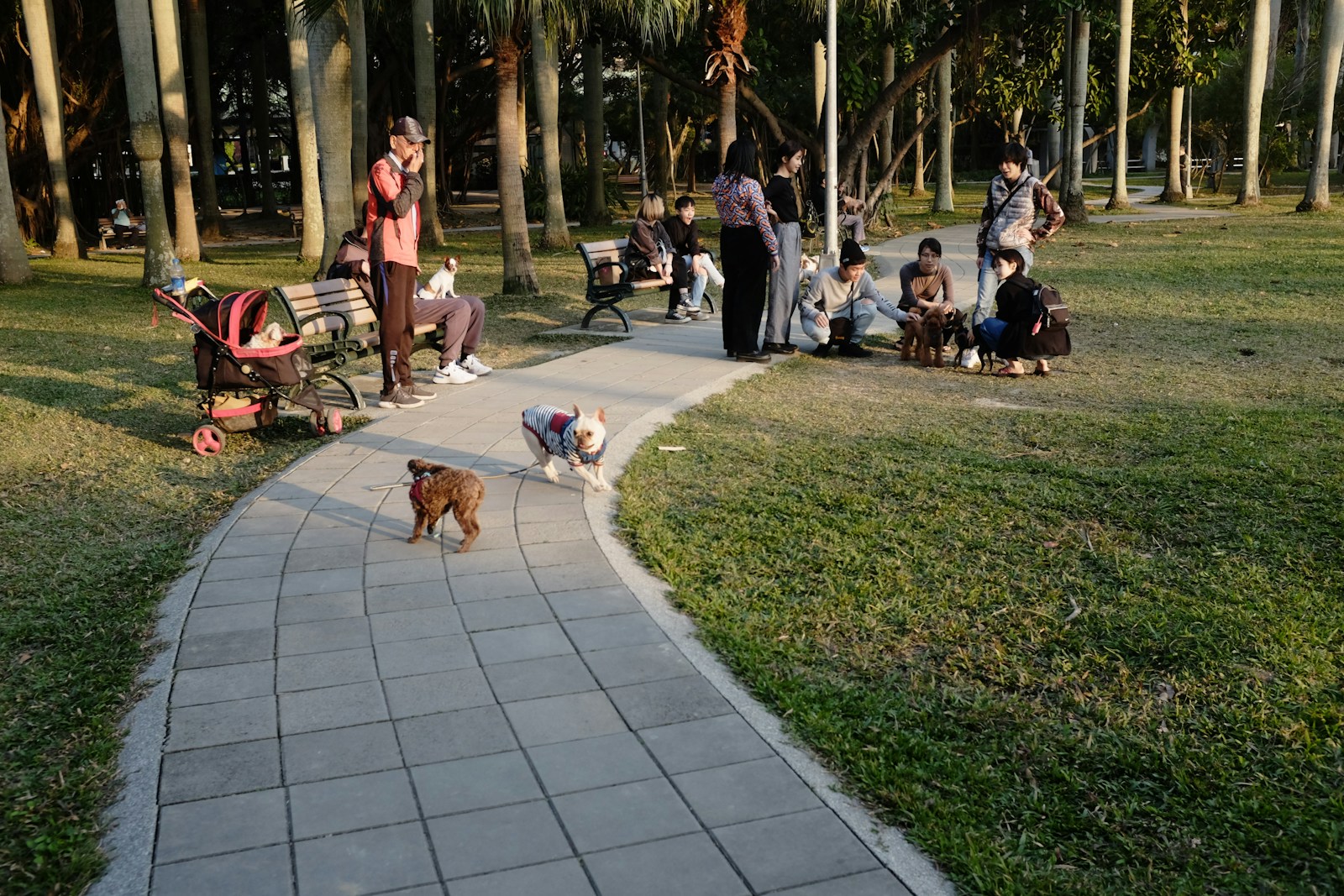
And that’s the moment a lot of dog parents know well—the moment you’re trying to be friendly while also trying to protect your dog’s health, training, and boundaries. Nobody wants to be the fun police at the dog park. But also, it’s your dog, not a communal snack receiver.
A Small Moment That Doesn’t Feel Small
The dog park runs on a kind of social contract: keep an eye on your dog, pick up after them, don’t bring chaos in a bag. Most of us assume “don’t feed someone else’s dog” is part of that contract, right up there with “don’t throw tennis balls into a scrum of resource-guarders.” Yet it still happens, usually with the best intentions.
To the treat-giver, it’s a sweet gesture—literally. To the owner on the receiving end, it can feel like someone reached into your grocery cart and decided your kid needed a snack. It’s not just about the treat; it’s about consent, safety, and the fact that you don’t know what someone else is managing.
Why “All Natural” Isn’t a Magic Word
“All natural” sounds comforting, but it doesn’t tell you much. Plenty of natural things can still cause problems: chicken, beef, dairy, peanut butter, even certain fruits. A dog can be allergic to ingredients that seem totally harmless, and sensitivities don’t always announce themselves politely.
Then there’s the bigger issue: you don’t know the portion, the ingredients, or how many treats have already been handed out that day. A few “tiny” bites from multiple people can add up fast, especially for smaller dogs. And if your dog’s on a prescription diet, a bland-food reset, or medication that needs consistency, “natural” doesn’t help.
The Hidden Costs: Training, Manners, and Behavior
Even if the treat doesn’t cause an upset stomach, it can still derail training. Maybe you’re working on polite greetings, focus around distractions, or not jumping on strangers. Random reinforcement from a well-meaning stranger can teach the exact opposite: “Run up to every human and mug them for snacks.”
It can also spark conflict between dogs. Treats at the park can trigger resource guarding, tension, and scuffles—sometimes in dogs that are otherwise perfectly social. The treat-giver might be thinking they’re spreading goodwill, but the dogs might be negotiating it like it’s a high-stakes business deal.
When It’s Not Just Annoying—It’s Dangerous
For some dogs, surprise treats aren’t merely inconvenient, they’re medically risky. Dogs with pancreatitis histories, diabetes, kidney issues, inflammatory bowel problems, or food allergies can have real consequences from “just one.” And some dogs are on strict elimination diets where even a tiny ingredient can ruin weeks of careful tracking.
There’s also the choking factor, especially with hard treats or oddly sized chews. Add in the chaos of a dog park—running, panting, jostling—and you’ve got the perfect conditions for a dog to gulp something too fast. Nobody wants their casual park visit to turn into an emergency vet run.
The Awkward Conversation Nobody Teaches You How to Have
The tricky part is that the treat-giver often isn’t trying to be rude. They’re trying to be friendly, they love dogs, and they assume it’s fine because their own dog eats the same thing. So when you speak up, it can feel like you’re rejecting their kindness instead of setting a basic boundary.
Still, you’re allowed to be clear. Your dog can’t advocate for themselves, and you don’t owe anyone a long explanation in the middle of a busy park. A calm, direct sentence usually works better than a big speech, especially when everyone’s distracted by wagging tails.
What to Say in the Moment (Without Starting a Dog Park Feud)
If you catch it as it’s happening, try something simple: “Hey, please don’t feed him—he’s on a strict diet.” Even if your dog isn’t on a medical diet, that line tends to end the debate quickly. You can also go with, “Thanks, but we don’t do treats from other people,” which is polite and firm.
If they respond with “They’re all natural,” you can keep it friendly: “Totally hear you, but he has sensitivities and I need to control what he eats.” Or, if you’re feeling a little more blunt: “Natural or not, please ask first.” Most reasonable people will back off once they realize you mean it.
How to Prevent a Repeat (Because It Probably Will Happen Again)
Some owners choose visual cues: a leash wrap or bandana that says “Do not feed” or “Ask to pet” can help, though it’s not foolproof. You can also position yourself closer to your dog when greeting clusters form, since those are prime treat-exchange moments. And if someone’s clearly handing out snacks like party favors, it’s okay to move to another area.
If your dog is highly food-motivated, practicing a strong “leave it” and recall can be a lifesaver. It won’t solve the consent problem, but it can reduce the odds of your dog hoovering up mystery treats. Think of it as teaching your dog to ignore free samples—an advanced skill, honestly.
What Treat-Givers Often Don’t Realize
Many dog lovers carry treats because it helps them manage interactions. They may use snacks to distract a pushy dog, to reward calm behavior near their own dog, or to feel safer in a crowd. That’s understandable, but it still doesn’t make it okay to feed without permission.
A better approach is easy: ask first. “Is it okay if I give your dog a treat?” takes two seconds, and it gives the owner a chance to say yes, no, or “Only if it’s mine.” It’s the same principle as offering food to a kid with allergies—you don’t guess, you check.
The Bigger Picture: Dog Parks Are Shared Spaces, Not Shared Diets
Dog parks can be wonderful: goofy zoomies, surprise friendships, that one dog who always looks like they’re auditioning for a shampoo commercial. But they also require a little extra respect because everyone’s bringing different needs and histories into the same fenced rectangle. Some dogs are in training, some are in recovery, some are just trying to exist without getting pressured.
So yes, it’s okay to be the person who says something. It doesn’t make you uptight; it makes you responsible. And if someone seems offended that you won’t accept their “all natural” argument, that’s a them problem—not a you problem.
In the end, the rule is pretty simple: if it’s not your dog, it’s not your call. Ask first, every time. Your treat pouch doesn’t come with diplomatic immunity, no matter how wholesome the ingredients list looks.
More from Cultivated Comfort:
- 7 Vintage Home Items From the ’60s That Are Collectors’ Dream Finds
- 7 Vintage Home Goods That Became Collectors’ Gold
- 7 Fast-Food Chains That Changed for the Worse
- 7 Frozen Dinners That Were Better Back in the Day

As a mom of three busy boys, I know how chaotic life can get — but I’ve learned that it’s possible to create a beautiful, cozy home even with kids running around. That’s why I started Cultivated Comfort — to share practical tips, simple systems, and a little encouragement for parents like me who want to make their home feel warm, inviting, and effortlessly stylish. Whether it’s managing toy chaos, streamlining everyday routines, or finding little moments of calm, I’m here to help you simplify your space and create a sense of comfort.
But home is just part of the story. I’m also passionate about seeing the world and creating beautiful meals to share with the people I love. Through Cultivated Comfort, I share my journey of balancing motherhood with building a home that feels rich and peaceful — and finding joy in exploring new places and flavors along the way.