On a quiet, tree-lined street where lawn mowers hum like background music and people wave from porches, a small neighborhood dispute has turned into a surprisingly public debate about generosity, boundaries, and what “community” actually means. The spark wasn’t a fence line or a barking dog, but something far more suburban: borrowed tools that didn’t come back in one piece.
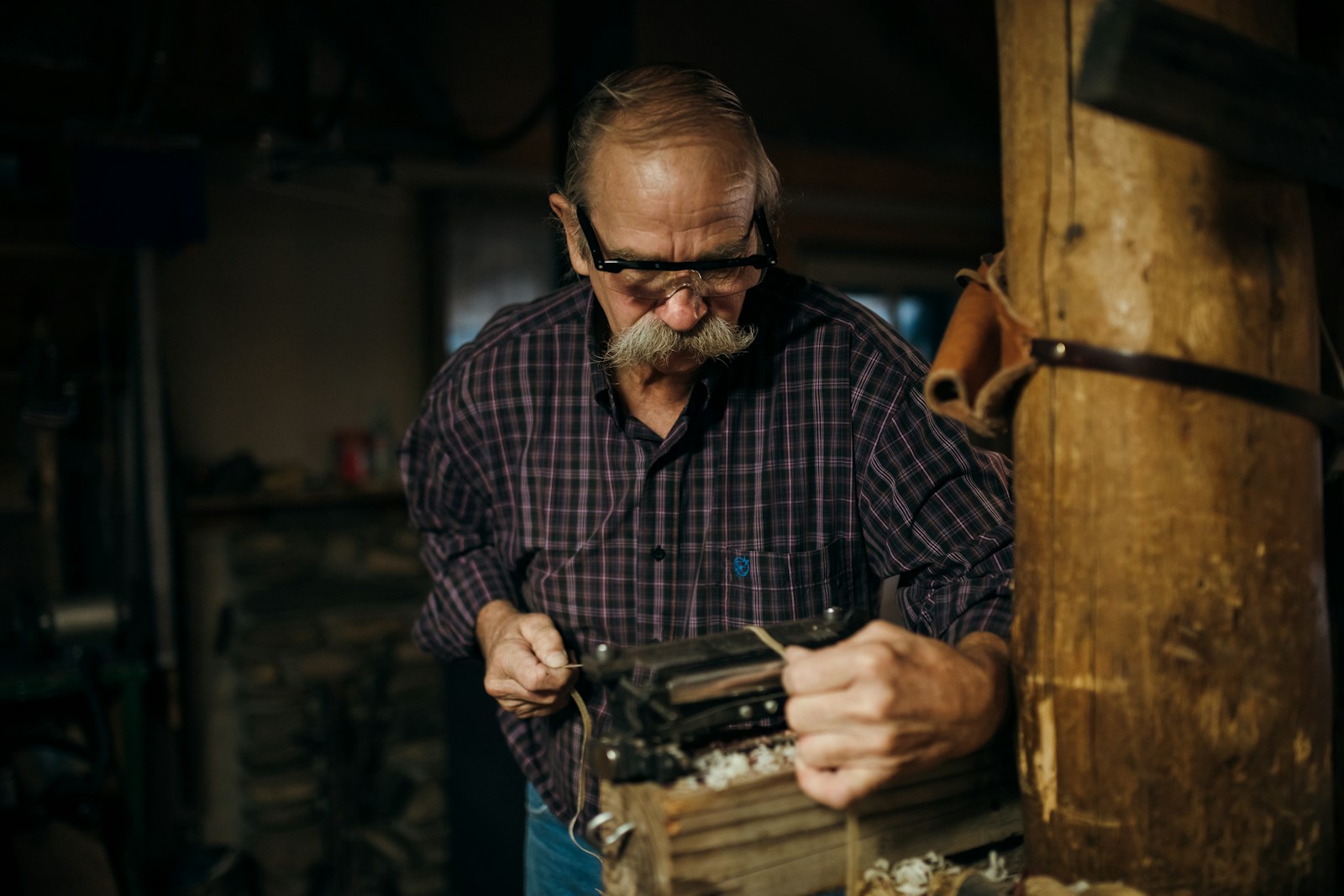
The homeowner at the center of it—let’s call him Mark—says he’s happy to help neighbors and has done it plenty of times. But after multiple tool-lending requests and a string of returns that looked more like “survived a storm” than “thanks for the help,” he finally said no. That’s when his neighbor responded by telling others on the block that Mark “isn’t community-oriented.”
A Borrowing Arrangement That Started Out Normal
Mark moved into the neighborhood a few years ago and says the vibe was exactly what people hope for: friendly hellos, a few block get-togethers, and the occasional “Do you have a ladder?” request. When his neighbor—who we’ll call Dave—asked to borrow a drill the first time, Mark didn’t think twice. It felt like standard neighborly behavior, the kind of thing that makes a street feel like a community instead of a row of separate households.
“I’ve borrowed stuff too,” Mark said. “If someone’s got a tool you only need once, it makes sense not to buy it.” That’s the whole premise of neighborhood sharing: everyone saves money, fewer items sit unused, and you get to know the people next door.
Then the Tools Started Coming Back… Different
The trouble, Mark says, wasn’t the asking—it was the returning. The drill came back with a cracked casing and a bit that was missing, like someone had done a quick inventory and decided the bit deserved a new life elsewhere. A few weeks later, a hedge trimmer returned with a dull blade and what looked like sap baked onto it, which is basically the equivalent of returning a borrowed car with an empty tank and a mystery smell.
Mark didn’t blow up about it. He mentioned it casually, hoping it was a one-time thing or an honest mistake. Dave apologized, but the pattern didn’t change, and Mark started to feel like his garage had become a tool-rental shop with zero deposit and no accountability.
The “No” That Set Everything Off
The breaking point came when Dave asked to borrow a circular saw for a weekend project. Mark hesitated, then offered an alternative: he could help Dave measure and make a few cuts together, or recommend an affordable rental place nearby. Dave didn’t love that answer. He wanted the saw, on his schedule, with no supervision, and he wanted it now.
Mark declined. He says he kept it polite and matter-of-fact: he’d had tools returned damaged before, and he wasn’t comfortable lending out anything else. According to Mark, Dave took it personally and left the conversation abruptly, the way people do when they’re already planning a story they’ll tell later.
“Not Community-Oriented” Becomes the Neighborhood Label
Within a week, Mark started hearing the same phrase from multiple directions. A neighbor mentioned, awkwardly, that Dave had been telling people Mark “isn’t community-oriented.” Another person joked that Mark must have “a tool vault,” and while it was said with a laugh, it didn’t feel entirely harmless.
The funny thing is that Mark isn’t known as the street hermit. He’s helped jump-start cars, brought in mail for traveling neighbors, and even hosted a casual cookout last summer. But labels travel faster than context, and “not community-oriented” is the kind of vague criticism that sticks because it sounds principled while offering no details.
Why Tool Lending Gets Weird So Fast
Tools are a special category of borrowed item because they’re expensive, easy to damage, and often tied to safety. A drill isn’t just a drill—it’s a machine with moving parts that can get wrecked by one wrong bit, one drop, or one attempt to drill through something it was never meant to touch. And unlike borrowing a baking dish, tool damage can cost real money to fix or replace.
There’s also the silent social contract: borrow it, use it normally, return it promptly, and bring it back in the same condition (or better). When that contract gets broken repeatedly, it stops feeling like sharing and starts feeling like being taken advantage of. People often call that “community” right up until it requires them to take responsibility.
What the Street Is Really Debating
As the story bounced around the neighborhood, it split into two camps. Some neighbors sympathized with Mark immediately—most people have a “borrowed item that came back trashed” memory tucked away somewhere. Others felt Mark should’ve just let it go, because refusing a request can feel like refusing the person.
But that’s the heart of the issue: boundaries aren’t an attack, even if someone reacts like they are. Mark didn’t stop being friendly; he stopped being a free supply store. And a community where one person absorbs all the wear and tear isn’t actually a community—it’s a quiet little imbalance that everyone pretends not to notice.
A Few Neighbors Suggest a Middle Path
Not everyone is treating this like a feud. A couple of neighbors have floated practical ideas, like creating a shared tool list or a simple “if you break it, you replace it” norm everyone agrees to. One neighbor even suggested a casual tool-sharing day where people show what they have and talk about how to use it safely—part swap-meet, part mini workshop.
Mark says he’d be open to something like that, mostly because it spreads responsibility across more than one household. “I’m not against helping,” he said. “I just don’t want to keep paying for it.” It’s a fair point, and it’s one more reason this dispute has become a small neighborhood lesson in what generosity can realistically look like.
How Mark Is Handling the Social Fallout
For now, Mark isn’t confronting Dave publicly, and he’s not trying to win a neighborhood PR battle. He’s simply being consistent: he’ll still help with advice, measurements, and the occasional extra set of hands, but he’s not lending out high-value tools anymore. He’s also started being more direct when asked, saying, “I don’t loan tools out, but I’m happy to recommend a rental place or help you figure out the job.”
Neighbors say that approach is quietly effective. It keeps the door open for real community support while closing the door on the kind that ends with chipped blades and cracked plastic. And if anyone brings up the “not community-oriented” comment, Mark has a short response ready: he’s community-oriented enough to help, just not enough to subsidize someone else’s projects indefinitely.
What This Says About Community, Actually
In the end, the most interesting part of this isn’t the drill or the saw—it’s the definition of “community-oriented” that’s being thrown around like a moral verdict. Real community isn’t measured by how often you say yes. It’s measured by how people treat shared trust, shared resources, and each other’s time and property.
If the neighborhood takes anything from this, it might be that healthy communities don’t rely on one person’s tools or patience. They rely on mutual respect, clear expectations, and the understanding that “no” can be a normal, reasonable answer—especially when the last “yes” came back missing a bit.
More from Cultivated Comfort:
- 7 Vintage Home Items From the ’60s That Are Collectors’ Dream Finds
- 7 Vintage Home Goods That Became Collectors’ Gold
- 7 Fast-Food Chains That Changed for the Worse
- 7 Frozen Dinners That Were Better Back in the Day

As a mom of three busy boys, I know how chaotic life can get — but I’ve learned that it’s possible to create a beautiful, cozy home even with kids running around. That’s why I started Cultivated Comfort — to share practical tips, simple systems, and a little encouragement for parents like me who want to make their home feel warm, inviting, and effortlessly stylish. Whether it’s managing toy chaos, streamlining everyday routines, or finding little moments of calm, I’m here to help you simplify your space and create a sense of comfort.
But home is just part of the story. I’m also passionate about seeing the world and creating beautiful meals to share with the people I love. Through Cultivated Comfort, I share my journey of balancing motherhood with building a home that feels rich and peaceful — and finding joy in exploring new places and flavors along the way.