It started the way a lot of neighborhood drama starts: with something small, boring, and allegedly “for everyone’s benefit.” One minute it’s a quick chat about trash pickup rules, and the next minute you’re realizing someone has turned curbside garbage into a personal hobby. In this case, the hobby is a stopwatch.
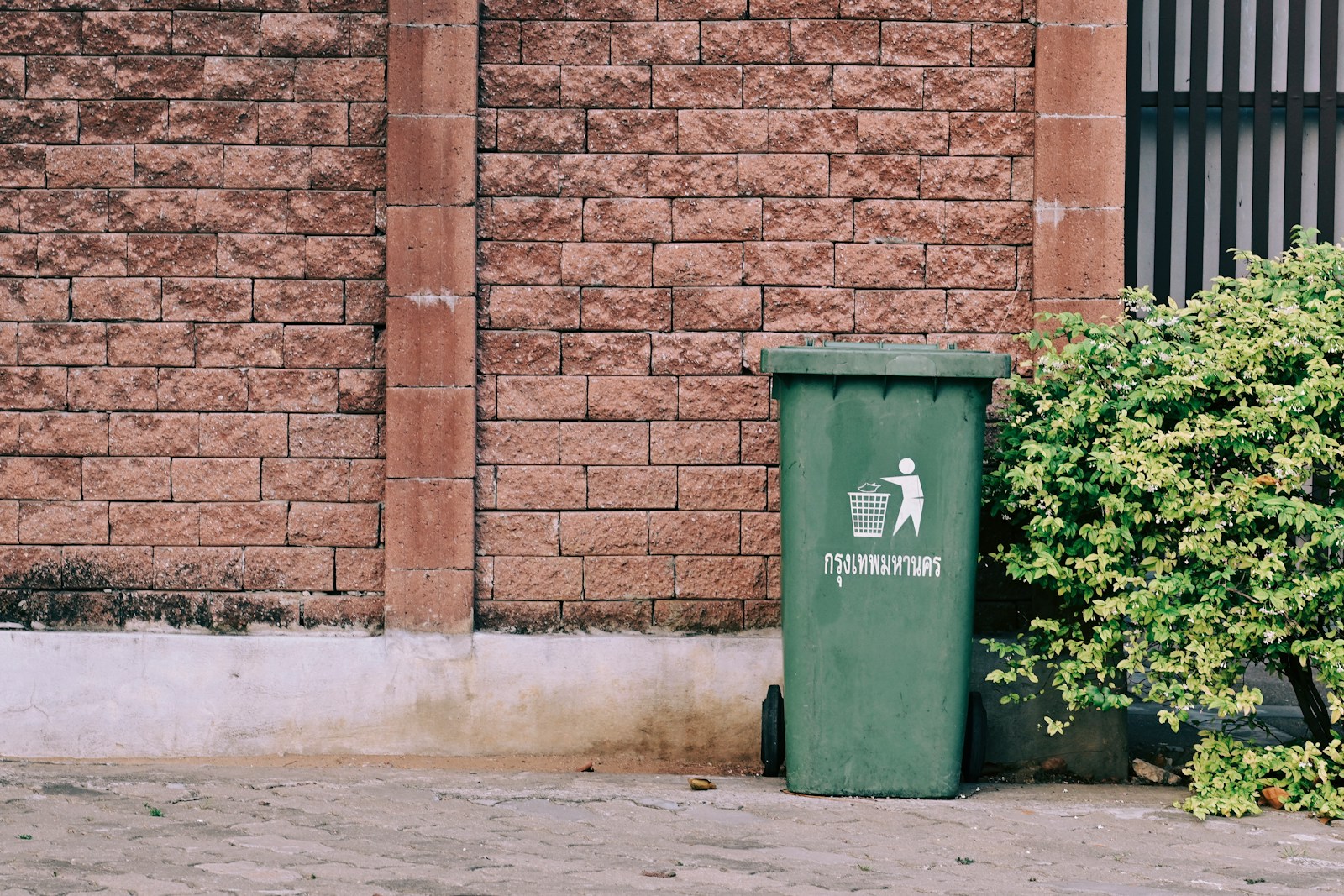
After a disagreement about when bins should go out, one resident says their neighbor began timing their trash routine and commenting on it—then defended the behavior as “just keeping the block accountable.” It’s the kind of phrase that sounds noble until you picture a grown adult monitoring a trash can like it’s a high-stakes sporting event.
A disagreement over something nobody enjoys
According to the resident, the tension began after a mild dispute about timing: some neighbors prefer bins go out the morning of pickup, while others put them out the night before. Many cities and HOAs have guidelines, but the reality is most streets operate on a messy blend of rules, habit, and “whatever keeps raccoons from throwing a party.”
The resident says they’d been putting their trash out within what they believed was an acceptable window. The neighbor, however, reportedly took issue and raised it in a way that felt less like a friendly reminder and more like a warning. From there, what could’ve been a one-time annoyance turned into an ongoing observation campaign.
The “accountability” approach: now with timestamps
The resident noticed the neighbor watching more often—standing near the window, stepping outside when the bin rolled out, and occasionally making comments like, “A little early today, huh?” Then came the part that pushed it from awkward to surreal: the neighbor allegedly began tracking the exact time the trash was placed at the curb.
When confronted, the neighbor’s explanation was simple: he was “keeping the block accountable.” Not “trying to be helpful,” not “worried about fines,” but accountable—as if the street is a corporate department and the recycling bin is missing its quarterly metrics.
Why this feels so unsettling (even if it’s “about rules”)
Trash timing is, on paper, a tiny issue. But having someone monitor your routine can feel invasive in a way that’s hard to shake, because it’s not really about the garbage. It’s about being watched in your own space and realizing a neighbor is treating your ordinary habits as something to police.
There’s also a social layer: neighborhoods run on a delicate balance of minding your own business and looking out for each other. Most people can tell the difference between “Hey, pickup’s early tomorrow” and “I’ve been documenting your bin movements.” The second one lands like a threat, even if it’s wrapped in civic-minded language.
Is he allowed to do that?
In most places, a person can stand on their property and observe what’s visible in public view, including when someone places trash at the curb. That doesn’t make it normal, kind, or wise, but it’s often not illegal by itself. The line gets clearer if there’s harassment, intimidation, repeated unwanted contact, or behavior that escalates into stalking or targeted interference.
It can also depend on local ordinances and HOA rules. Some communities do fine for early set-outs, but enforcement is typically handled by the city or HOA—not by a self-appointed “block accountability” officer with a mental spreadsheet.
The unspoken power struggle on quiet streets
Neighborhood conflicts often become less about the original issue and more about who gets to set the tone. A disagreement about bins can quietly morph into a contest of control: who follows whose preferences, who gets corrected, who gets embarrassed. The “accountable” language can be a clue that this isn’t simple rule-following—it’s status management.
And timing someone’s trash is a peculiar kind of power move because it’s petty enough to deny (“What? I’m just paying attention”), but pointed enough to make the other person feel singled out. It’s passive-aggressive with a clipboard vibe.
What neighbors say works when things get weird
People who’ve dealt with similar situations often recommend keeping responses boring and consistent. That means no big showdown on the driveway, no trading sarcasm, and no long debates about what “accountability” means in a residential setting. A calm boundary tends to land better than a clever comeback, even if the comeback is tempting.
A simple script can do a lot: “I’m following the city’s guidelines. Please stop monitoring my schedule.” If the neighbor tries to argue, repeating the same sentence—politely—can be surprisingly effective, because it removes the reward of engagement.
Document the pattern, just in case
It’s not dramatic to keep notes when someone’s behavior is persistent and targeted. If the neighbor is making comments, approaching you repeatedly, or escalating beyond observation, it can help to record dates, times, and what was said. Think of it as basic self-protection, not retaliation.
If the situation touches an HOA, many residents suggest routing it through official channels rather than driveway diplomacy. The same goes for city code enforcement questions: if there’s genuinely a rule being violated, the appropriate mechanism is a complaint process, not a neighbor-run surveillance program.
How to lower the temperature without “giving in”
Some people try a soft reset: a brief, neutral conversation during daylight hours when nobody’s already annoyed. Something like, “I want to keep things friendly. I’ll put my bins out within the allowed window, and I’d appreciate it if you didn’t comment on it.” It’s firm, but it doesn’t invite a debate about who’s right.
If the neighbor’s motivation is genuinely fear of fines or mess, offering a practical solution can help—like confirming the official pickup rules together. But if the motivation is control, clarity is better than compromise. You don’t have to negotiate your trash schedule like it’s a peace treaty.
When it crosses into harassment
Most of these situations fizzle out when the person doesn’t get a reaction. But if the neighbor escalates—yelling, blocking you, touching your bins, filming you repeatedly, or encouraging others to target you—that’s different. At that point, many residents consider contacting property management, the HOA board, or local non-emergency services for guidance.
It’s also worth leaning on community norms: sometimes a quiet word to another neighbor can confirm whether this is a one-on-one issue or a pattern. If multiple people have had the same experience, it can be addressed as a broader conduct problem rather than a personal feud.
A reminder: a “nice block” isn’t built on policing
Most people want the same basic thing: clean sidewalks, minimal pests, and a street where you can wave at each other without bracing for commentary. That kind of neighborhood doesn’t come from surveillance; it comes from trust and a little grace for the fact that life gets busy and bins sometimes go out when they go out.
As for the resident being timed, the takeaway is simple: you’re not unreasonable for finding this creepy and unnecessary. Trash day is already annoying. Nobody needs a neighbor turning it into a timed event—unless the winner gets their cans magically rolled back up the driveway.
More from Cultivated Comfort:
- 7 Vintage Home Items From the ’60s That Are Collectors’ Dream Finds
- 7 Vintage Home Goods That Became Collectors’ Gold
- 7 Fast-Food Chains That Changed for the Worse
- 7 Frozen Dinners That Were Better Back in the Day

As a mom of three busy boys, I know how chaotic life can get — but I’ve learned that it’s possible to create a beautiful, cozy home even with kids running around. That’s why I started Cultivated Comfort — to share practical tips, simple systems, and a little encouragement for parents like me who want to make their home feel warm, inviting, and effortlessly stylish. Whether it’s managing toy chaos, streamlining everyday routines, or finding little moments of calm, I’m here to help you simplify your space and create a sense of comfort.
But home is just part of the story. I’m also passionate about seeing the world and creating beautiful meals to share with the people I love. Through Cultivated Comfort, I share my journey of balancing motherhood with building a home that feels rich and peaceful — and finding joy in exploring new places and flavors along the way.