It started the way a lot of neighborhood annoyances start: small enough to ignore, weird enough to notice. Trash day came and went, my bin was empty, and by that evening it suddenly wasn’t. Two tied bags sat neatly inside, like they’d always belonged there.
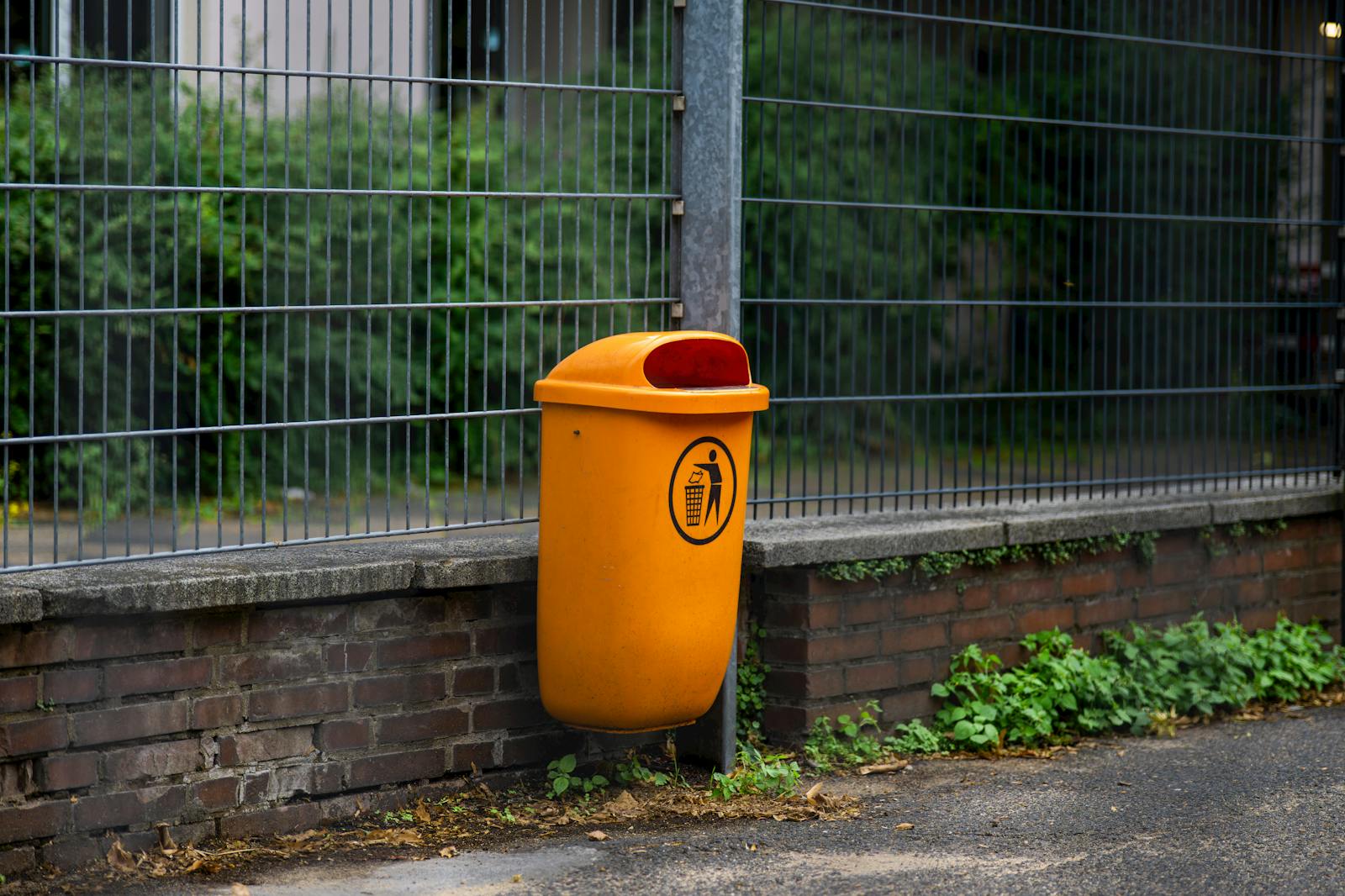
If you’ve ever had this happen, you know the immediate mental math. “Is it really worth a fuss?” meets “Why is this happening to me?” meets “Wait, is that shrimp?” And that’s before you even get to the practical problem: your bin is now partly full for the entire week.
A quiet habit that didn’t feel so quiet anymore
At first, it’s easy to wave off. Maybe your neighbor missed the truck, maybe he had a one-off overflow, maybe he was having a rough week and just needed a little help. But when it happens repeatedly—especially right after pickup day—it stops feeling like a one-time favor and starts feeling like a routine you never agreed to.
There’s also a sneaky detail that makes this specific move extra irritating: timing. After pickup, you’ve got the maximum space you’ll need for your own week’s trash. When someone else uses it first, you’re the one stuck playing trash Tetris later, hoping you don’t end up with bags piling up in your garage.
“It’s just a couple bags” isn’t the soothing argument he thinks it is
When confronted, a lot of people go with the minimizer’s defense: “It’s only a couple bags.” It’s meant to make you feel silly for caring, like you’re launching a full-blown investigation over banana peels. But “small” isn’t the same as “okay,” and it definitely isn’t the same as “asked and approved.”
Because those “couple bags” come with real consequences. They can make your bin too full on your own pickup day, attract pests, stink up your side yard, or violate local rules if there’s something in there that isn’t allowed. And if the bags rip, leak, or turn into a science experiment in July, guess whose bin gets to marinate in it.
When you locked the bin, the story turned into a morality play
Locking your bin is a pretty clear signal: you’re not looking to share. It’s not aggressive, it’s not dramatic—it’s just a boundary with a hinge. But instead of taking the hint, your neighbor knocked on your door to say you weren’t “community minded,” as if your garbage can is a public service.
That’s the moment this stops being about trash and starts being about entitlement. “Community minded” is a lovely phrase when it means waving hello, helping carry a package, or checking on someone during a storm. It’s a lot less charming when it’s used like a coupon that gets him free bin space forever.
The invisible rules of bin etiquette (that most people somehow know)
Most neighborhoods operate on a set of unspoken rules, and bin etiquette is one of them. If you’re in a pinch, you ask. If you’re not close with someone, you don’t assume. And if it’s after pickup day, you especially don’t treat someone else’s empty bin like an open parking spot.
People also tend to forget that bins aren’t just generic containers. They’re tied to your address, your fees, and sometimes your compliance with local waste rules. If a bag contains prohibited materials, or if the bin gets overfilled and doesn’t get collected, it’s your problem to untangle—not his.
Why this hits a nerve even if you’re normally easygoing
It’s not just the physical trash. It’s the feeling of being drafted into someone else’s system without being asked. It’s the subtle message that your property is available, your boundaries are optional, and your inconvenience is an acceptable cost for his convenience.
And honestly, it’s also the audacity of the door knock. A person who’s truly community minded might have said, “Hey, I’m sorry—I was in a bind, can I toss one bag in this week?” A person who’s gaming the situation is more likely to frame it like you’re the problem for noticing.
Neighbors weighed in: helping is nice, but consent is the whole point
Talk to almost any homeowner or renter who’s dealt with this, and you’ll hear the same theme: nobody minds being helpful when it’s mutual and respectful. People share ladders, accept misdelivered packages, and water plants during vacations. The difference is that these things come with a question first, not an assumption.
There’s also a fairness angle that’s hard to ignore. If one neighbor can quietly offload trash into other people’s bins, he gets to avoid managing his own overflow, paying for a larger bin, or making a trip to the dump. That’s not “community”; that’s outsourcing.
What you can do when you want peace, not a feud
The best outcome here is boring: the behavior stops, nobody’s yelling, and you can go back to thinking about literally anything else. If you haven’t already said it plainly, a short, calm line often works: “Please don’t put trash in my bin. I need the space for my household.” Simple, specific, and not up for debate.
If he tries the “couple bags” line again, it helps to repeat the boundary without arguing the size of the offense. “Even a couple bags fills it up for the week, and it’s my account and responsibility.” You’re not asking him to understand your feelings; you’re telling him the rule.
If the lock triggered the confrontation, keeping it locked is still reasonable. You’re not required to leave access open to avoid awkwardness. Sometimes the most effective boundary is the one that doesn’t require a conversation every Tuesday.
When “community minded” becomes code for “do what I want”
It’s worth noticing how quickly the language can flip. The person benefiting frames it as generosity you owe them, and suddenly you’re cast as the selfish one for not donating bin space. That’s not a neighborly value system; it’s a sales pitch.
Real community works both ways. It includes asking, offering, and accepting “no” without making it personal. If your neighbor only likes community when it’s convenient for him, then what he’s really asking for isn’t togetherness—it’s permission.
The small detail that keeps this from being “just trash”
Here’s the sneaky part: once someone gets comfortable using your bin, it can escalate. One bag becomes three, one week becomes every week, and suddenly you’re the unofficial overflow plan for the whole block. People don’t always set out to be inconsiderate; they just get used to what you tolerate.
So if you’re feeling a little stubborn about this, that’s not pettiness—it’s pattern recognition. You’re protecting your space, your time, and your right to not have mystery bags appear in your life. And honestly, that’s a pretty community-minded thing to do for yourself.
More from Cultivated Comfort:
- 7 Vintage Home Items From the ’60s That Are Collectors’ Dream Finds
- 7 Vintage Home Goods That Became Collectors’ Gold
- 7 Fast-Food Chains That Changed for the Worse
- 7 Frozen Dinners That Were Better Back in the Day

As a mom of three busy boys, I know how chaotic life can get — but I’ve learned that it’s possible to create a beautiful, cozy home even with kids running around. That’s why I started Cultivated Comfort — to share practical tips, simple systems, and a little encouragement for parents like me who want to make their home feel warm, inviting, and effortlessly stylish. Whether it’s managing toy chaos, streamlining everyday routines, or finding little moments of calm, I’m here to help you simplify your space and create a sense of comfort.
But home is just part of the story. I’m also passionate about seeing the world and creating beautiful meals to share with the people I love. Through Cultivated Comfort, I share my journey of balancing motherhood with building a home that feels rich and peaceful — and finding joy in exploring new places and flavors along the way.