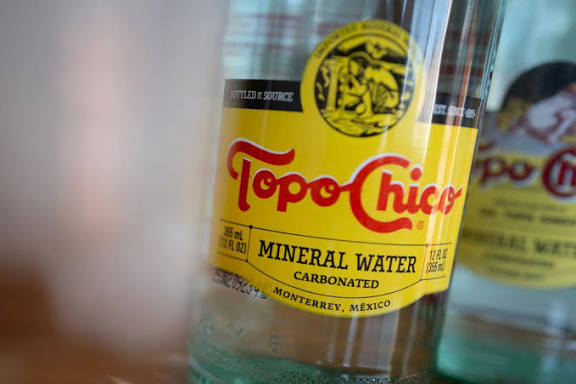
You spot empty shelf space where Topo Chico usually lives and feel the scramble that follows: which sparkling water will replace your go-to, and how long will the shortage last? Coca‑Cola says production pauses and upgrades at the Mexican source have temporarily halted glass‑bottle output, so classic Topo Chico in glass will be scarce for a stretch.
They’ll explain what caused the disruption, how it affects bars and home pantries, and what alternatives actually match Topo Chico’s bright carbonation and mineral bite. Keep scanning—the next sections break down the production issues, the brand’s rise to cult status, and practical swaps you can grab now.
Why Is Topo Chico Mineral Water Disappearing?
Stores in multiple states report empty shelves and customers scanning aisles for the recognizable glass bottles. Coca-Cola says production problems and a targeted recall have removed certain Topo Chico mineral water SKUs from circulation while other Topo Chico products remain available.
The Sudden Shortage on Store Shelves
Retailers and shoppers first noticed gaps in sparkling water aisles when the iconic Topo Chico glass bottles stopped arriving on regular delivery runs. Reports show affected stockouts concentrated in states including Texas, Arizona, Nevada, New Mexico, and Louisiana, where retailers pulled specific batches from shelves after alerts.
The missing items skew toward the original Topo Chico mineral water in glass; flavored Topo Chico Sabores and canned Topo Chico hard seltzers are still on shelves in many locations. Shoppers described buying limits on remaining cases and higher prices from resellers. Bars and cocktail programs that rely on the brand have scrambled to find replacements for its distinct carbonation and bottle shape.
Official Reasons for the Supply Issue
Coca-Cola, which acquired Topo Chico in 2017 and now oversees bottling and distribution, attributed the shortage to production issues and a limited recall of certain bottles linked to possible contamination. The company announced the temporary halt affected specific lots, not the entire Topo Chico portfolio, and said it is working to ramp production.
Manufacturing constraints included both removal of recalled inventory and limited glass-bottle supply in some regions, which slowed restocking. Coca-Cola has indicated the disruption could last into the summer while quality checks, replacement packaging, and distribution catch up. The company emphasized safety protocols and source-bottling at the Monterrey spring remain priorities.
How Fans and Retailers Are Reacting
Consumers have posted panicked searches and social posts tracking store restocks and bottle sightings. Collectors of the distinctive glass bottles and cocktail bars voiced frustration, and some retailers instituted purchase limits to stretch remaining supply across more customers.
Retail buyers report shifting orders to alternative bottled water brands and different packaging—cans or plastic—to meet demand. Smaller bars and restaurants have tested substitutions for Topo Chico’s carbonation profile, but many say the brand’s mouthfeel and branding are hard to replicate. Meanwhile, secondary-market sellers list limited quantities at marked-up prices, prompting calls for clearer restock timelines from The Coca-Cola Company.
The Topo Chico Phenomenon: From Cult-Favorite to Global Sensation
Fans first fell for a crisp, high-mineral sparkle drawn from a single Mexican spring, then embraced a brand that moved quickly into flavored cans and canned cocktails. Availability in Texas bars, convenience stores and boutique shops helped turn a regional favorite into a national trend.
Origins and Legend of Cerro del Topo Chico
Topo Chico began bottling in 1895 at a spring on Cerro del Topo Chico near Monterrey. The water’s high mineral content and natural effervescence defined its taste long before large corporations noticed. Locals prized the spring for perceived health benefits and a distinctive mouthfeel that set it apart from artificially carbonated soda water.
Bottling from the same source created a consistent product identity tied to place. That geographic provenance—“mineral water from Mexico” rather than a generic sparkling water—became central to the brand story and helped attract expatriate and adventurous consumers abroad.
How Texas Made Topo Chico a Sparkling Water Icon
Topo Chico built momentum in Texas cities where consumers adopted it in bars, taquerías, and health-focused shops. Strong distribution in Texas, Oklahoma, and Colorado created dense pockets of availability that fueled word-of-mouth. Bartenders used it as the base for highball-style drinks, and restaurants promoted it alongside local cuisine.
The brand’s cult status grew as influencers and nightlife scenes featured Topo Chico bottles. Coca-Cola’s later acquisition accelerated national retail placement, but it was Texan demand—steady on-premise use and repeat retail purchases—that first established Topo Chico as a go-to sparkling water brand in the U.S.
Expansion Beyond Mineral Water: Seltzers and Margaritas
Topo Chico extended the brand with flavored sparkling waters (Topo Chico Sabores) and canned cocktails like Topo Chico Ranch Water and the Topo Chico Margarita. The Ranch Water hard seltzer and Topo Chico hard seltzer offerings used real lime juice and a lighter alcohol base to mirror popular on-premise cocktails in a convenient can.
Molson Coors and Coca-Cola associations helped scale production and distribution while preserving the spring-bottled mineral water as the flagship product. These extensions broadened appeal to hard seltzer drinkers and cocktail fans without abandoning the brand’s mineral-water roots, though availability differences—mineral bottles versus flavored cans—sometimes caused consumer confusion during supply disruptions.
More from Cultivated Comfort:
- 7 Vintage Home Items From the ’60s That Are Collectors’ Dream Finds
- 7 Vintage Home Goods That Became Collectors’ Gold
- 7 Fast-Food Chains That Changed for the Worse
- 7 Frozen Dinners That Were Better Back in the Day

As a mom of three busy boys, I know how chaotic life can get — but I’ve learned that it’s possible to create a beautiful, cozy home even with kids running around. That’s why I started Cultivated Comfort — to share practical tips, simple systems, and a little encouragement for parents like me who want to make their home feel warm, inviting, and effortlessly stylish. Whether it’s managing toy chaos, streamlining everyday routines, or finding little moments of calm, I’m here to help you simplify your space and create a sense of comfort.
But home is just part of the story. I’m also passionate about seeing the world and creating beautiful meals to share with the people I love. Through Cultivated Comfort, I share my journey of balancing motherhood with building a home that feels rich and peaceful — and finding joy in exploring new places and flavors along the way.