You watch wedding photos and wonder what the camera didn’t catch — the small gestures, the tense smiles, the moments that hint at trouble ahead. A New Jersey wedding photographer says her instincts spot those signs and claims she’s “never wrong,” and that claim forces you to decide whether to be intrigued or skeptical.
She insists her experience lets her read couples’ dynamics quickly, and that claim matters because it promises a glimpse into how intuition and patterns can signal a relationship’s future. You’ll follow how she describes those instincts, what evidence supports or contradicts them, and how this perspective fits into the larger conversation about love, photography, and wedding culture.
The Photographer’s Uncanny Instincts for Relationships
She says a few visual cues, small gestures, and the way couples move through a room tell her a lot about their future together. Her observations draw on years of shooting weddings, attention to body language, and a habit of keeping written notes after each event.
How Her Predictions Work at Weddings
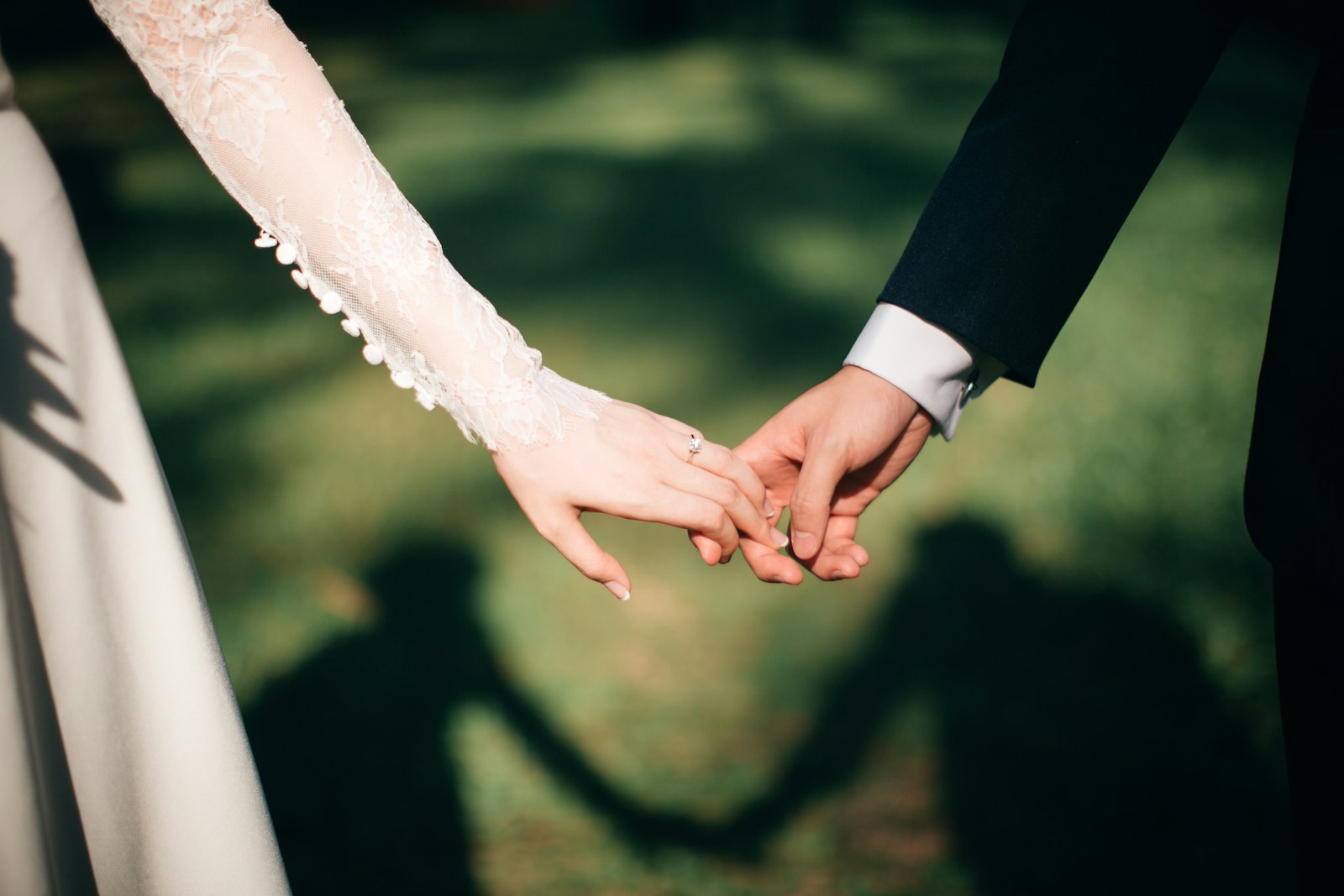
She watches micro-expressions, proximity, and who initiates touch. For example, she notes if one partner consistently looks away during vows, if hands stay clenched instead of relaxed, or if one person repeatedly checks a phone during quiet moments. Those behaviors register as patterns she records in her post-wedding diary.
Her background in guiding posed portraits and directing couples gives her a trained eye for rehearsal vs. genuine affection. She treats each wedding like a short performance, using experience from photographing staged moments in the performing arts to read authenticity. She combines visual cues with context — family dynamics, whispered arguments, and who makes decisions about shots — to form a prediction.
Memorable Stories and Couples Who Proved Her Right
She recalls a ceremony where the bride and groom smiled for photos but refused to stand close during the first dance. Months later, the couple separated; she had noted the distance and lack of shared laughter in her notes. In another case, a pair who joked openly and moved fluidly together still divorced, showing that not every warm display guarantees longevity.
Her diary entries include short biographical notes—ages, professions, and whether either partner had worked in performing arts or public-facing roles, which she says can affect how someone performs affection. She emphasizes that anecdotes serve as reminders, not evidence, and that memory bias can color which stories feel most “uncanny.”
Reactions From Clients and the Wedding Community
Some clients find her observations helpful and say her calm direction improved photos even when she later predicted trouble. Several couples thanked her for candid post-wedding notes that prompted honest conversations. Other clients felt unnerved when she mentioned red flags during a shoot.
Photographers and planners have mixed responses. A few colleagues cited similar instincts developed from years of candid event work, while others criticized the idea of predicting relationships, calling for caution and sensitivity. Wedding forums and local groups debate whether such instincts belong in a vendor’s toolkit or should remain private reflections.
Exploring Love, Instinct, and the Culture of Weddings
Photographers often mix observation, pattern recognition, and experience when they form quick impressions about couples. Social context, shared history, and everyday behaviors usually explain more about a relationship’s trajectory than a single instinct.
The Art of Reading Couples: Skills Beyond Photography
A seasoned photographer reads body language, micro-expressions, and interactional rhythms the way a conductor reads an orchestra. They note who initiates touch, who defers when making decisions, and how partners synchronize during a posed portrait or a spontaneous dance. Those signals reveal communication habits and conflict patterns more reliably than costume or venue choices.
Practical skills include listening for consistent story details—travel plans, citizenship or family logistics, and financial stress like past bankruptcy—that affect long-term stability. Observing hobbies such as basketball or swimming together, or absence of shared activities, gives clues about daily compatibility. Jewelry and gift-giving behavior—who selects rings, how cards are written—also show emotional investment and attentional styles.
Cultural and Social Influences on Lasting Marriages
Culture shapes expectations: Italian and French traditions emphasize family gatherings, dancing at receptions, and strong intergenerational ties, while other backgrounds might prioritize independence or quick citizenship logistics for mixed-nationality couples. Rituals like exchanging cards or burying symbolic items can reinforce commitment.
Social factors include racism, economic pressure, and community support. Couples facing discrimination or limited social networks need stronger internal coping and forgiveness skills. Cold-weather relocations or travel-heavy careers change daily routines and can strain relationships unless partners negotiate shared time. History—personal and familial—also informs conflict resolution and trust levels.
How Gifts, Traditions, and Shared Interests Impact Couples
Gifts and symbols matter: heirloom jewelry or a meaningful drawing can anchor identity and signal continuity. Rituals—from formal dances to small traditions of keeping in touch with distant family—create habitual bonding moments. Practical gifts, like jointly managed bank accounts or shared travel plans, reflect alignment on life goals.
Shared interests—playing basketball, swimming, or attending concerts—build interaction templates that ease conflict. Conversely, mismatched expectations about money, conduct at family events, or religious covens and affiliations can cause friction. Couples who practice explicit forgiveness, schedule regular check-ins, and honor both routine and ceremonial gestures tend to build durable patterns of cooperation.
More from Cultivated Comfort:
- 7 Vintage Home Items From the ’60s That Are Collectors’ Dream Finds
- 7 Vintage Home Goods That Became Collectors’ Gold
- 7 Fast-Food Chains That Changed for the Worse
- 7 Frozen Dinners That Were Better Back in the Day

As a mom of three busy boys, I know how chaotic life can get — but I’ve learned that it’s possible to create a beautiful, cozy home even with kids running around. That’s why I started Cultivated Comfort — to share practical tips, simple systems, and a little encouragement for parents like me who want to make their home feel warm, inviting, and effortlessly stylish. Whether it’s managing toy chaos, streamlining everyday routines, or finding little moments of calm, I’m here to help you simplify your space and create a sense of comfort.
But home is just part of the story. I’m also passionate about seeing the world and creating beautiful meals to share with the people I love. Through Cultivated Comfort, I share my journey of balancing motherhood with building a home that feels rich and peaceful — and finding joy in exploring new places and flavors along the way.