A mother says her world flipped upside down in a matter of hours when her husband walked out of their home just two days ago. Now she’s juggling the practical fallout—meals, bedtime, school drop-off—while trying to protect their 5-year-old from the kind of heartbreak that doesn’t come with instructions. “We’re still picking up the pieces,” she said, describing a house that feels both too quiet and too loud at the same time.
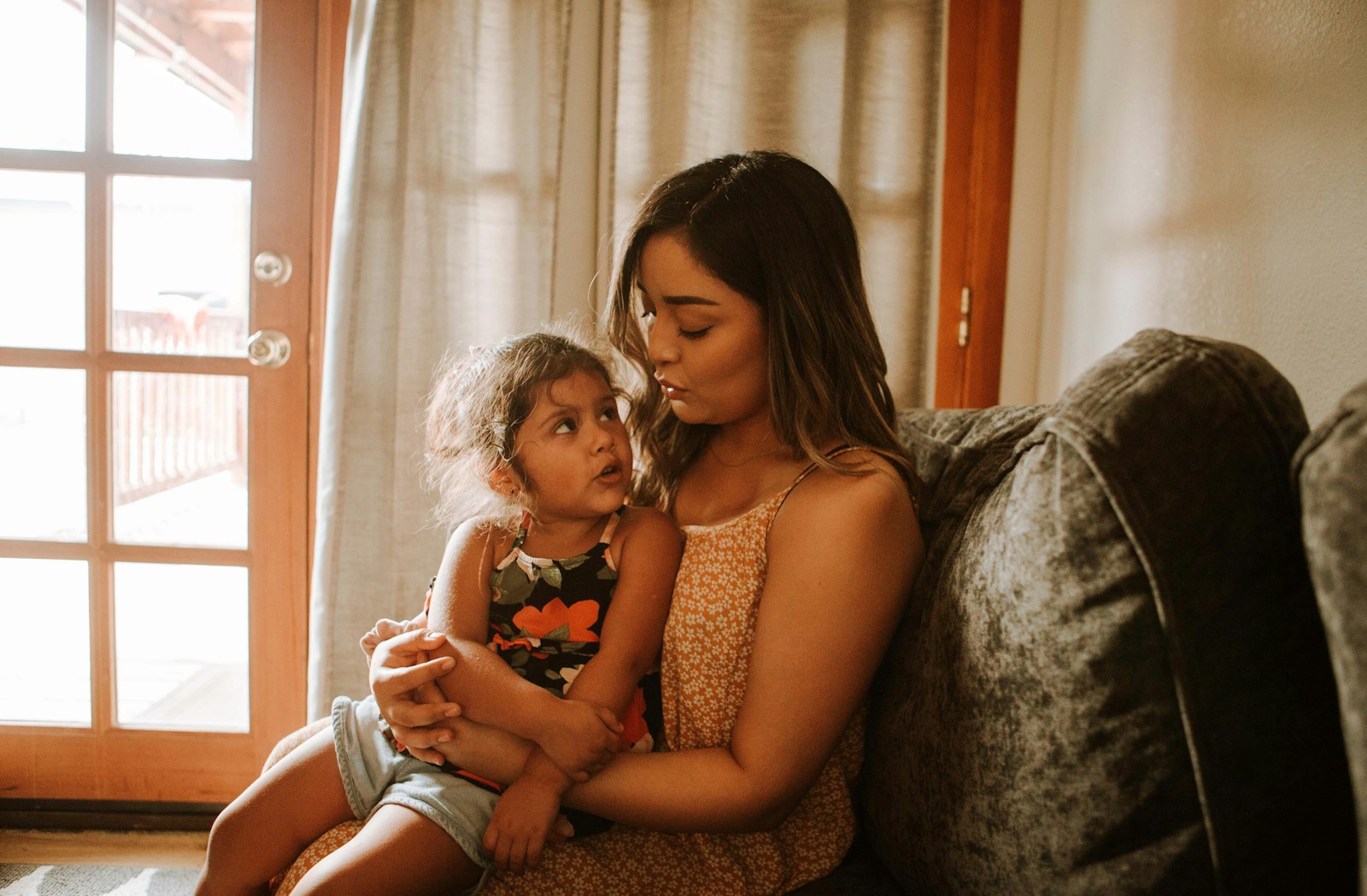
Her story has resonated online because it’s not only about a relationship ending—it’s about what happens next, minute by minute, when a child is involved. She says the hardest moment so far wasn’t the argument that led to his departure. It was hearing her child ask to call Dad, and realizing that saying yes would open a door she couldn’t easily close again.
“He left, and then the questions started”
According to the mother, the split happened quickly, with little warning and even less clarity. She says her husband packed up and left, and the silence that followed felt unreal—like the house was waiting for someone to come back and “fix” the scene. But then real life stepped in, as it always does, in the form of snack requests and cartoon volume negotiations.
She described the first day as a blur: keeping her voice steady, answering what she could, and trying not to cry in front of her child. “I can handle my own feelings later,” she said, “but right now I have to be a safe place.” That’s a tall order when you’re also the one who’s been blindsided.
The phone call that hurt more than she expected
On day two, her 5-year-old asked if they could call Dad. She agreed, hoping it would bring reassurance—maybe even a little normalcy. Instead, she says it highlighted how abnormal everything suddenly is.
The call was short, and she felt like she was watching a scene from outside her own body: her child happily chattering, her husband responding in a way that sounded calm, and her sitting there with a knot in her throat. “It made it real in a whole new way,” she said. After the call ended, her child seemed fine, but she wasn’t. “Letting them call him only deepened the heartbreak,” she admitted.
Why it’s so complicated when kids are involved
Friends and commenters have been quick to offer advice, but the mother says most people underestimate how complex this stage is. On one hand, children benefit from stability and reassurance, and hearing from a parent can be part of that. On the other, when the adult situation is raw, unpredictable, or emotionally volatile, even a simple phone call can feel like reopening a wound.
She also worries about setting a pattern too early—one where her child expects Dad to be available whenever they ask, even if he’s not going to show up consistently. “I don’t want my kid to feel like they’re being ignored,” she said. “But I also can’t keep putting them on the phone just to get their hopes up.”
The invisible work: keeping a child steady while you’re falling apart
In between the big moments, there’s the quiet labor of parenting through grief. She’s still making breakfasts, still finding missing shoes, still pretending bedtime stories aren’t hard when the “family” characters don’t fit the household anymore. “It’s like acting in a play you didn’t audition for,” she said, “and the show is somehow always sold out.”
She’s also fielding questions she didn’t expect from a kindergartener: Where is Dad sleeping? When is he coming home? Did I do something wrong? Each question lands like a pebble at first, then sinks like a stone once you’re alone in the kitchen afterward.
What she wants people to understand about “just be strong”
The mother says she’s heard variations of the same line all week: “Be strong for your child.” She understands the intention, but it can feel like being told to turn off your feelings like a light switch. “I can be strong and still be devastated,” she said. “Those things can exist in the same room.”
She’s trying to model steadiness without pretending everything’s fine. That means admitting, in age-appropriate ways, that grown-ups can have hard days too. It also means giving herself permission to cry after bedtime, in the shower, or in the car—classic, reliable places where tears can have a little privacy.
Early boundaries, messy realities
One of her biggest challenges is deciding what kind of contact should happen right now. She doesn’t want to weaponize access to the child, and she’s clear that her kid deserves love from both parents. But she’s also aware that early routines can set the tone for what comes next, and right now everything feels uncertain.
She’s been leaning on a small circle of trusted people—one friend who checks in without asking for “the whole story,” a sibling who can do school pickup, and a neighbor who dropped off dinner with the kind of casual kindness that makes you cry anyway. “I’m learning that help doesn’t always look like advice,” she said. “Sometimes it’s just someone making sure you ate.”
How others are responding
Online, her story has sparked a mix of empathy and debate. Many people have shared similar experiences, especially the gut-punch of watching a child reach out to a parent who’s chosen distance. Others have urged her to document everything, seek legal guidance, and prioritize predictable communication—suggestions that come from hard-earned experience, even when they land a bit blunt.
Some commenters have focused on the child’s emotional needs, encouraging simple scripts like, “Dad loves you, and grown-up problems aren’t your fault.” Others have reminded her that it’s okay to keep calls structured or supervised until things settle. The common thread is the same: everyone seems to recognize that the first week of a split can feel like walking on a freshly cracked sidewalk—one wrong step and you’re through.
“We’re still picking up the pieces”
For now, she says her goal is small and practical: get through the next few days without letting the situation swallow the whole household. That means routines where she can manage them, comfort where it’s needed, and fewer forced “everything’s okay” moments. “I’m not trying to be perfect,” she said. “I’m trying to be present.”
She doesn’t know what the long-term plan looks like yet, and she’s not pretending she does. What she does know is that the heartbreak isn’t just her own—it echoes when a 5-year-old asks for a phone call, expects a familiar voice, and doesn’t understand why love suddenly comes with scheduling. “We’re still picking up the pieces,” she repeated, “and some of them are smaller than you’d think.”
More from Cultivated Comfort:
- 7 Vintage Home Items From the ’60s That Are Collectors’ Dream Finds
- 7 Vintage Home Goods That Became Collectors’ Gold
- 7 Fast-Food Chains That Changed for the Worse
- 7 Frozen Dinners That Were Better Back in the Day

As a mom of three busy boys, I know how chaotic life can get — but I’ve learned that it’s possible to create a beautiful, cozy home even with kids running around. That’s why I started Cultivated Comfort — to share practical tips, simple systems, and a little encouragement for parents like me who want to make their home feel warm, inviting, and effortlessly stylish. Whether it’s managing toy chaos, streamlining everyday routines, or finding little moments of calm, I’m here to help you simplify your space and create a sense of comfort.
But home is just part of the story. I’m also passionate about seeing the world and creating beautiful meals to share with the people I love. Through Cultivated Comfort, I share my journey of balancing motherhood with building a home that feels rich and peaceful — and finding joy in exploring new places and flavors along the way.