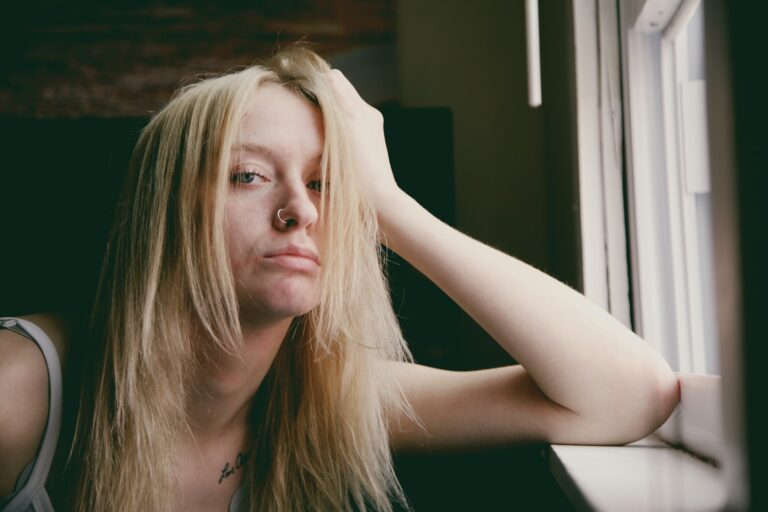
A woman’s late-night account of a terrifying wake-up has been making the rounds online after she described what she believed was a “not human” presence in her bedroom. She said it started as a vivid dream, but quickly turned into something that felt real enough to leave her anxious about going to sleep at all. “It felt like something had power over me until I said a name and everything snapped,” she wrote, describing a moment that still gives her chills.
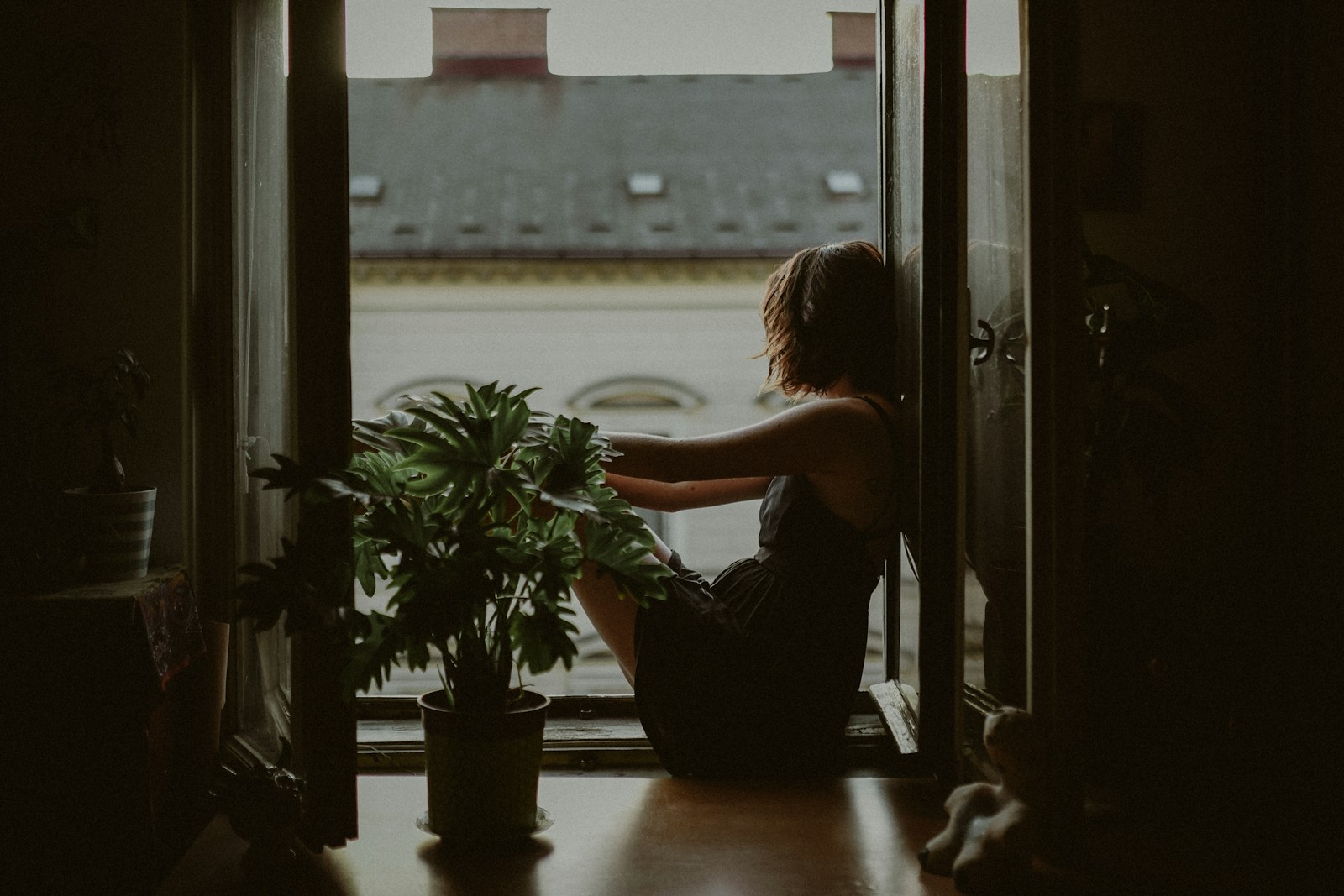
The story struck a nerve for a simple reason: a lot of people have experienced that blurry, unsettling borderland between dreaming and waking. Whether you call it sleep paralysis, a nightmare hangover, stress, or something more mysterious, the feeling of being watched—or trapped—can be deeply rattling. And the way she described “snapping” back into control has plenty of readers wondering what actually happened.
“I Woke Up, But I Didn’t Feel Alone”
In her post, the woman said she jolted awake from a dream with the strong sense that something else was in the room. She didn’t describe a clear figure, but she emphasized the presence felt intelligent and heavy, like it was pressing against the air. She tried to move, and that’s when the fear kicked in—because her body didn’t respond the way she expected.
She wrote that it wasn’t just panic from a bad dream; it was the conviction that she was being “held” in place. She described a buzzing, frozen sensation and a wave of dread that made her feel small in her own bed. “Not human,” she said, repeating it as if that was the only label that fit.
The Moment She Said a Name
What made her story stand out wasn’t only the fear—it was the turning point. She said she managed to force out a name, though she didn’t initially explain why she chose it or where it came from. The second she said it, she claims everything changed: the pressure vanished, her body unlocked, and the room felt normal again.
That abrupt shift is part of why she’s been so shaken. If it had simply faded like a nightmare, she said she might’ve shrugged it off. But because it felt like an instant “release,” she’s been replaying it every night, worrying the experience could return the moment she closes her eyes.
Why People Are Calling It Sleep Paralysis
Many commenters were quick to suggest sleep paralysis, a real and surprisingly common sleep phenomenon where your brain wakes up before your body fully exits its sleep state. During REM sleep, your body is essentially “paralyzed” so you don’t act out dreams. If you wake while that switch is still on, you can feel stuck, unable to move, and often terrified.
The extra twist is that sleep paralysis frequently comes with hallucinations—sounds, shadows, footsteps, a presence at the edge of the bed, even the sense that something is sitting on your chest. People throughout history have described it in supernatural terms, and honestly, it’s not hard to see why. If your body won’t move and your brain is throwing horror-movie vibes into a dark bedroom, it can feel extremely real.
That “Presence” Feeling Has a Name, Too
Sleep researchers often talk about “felt presence,” a phenomenon where someone is convinced another being is nearby despite no clear sensory proof. It can happen with sleep paralysis, high stress, grief, certain medications, and sleep deprivation. The brain is great at pattern-making—and when it’s half-awake, it may try to explain fear with a story: someone’s here.
What the woman called “not human” could be her mind interpreting that presence as unfamiliar or threatening. A presence that doesn’t look like anything specific can feel even scarier, because your brain fills in the blanks. It’s the psychological equivalent of hearing a creak in the hallway and instantly imagining a full intruder narrative.
So Why Did Saying a Name “Snap” Her Out of It?
This part is fascinating, because it matches how some people cope with sleep paralysis. Even though your body may feel frozen, tiny movements—like wiggling a finger, shifting your tongue, changing your breathing—can help break the episode. Focusing hard enough to speak (or even trying to) can also act like a mental lever, pulling you fully awake.
There’s also an emotional angle: names can be grounding. Saying a name tied to safety, faith, family, or a protective memory can interrupt the spiral of fear and give your brain a new script: I’m okay, I’m here, I’m in control. Whether you view it as spiritual protection or a cognitive reset, the practical effect can be the same—your nervous system settles, and the episode ends.
Why She’s Now Afraid to Fall Asleep
After a scare like that, it’s common to develop “sleep anxiety,” where bedtime starts to feel like a risk instead of a rest. The problem is, avoiding sleep can make these episodes more likely, because sleep deprivation increases the chance of disrupted REM and fragmented sleep. It turns into a vicious loop: you’re scared to sleep, you sleep less, and the brain gets even weirder at night.
She said she’s been staying up later, scrolling more, and keeping lights on—anything to delay that vulnerable moment of drifting off. Plenty of readers admitted they’ve done the same after a nightmare or paralysis episode. It’s not dramatic; it’s your brain trying to protect you, even if the strategy backfires.
What Can Help If This Sounds Familiar
Sleep specialists often recommend a few boring-but-effective steps first: keep a consistent sleep schedule, reduce caffeine late in the day, and avoid sleeping on your back, which some people report makes episodes more frequent. Managing stress helps too, because anxiety can fragment sleep and increase vivid dreaming. If you’ve been running on fumes, catching up on rest can genuinely reduce how often it happens.
In the moment, people who experience sleep paralysis often swear by focusing on breath, trying to move a small muscle (like a toe), or reminding themselves, “This is temporary.” If speaking helped her, that might become her strategy: choosing a grounding word or phrase she can aim for if it happens again. And if episodes keep repeating or come with severe anxiety, nightmares, or daytime exhaustion, it’s worth talking to a clinician—sometimes medication, therapy for anxiety, or treatment for underlying sleep disorders can make a big difference.
A Story That Sits Right on the Edge of the Explainable
What’s striking is how universal the fear sounds, even if people disagree on the cause. Some readers interpret stories like this through a spiritual lens, others through neuroscience, and many live somewhere in between: “I don’t know what it was, but I know it felt real.” The woman herself didn’t claim to have all the answers—just the lingering sense that something crossed into her space, and that one word pushed it back out.
And maybe that’s why her post spread so quickly. It’s not just a scary story; it’s a story about control—losing it, getting it back, and then trying to trust sleep again. If you’ve ever jolted awake convinced you weren’t alone, you probably read her words and thought, quietly, yeah… I get it.
More from Cultivated Comfort:
- 7 Vintage Home Items From the ’60s That Are Collectors’ Dream Finds
- 7 Vintage Home Goods That Became Collectors’ Gold
- 7 Fast-Food Chains That Changed for the Worse
- 7 Frozen Dinners That Were Better Back in the Day

As a mom of three busy boys, I know how chaotic life can get — but I’ve learned that it’s possible to create a beautiful, cozy home even with kids running around. That’s why I started Cultivated Comfort — to share practical tips, simple systems, and a little encouragement for parents like me who want to make their home feel warm, inviting, and effortlessly stylish. Whether it’s managing toy chaos, streamlining everyday routines, or finding little moments of calm, I’m here to help you simplify your space and create a sense of comfort.
But home is just part of the story. I’m also passionate about seeing the world and creating beautiful meals to share with the people I love. Through Cultivated Comfort, I share my journey of balancing motherhood with building a home that feels rich and peaceful — and finding joy in exploring new places and flavors along the way.