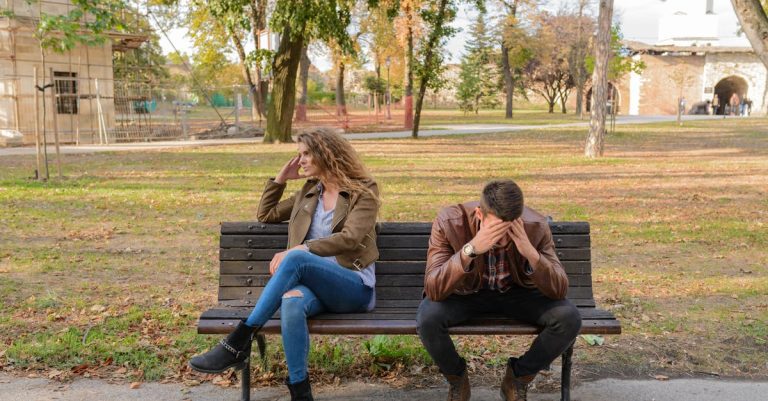
A woman says a tense argument with her partner escalated into physical violence, leaving her with a split lip and a question she can’t shake: what happens next when someone says they’re sorry, but your body remembers the fear? In a post that’s now being widely shared and discussed online, she described a night that started like so many couple fights do—sharp words, raised voices, and that familiar feeling of being misunderstood—until it took a turn she never expected.
Her account has struck a chord with readers because it’s not framed as a sensational story. It’s messy, human, and painfully relatable in the way it captures the split second where a relationship changes shape. And for many people following along, the hardest part isn’t the headline moment—it’s the aftermath, when apologies arrive and the shock wears off.
“It started as an argument… then everything shifted”
According to her telling, the disagreement built gradually, fueled by frustration that had been stacking up for a while. She didn’t present it as a dramatic blow-up from nowhere; it sounded like the kind of conflict couples sometimes convince themselves they can “talk through,” even when the conversation is already sliding downhill.
Then, she says, it turned physical. She ended up with a split lip, the kind of injury that’s small enough to be hidden with makeup but big enough to feel huge when you look in the mirror. She described the moment as surreal—like her brain was trying to catch up with what her face was already confirming.
The apology came fast, but the fear didn’t leave
After it happened, she says her partner cried and apologized. He told her he didn’t mean it, that it would never happen again, that he was horrified with himself. The words were emotional, immediate, and in their own way convincing—especially to someone who still loves the person standing in front of them.
But she admitted something that many commenters recognized instantly: she can’t forget what happened. The injury may heal, but the mental replay has a longer timeline. It’s hard to unsee the moment someone crosses a line, even if they spend the next hour insisting they’re not “that kind of person.”
Why this kind of story spreads so quickly
Posts like hers tend to travel because they sit at the intersection of love, safety, and denial—three things people don’t like to admit can exist in the same room. Plenty of readers aren’t rubbernecking; they’re comparing notes with their own past, their friend’s relationship, or the warning signs they wish they’d taken seriously.
It also taps into a really common trap: the idea that if someone feels bad enough afterward, it somehow cancels out what they did. An apology can be real and still not be enough. Remorse might matter, but it doesn’t erase the fact that the physical boundary got broken.
“I believe he’s sorry… so why do I still feel stuck?”
The woman’s central conflict wasn’t whether he apologized. It was what that apology is supposed to do for her now—make her feel safe, make her forgive, make her move on, make her stop thinking about it. And when none of those things happen automatically, it can make someone feel guilty on top of everything else.
Many people responding to her story emphasized a tough truth: being sorry is about the person who did harm owning it, not about the person who was harmed rushing to feel okay. You don’t owe anyone instant peace just because they’re emotional. Healing doesn’t work like a receipt you get for accepting an apology.
What readers said: sympathy, alarm, and hard boundaries
The response online was a mix of compassion and urgency. Some people focused on the split lip itself—encouraging her to document the injury, take photos, and seek medical care if needed. Others zoomed out to the bigger pattern, asking whether this was truly a one-time event or the first time it became visible.
A common theme in comments was blunt but protective: if a partner becomes violent once, it can happen again, and often the second time comes faster. People shared personal stories of “He cried and apologized” being followed by another incident weeks or months later. Not everyone’s experience is identical, but the pattern is familiar enough that readers weren’t shy about naming it.
The quiet part: the relationship feels different now
One of the most heartbreaking details in stories like this is how ordinary life continues around the injury. There are texts to answer, dishes in the sink, work the next day. Meanwhile, inside the relationship, a new question moves in: what else could happen if things get heated again?
Even if the physical violence never repeats, the fear can. People can find themselves monitoring tone, avoiding certain topics, choosing silence over honesty—basically living like a peacekeeper in their own home. That’s not love being “dramatic”; that’s a nervous system doing its job.
Experts often point to safety first, not promises
In situations involving partner violence, advocates typically stress prioritizing immediate safety over trying to solve the relationship in the moment. That can mean staying with a trusted friend or family member, having access to money and keys, and making sure someone else knows what happened. It can also mean reaching out to local support services for guidance tailored to her area and circumstances.
People also noted that real accountability usually looks bigger than tears. It can involve seeking counseling from qualified professionals, enrolling in an intervention program specifically designed for abusive behavior, and respecting whatever boundaries the harmed partner sets—including distance. Promises are easy; consistent change is the part that takes time and outside help.
Where things stand now
The woman hasn’t presented her situation as neatly resolved. If anything, her post reads like someone standing in a doorway, trying to decide whether to go back into a room that suddenly feels unfamiliar. She’s weighing the version of him who apologized against the version of him who hurt her, and noticing that both can be true.
That’s the uncomfortable reality her story has put into public view: sometimes the biggest “relationship question” isn’t whether love exists. It’s whether safety does, and whether trust can survive an act that changed the rules. As one reader put it, you can care about someone and still choose not to stay where you got hurt.
More from Cultivated Comfort:
- 7 Vintage Home Items From the ’60s That Are Collectors’ Dream Finds
- 7 Vintage Home Goods That Became Collectors’ Gold
- 7 Fast-Food Chains That Changed for the Worse
- 7 Frozen Dinners That Were Better Back in the Day

As a mom of three busy boys, I know how chaotic life can get — but I’ve learned that it’s possible to create a beautiful, cozy home even with kids running around. That’s why I started Cultivated Comfort — to share practical tips, simple systems, and a little encouragement for parents like me who want to make their home feel warm, inviting, and effortlessly stylish. Whether it’s managing toy chaos, streamlining everyday routines, or finding little moments of calm, I’m here to help you simplify your space and create a sense of comfort.
But home is just part of the story. I’m also passionate about seeing the world and creating beautiful meals to share with the people I love. Through Cultivated Comfort, I share my journey of balancing motherhood with building a home that feels rich and peaceful — and finding joy in exploring new places and flavors along the way.