Airports have a way of turning small problems into big feelings. A delayed flight, a gate change, a cramped seat assignment, and suddenly everyone’s nerves are sitting right on the surface. That’s exactly the mood passengers walked into this week when a heated argument at a busy terminal gate was filmed by a bystander and posted online with a pointed caption: “People deserve to see how rude travelers act.”
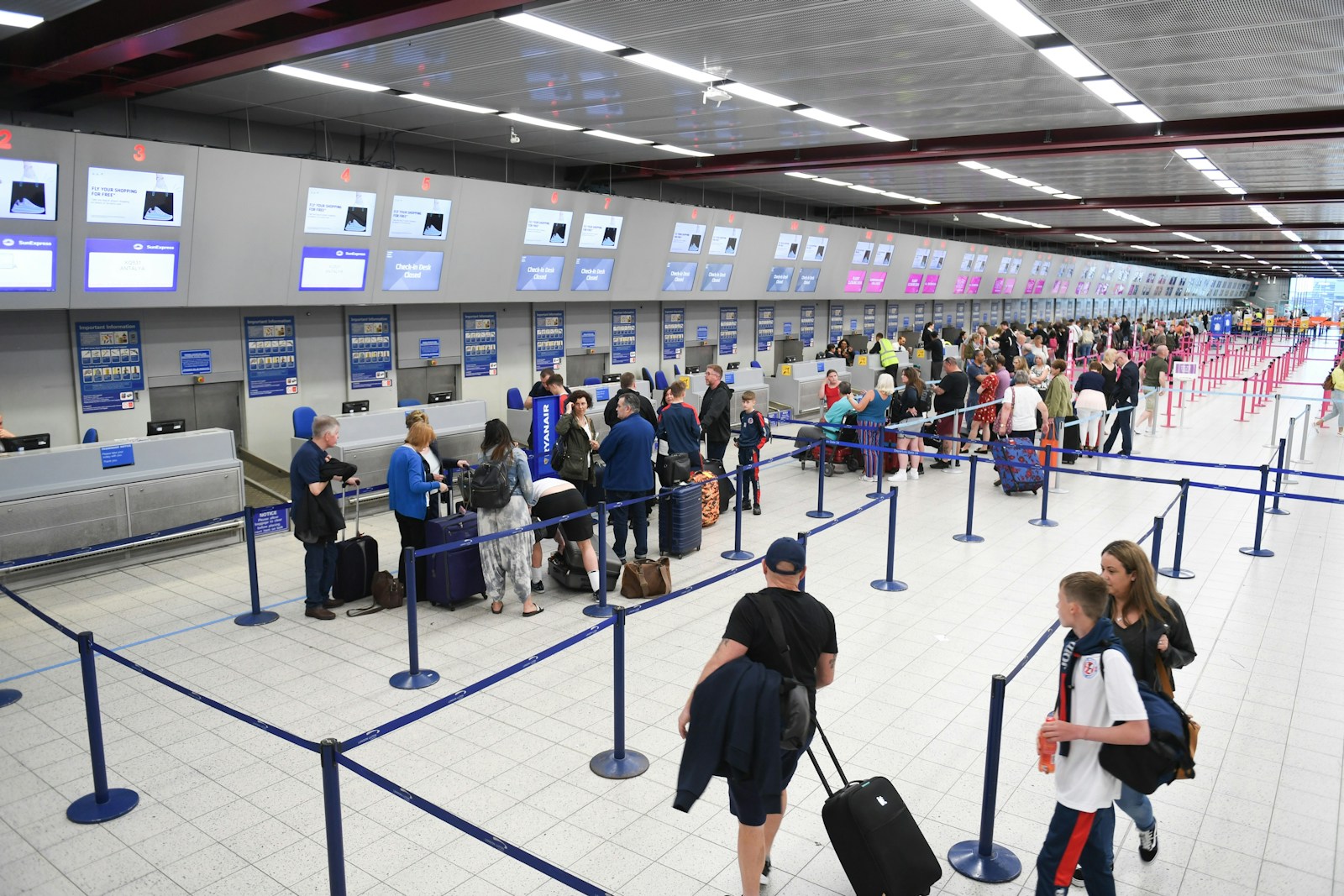
The clip, which has been shared across multiple platforms, shows a tense exchange between two travelers and a gate agent, with surrounding passengers watching in that familiar mix of discomfort and curiosity. It’s not the loudest airport scene anyone’s ever seen, but it hits a nerve because it feels so recognizable. And because, in 2026, nothing really “stays at the gate” anymore.
What happened at the gate
According to several passengers who spoke about the incident online, the dispute started over boarding order and seating changes after a last-minute aircraft swap. The airline reportedly needed to reassign seats to accommodate equipment differences, which can shrink legroom sections or remove certain seat configurations altogether. That kind of reshuffling is common, but it rarely feels “normal” to the person who suddenly loses the aisle seat they picked weeks ago.
In the video, one traveler insists they “paid for that seat,” while the gate agent repeats that the system won’t allow boarding without accepting the updated assignment. The second traveler jumps in, accusing the airline of “bait-and-switch,” and the conversation quickly shifts from problem-solving to posturing. You can almost hear the moment the whole thing stops being about seats and becomes about respect.
The filmer’s caption lit the fuse
The person recording isn’t visible, but their voice is audible briefly, and their caption does the heavy lifting. “People deserve to see how rude travelers act,” it reads, framing the travelers as the villains before anyone presses play. That framing matters, because viewers don’t just watch what happened—they watch what they’re supposed to think about what happened.
Plenty of commenters applauded the post as “accountability,” arguing that public shaming discourages bullying behavior toward airline staff. Others weren’t buying it, calling the recording “performative,” “clout chasing,” or a one-sided snapshot of a much longer, messier situation. The split reaction is telling: we’re not only arguing about manners anymore, we’re arguing about who gets to document them.
Why airport conflicts feel extra explosive
Travel stress is its own special cocktail. People are hungry, tired, packed into lines, and trying to make connections that were already tight before the delay. Add in money—bag fees, seat fees, upgrade fees—and it’s easy for someone to feel like they’ve paid a premium just to be inconvenienced.
Gate agents, meanwhile, are often managing a puzzle with missing pieces. They’re stuck between corporate policies, a boarding clock, and a crowd that wants individual solutions immediately. The mismatch is brutal: passengers want empathy and flexibility, while agents are judged on speed and compliance.
When filming becomes part of the conflict
Recording in public spaces is generally legal in many places, but legality isn’t the same as courtesy. The moment a phone goes up, the argument changes shape. People perform, voices harden, and the pressure to “win” the moment grows because now it’s not just the gate—it’s the internet.
There’s also the issue of context. A 45-second clip can’t show the three hours of delays, the earlier conversations, or whether someone had already been told three different things by three different employees. Viewers are left with the most dramatic slice, which is kind of like judging a whole movie by the scene where someone yells.
Travelers, staff, and the problem with instant verdicts
A lot of people watching the video sympathized with the gate agent. Airline employees have become the face of problems they didn’t create, and they get the brunt of passenger frustration even when they’re just delivering the bad news. If you’ve ever watched someone unload on a cashier because a coupon expired, you get the dynamic.
At the same time, some viewers pointed out that passengers aren’t always wrong for being upset. If someone paid for a specific seat or accommodation and loses it, that’s not a trivial issue—especially for travelers with anxiety, disabilities, or tight itineraries. The tricky part is separating a valid complaint from a disrespectful delivery, and social media isn’t exactly famous for nuance.
What airlines actually can (and can’t) do at the gate
In seat-change situations, gate agents are usually working within strict constraints. If an aircraft type changes, certain seats may not exist anymore, and the system may automatically reassign passengers based on fare class, status, or check-in time. Agents can sometimes move people around, but it depends on availability and the software rules they’re stuck with.
Refunds for seat fees can also be complicated in the moment. Many airlines require the adjustment to be processed after travel, or through customer support, which is the last thing anyone wants to hear when they’re standing five feet from the jet bridge. It’s an unfortunate reality: the gate is great at getting planes out, not always great at making passengers feel made whole.
How to handle a gate dispute without becoming the main character
Frequent travelers offered a few practical suggestions in response to the video, and they’re surprisingly simple. First, keep the ask specific: “Can you check if any aisle seats are still open?” lands better than “This is unacceptable.” Second, request options: “If I can’t keep the seat, how do I get the fee refunded?” gives the agent a clear next step.
It also helps to step slightly aside so the line keeps moving. Agents are more likely to troubleshoot when they’re not trying to talk over a crowd. And if you feel yourself boiling, take a breath and remember the most brutal truth of modern travel: being right doesn’t always get you on the plane faster.
The bigger question: Is public shaming “accountability”?
The viral post has reopened a debate that never really goes away: when does documenting bad behavior help, and when does it just escalate things? Some argue that filming protects employees and other passengers by creating a record. Others say it turns normal people having a rough day into content, with no chance to explain or repair the moment.
There’s also the odd power dynamic of the camera itself. The person filming gets to narrate the story with a caption and edits, and the subjects rarely consent or even know they’re being broadcast. In a place as stressful as an airport, that can feel less like accountability and more like ambush.
What happened after the video spread
The airline involved hasn’t publicly identified the passengers, and the video doesn’t show enough detail to confirm specific names. Some commenters claimed the travelers were removed from the flight, while others insisted they boarded after accepting new seats. Without official confirmation, those claims are mostly internet telephone, traveling at the speed of outrage.
What is clear is how quickly a private frustration became a public label. In the span of a few hours, the travelers went from “people having an argument” to “rude travelers” in thousands of strangers’ minds. And that’s the thing about airport videos: they don’t just capture a moment, they freeze it and hand it a headline.
For anyone watching, the clip is a reminder that the gate isn’t just a staging area for a flight anymore. It’s a stage, period. And whether you’re the person arguing, the person helping, or the person filming, there’s a decent chance your worst 60 seconds could end up traveling farther than you do.
More from Cultivated Comfort:
- 7 Vintage Home Items From the ’60s That Are Collectors’ Dream Finds
- 7 Vintage Home Goods That Became Collectors’ Gold
- 7 Fast-Food Chains That Changed for the Worse
- 7 Frozen Dinners That Were Better Back in the Day

As a mom of three busy boys, I know how chaotic life can get — but I’ve learned that it’s possible to create a beautiful, cozy home even with kids running around. That’s why I started Cultivated Comfort — to share practical tips, simple systems, and a little encouragement for parents like me who want to make their home feel warm, inviting, and effortlessly stylish. Whether it’s managing toy chaos, streamlining everyday routines, or finding little moments of calm, I’m here to help you simplify your space and create a sense of comfort.
But home is just part of the story. I’m also passionate about seeing the world and creating beautiful meals to share with the people I love. Through Cultivated Comfort, I share my journey of balancing motherhood with building a home that feels rich and peaceful — and finding joy in exploring new places and flavors along the way.