It started the way a lot of modern neighborhood drama starts: with a “helpful” upgrade. One evening, my neighbor mounted a brand-new LED floodlight on the side of his house, and by nightfall it had turned my bedroom into a low-budget interrogation room. I’ve slept through thunderstorms, barking dogs, and the occasional midnight street-racer, but sleeping through daylight at 2 a.m.? That’s a new challenge.
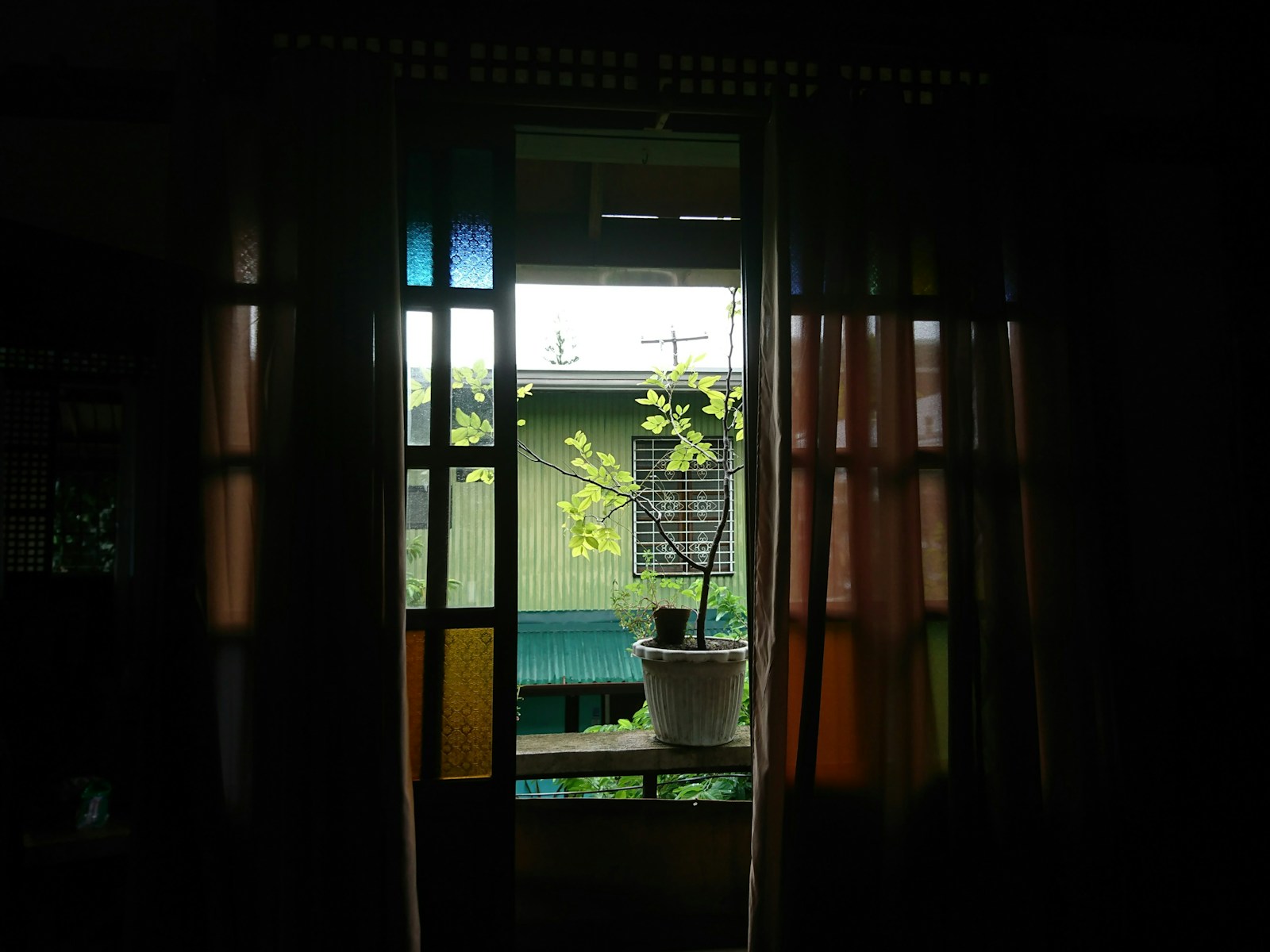
At first I assumed it was temporary, maybe a test run. But after a few nights of squinting at the ceiling while my blinds glowed like a lantern, I walked over and asked if he could angle it down a bit. He didn’t get angry, exactly—just firm, like he was reading from a script: “Security matters more than comfort.”
A light meant for safety, landing like a spotlight
Security lighting is having a moment, and it’s not hard to see why. Porch pirates are real, car break-ins happen, and social media has convinced half of us that every shadow is a potential suspect. Bright lights feel like an easy fix—set it and forget it, with the added bonus of making your driveway look like an airport runway.
The catch is that light doesn’t respect property lines. A fixture that’s “protecting” one house can spill into another home’s windows, yard, or patio and turn someone else’s night into a permanent dusk. That’s when safety starts to feel a little less like protection and a little more like collateral damage.
“Security over comfort” sounds reasonable… until you’re the one losing sleep
When my neighbor said it, I could hear the logic. Nobody wants their home to feel vulnerable, and he probably imagined the light as a simple deterrent. But it also carried a quiet message: my peace and privacy ranked below his sense of control.
And the thing is, comfort isn’t a luxury when it comes to sleep. Chronic sleep disruption can mess with mood, focus, and overall health, and it’s surprisingly hard to “just get used to it” when your room keeps flashing bright every time a moth flies by. You don’t have to be dramatic about it to know it’s not great.
Why these floodlights feel extra intense now
Older outdoor lights used to be warmer, dimmer, and kind of forgiving. Today’s LEDs are energy-efficient, long-lasting, and often extremely bright—sometimes far brighter than people realize when they buy them online. Many models also come in cool color temperatures that feel harsher to the eye, especially at night.
Motion sensors can add another layer of chaos. One cat, one passing car, or one windy branch can trigger a full-power blast right into someone’s window. If you’ve ever been jolted awake by a sudden burst of white light, you know it’s not just “a little annoying”—it’s like your bedroom is briefly on stage.
The neighbor-to-neighbor etiquette nobody teaches
Most people aren’t trying to be rude; they’re trying to feel safe. But outdoor lighting has an etiquette problem because it’s one of those home upgrades that affects everyone nearby. The polite version of “I’m adding a bright light” is usually a quick heads-up and a willingness to adjust it if it’s causing issues.
That’s also why my neighbor’s line hit a nerve. It wasn’t simply about the light—it was the refusal to even consider a compromise. Neighborhoods run on small acts of cooperation, and nothing tests that faster than a conflict that repeats every night at bedtime.
What a reasonable fix looks like (and it’s not “turn it off forever”)
Here’s the part that often gets lost: you can keep security lighting and still be considerate. Aiming the fixture downward, adding a shield, or swapping to a lower-lumen bulb can dramatically reduce spill without making the property feel unprotected. Even a slight angle change can mean the difference between lighting a driveway and lighting a neighbor’s pillow.
Motion settings matter too. Shorter timeouts, narrower detection zones, and lower sensitivity can stop the “every squirrel triggers DEFCON 1” problem. In a lot of cases, the most effective security lighting is targeted, not blinding.
How people are handling it in communities right now
This isn’t just a one-off petty dispute. Many neighborhoods are seeing more complaints about light trespass—light spilling from one property into another—especially as brighter fixtures become cheaper and more common. Some communities are responding with dark-sky friendly guidelines, while others lean on existing nuisance rules that were originally written for noise or other disruptions.
Homeowners’ associations, where they exist, can be surprisingly specific about exterior lighting angles and brightness. Cities and towns vary widely: some have lighting ordinances, some don’t, and some only regulate commercial properties. But even without formal rules, there’s often room for a practical conversation before anything escalates.
If you’re the one staring into the glow: what to say next
If your neighbor shuts you down with a one-liner, it helps to come back with specifics rather than emotions. “The light shines directly into my bedroom window between 10 p.m. and 6 a.m., and it’s waking me up” lands differently than “Your light is ruining my life,” even if the second one feels true at 3 a.m. Suggest one or two concrete adjustments: an angle change, a shield, or a motion setting tweak.
It can also help to frame it as teamwork, not a demand. Something like, “I’m not asking you to remove it—just to aim it so it lights your yard instead of my window,” gives him a path to say yes without feeling like he’s losing. People get weirdly competitive about home security, as if dimming a light means inviting trouble, so the calmer the framing, the better.
If you’re the one who installed the light: an easy gut-check
Stand in your neighbor’s yard or, better yet, ask to see the view from their window at night. If you’d be annoyed by that brightness pointed at your own home, you’ve got your answer. Security lighting works best when it illuminates what you need to see, not when it floods the entire block.
Also, consider whether you’re using light as a proxy for security. Cameras, good locks, trimmed shrubs, and consistent routines often do more than a stadium-bright beam. A well-aimed, moderate light plus a camera can be both safer and less disruptive than turning nighttime into permanent noon.
What happens if talking doesn’t work
Sometimes, despite your best “friendly neighbor” voice, the answer stays no. If you’re stuck, documenting the issue can be useful—photos showing the beam entering your window, notes on times it’s triggered, and any messages you’ve exchanged. It’s not about building a case for war; it’s about being clear if you need to ask a third party for help.
Depending on where you live, a city code office, mediation service, or HOA may offer a path that’s less dramatic than a legal fight. The goal, ideally, is a practical adjustment, not a months-long feud conducted through passive-aggressive landscaping. Nobody wants to become “the floodlight house” on the block, even if they pretend they don’t care.
For now, my bedroom’s still brighter than I’d like, and my neighbor’s still convinced he’s doing the responsible thing. But most of these disputes don’t end with one person “winning”—they end when someone finds a small tweak that lets everyone sleep. And honestly, if a $15 light shield can restore darkness without sacrificing safety, that feels like the kind of security upgrade everyone can live with.
More from Cultivated Comfort:
- 7 Vintage Home Items From the ’60s That Are Collectors’ Dream Finds
- 7 Vintage Home Goods That Became Collectors’ Gold
- 7 Fast-Food Chains That Changed for the Worse
- 7 Frozen Dinners That Were Better Back in the Day

As a mom of three busy boys, I know how chaotic life can get — but I’ve learned that it’s possible to create a beautiful, cozy home even with kids running around. That’s why I started Cultivated Comfort — to share practical tips, simple systems, and a little encouragement for parents like me who want to make their home feel warm, inviting, and effortlessly stylish. Whether it’s managing toy chaos, streamlining everyday routines, or finding little moments of calm, I’m here to help you simplify your space and create a sense of comfort.
But home is just part of the story. I’m also passionate about seeing the world and creating beautiful meals to share with the people I love. Through Cultivated Comfort, I share my journey of balancing motherhood with building a home that feels rich and peaceful — and finding joy in exploring new places and flavors along the way.