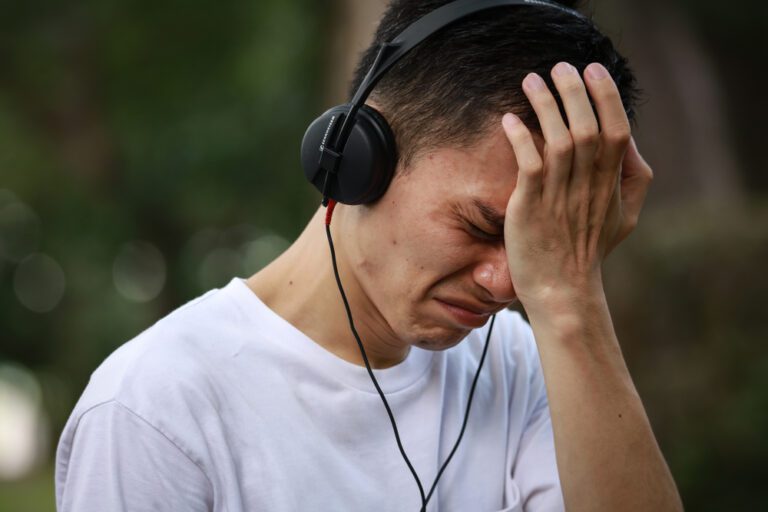
A woman’s viral confession has struck a chord with people exhausted by modern dating dynamics. She admits that watching toxic partners succeed romantically while kind people struggle has made her question whether being a good person even matters anymore. Her frustration reflects a growing sentiment that the dating world rewards the wrong behaviors.

Her observations highlight a troubling pattern: people who display selfishness, emotional unavailability, and disrespect often seem to have no shortage of romantic options, while those who prioritize empathy and respect feel overlooked. The contrast has left her wondering if kindness has become a liability rather than an asset in finding love.
This isn’t just one person’s complaint. Many recognize recurring patterns in toxic relationships where harmful dynamics somehow persist and even flourish. The woman’s question cuts to the heart of a modern dilemma: what happens when the dating landscape seems to punish the very qualities that make healthy relationships possible?
Why Toxic Partners Seem To Thrive In Modern Dating
Toxic partners often succeed in dating environments because they exploit psychological vulnerabilities and modern dating behaviors that have become normalized, creating intense emotional experiences that many people mistake for genuine connection.
The Appeal Of Toxic Partners
Toxic partners create what feels like an addictive rush through unpredictable behavior patterns. When someone alternates between intense affection and cold distance, it triggers a dopamine response similar to gambling—the intermittent rewards keep people hooked. A person might experience their most passionate moments with someone who also causes their deepest pain.
The intensity feels like proof of real feelings. Someone dealing with gaslighting or emotional abuse might actually interpret the chaos as evidence of a deeper bond. Toxic partners often present themselves as misunderstood or damaged, which appeals to those who want to help or “fix” someone.
Childhood attachment patterns play a significant role in this attraction. People raised in unpredictable environments may find toxic relationships familiar rather than alarming. The drama registers as normal rather than dangerous.
Common Signs Of Toxic Relationships
A toxic relationship typically involves one person walking on eggshells around their partner’s moods. The patterns include constant blaming where one person never takes responsibility for their actions.
Key warning signs include:
- Verbal abuse disguised as “brutal honesty” or jokes
- Psychological abuse through isolation from friends and family
- Controlling behavior over clothing, social media, or daily schedules
- Making their partner feel crazy for having normal emotional reactions
These toxic relationships often feature cycles where terrible behavior gets followed by apologies and promises to change. The person being hurt starts making excuses for treatment they’d never accept for a friend. They might minimize incidents or convince themselves things aren’t “that bad.”
Emotional Impact Of Toxicity
Living in a toxic relationship rewires how someone’s nervous system responds to stress. They become hypervigilant, constantly scanning for signs of an upcoming conflict. The emotional abuse creates a state where the person feels relief just from their partner being in a decent mood.
People in these situations often report feeling exhausted, anxious, and confused about reality. The constant blaming makes them question their own perceptions and memories. Some describe feeling like they’ve lost themselves entirely.
The psychological abuse can manifest physically through headaches, stomach problems, and disrupted sleep. Many people stay because they’ve been convinced no one else would want them, or they fear being alone more than they fear the pain of staying.
Does Kindness Still Matter? Rethinking Dating Values
The shift in dating culture has left many wondering whether traditional values like kindness have become liabilities rather than assets. People who prioritize compassion often find themselves questioning their approach after watching less considerate partners succeed.
Challenges Kind People Face In Modern Dating
Kind individuals frequently encounter partners who interpret their compassion as weakness or availability for exploitation. They report experiencing patterns where toxic partners seem to attract more attention and commitment than those offering genuine care.
Dating apps have amplified these challenges by creating environments where surface-level traits overshadow deeper character qualities. People who lead with kindness often struggle to communicate their value in brief profile interactions.
Common obstacles include:
- Being taken for granted by partners who expect constant emotional labor
- Attracting people seeking caretakers rather than equal partnerships
- Experiencing financial abuse from partners who exploit their generosity
- Difficulty learning to spot red flags in a relationship when defaulting to seeing the best in others
The chronic stress of repeated disappointments accumulates over time. Many kind people develop anxiety around dating, wondering if they need to fundamentally change who they are to find success.
Rebuilding Confidence After Abusive Relationships
Survivors of abusive relationships often struggle with deep-seated doubts about their judgment and worth. They question whether their kindness made them targets or prevented them from recognizing danger signs earlier.
The psychological impact extends beyond the relationships themselves. Many experience ongoing mental health challenges including depression, anxiety, and post-traumatic stress symptoms. Some develop a fear of being alone that conflicts with their fear of entering another harmful situation.
Support groups provide crucial validation for survivors processing these experiences. Connecting with others who’ve faced similar patterns helps people understand that their kindness wasn’t the problem—their partner’s choice to abuse was.
Recovery involves separating self-blame from accountability. While survivors can learn to recognize warning signs earlier, the responsibility for abusive relationship dynamics lies with the person choosing harmful behaviors.
Building Healthy Relationships Moving Forward
People reevaluating their approach to dating often discover that kindness itself isn’t the issue—it’s the boundaries around it. Those who find healthy relationships typically maintain their core values while developing stronger self-advocacy.
This shift involves distinguishing between kindness and self-sacrifice. Partners in functional relationships show care without abandoning their own needs or accepting mistreatment. They recognize that mutual respect requires both people to practice consideration.
Research on healthy relationships shows that successful couples actually prioritize kindness consistently. Happy couples make five times as many positive as negative comments to each other and perform small caring acts regularly.
The difference lies in reciprocity. Kindness works when both partners contribute to the relationship’s emotional maintenance rather than one person carrying the entire load.
More from Cultivated Comfort:
- 7 Vintage Home Items From the ’60s That Are Collectors’ Dream Finds
- 7 Vintage Home Goods That Became Collectors’ Gold
- 7 Fast-Food Chains That Changed for the Worse
- 7 Frozen Dinners That Were Better Back in the Day

As a mom of three busy boys, I know how chaotic life can get — but I’ve learned that it’s possible to create a beautiful, cozy home even with kids running around. That’s why I started Cultivated Comfort — to share practical tips, simple systems, and a little encouragement for parents like me who want to make their home feel warm, inviting, and effortlessly stylish. Whether it’s managing toy chaos, streamlining everyday routines, or finding little moments of calm, I’m here to help you simplify your space and create a sense of comfort.
But home is just part of the story. I’m also passionate about seeing the world and creating beautiful meals to share with the people I love. Through Cultivated Comfort, I share my journey of balancing motherhood with building a home that feels rich and peaceful — and finding joy in exploring new places and flavors along the way.