Some business stories aren’t really about business at all. They’re about control, expectations, and the quiet ways people get used to having influence without ever needing to explain it. This one hits that nerve almost immediately because, on paper, nothing about it sounds controversial. A small café owner pays staff well, removes tipping, and runs a structured, respectful workplace. But the reaction to that setup? Surprisingly intense.
That’s what makes this story so compelling. It reveals something deeper than standard customer complaints. It highlights how uncomfortable some people become when they lose the ability to “reward” or “punish” service workers in real time. Once that dynamic disappears, the entire experience can feel different to them, even if the service itself hasn’t changed at all.

A Business Model That Breaks the Usual Rules
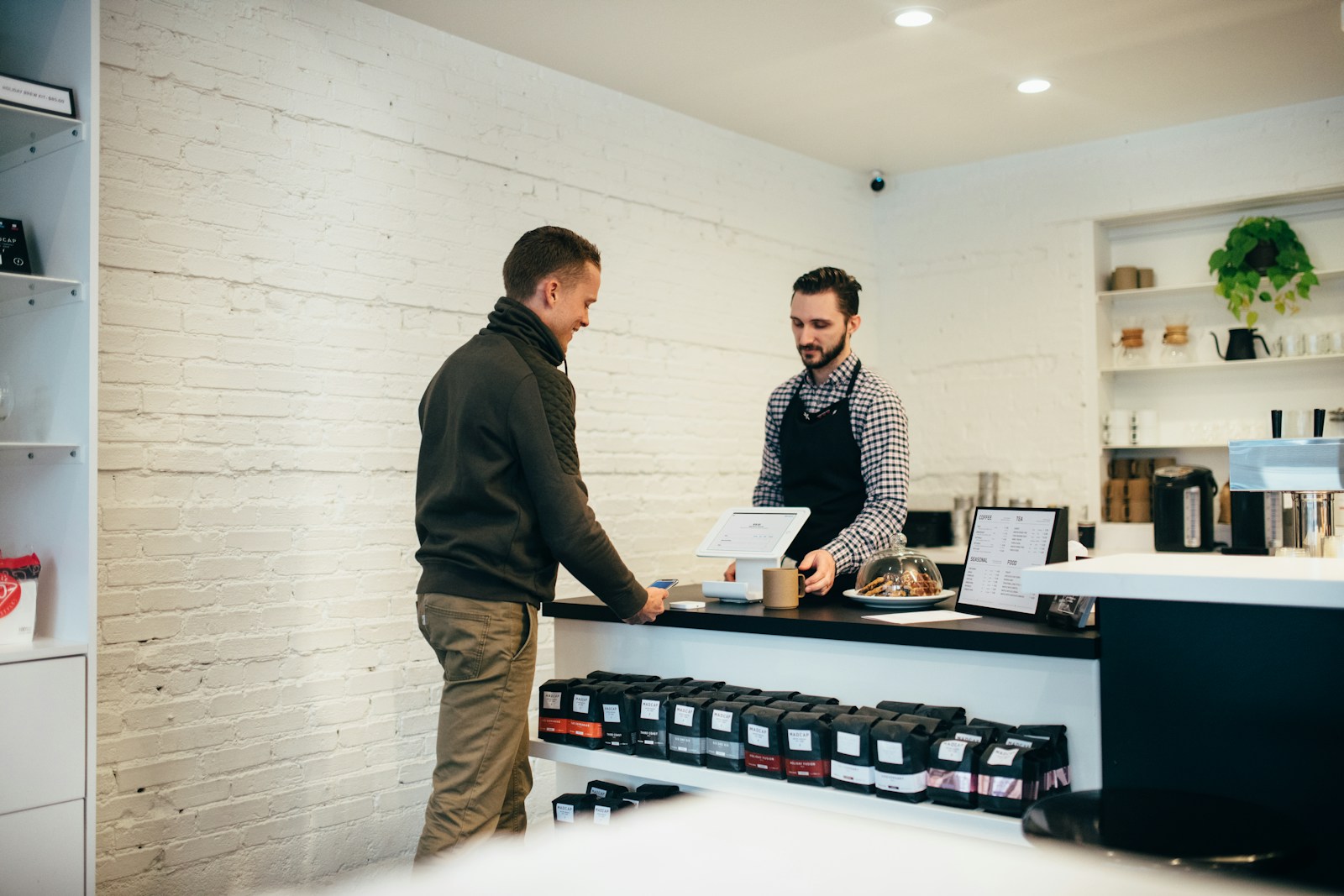
The café itself is small and stable, with around ten employees, many of whom have worked there for years. That consistency suggests a workplace that functions well internally, which is often rare in the food service industry. Instead of relying on tips, the owner made a deliberate choice to structure the business differently.
Every employee is paid a solid, dependable wage. There’s no expectation that customers will supplement income through gratuity, and the pricing reflects that. Clear signage at both the entrance and the counter explains the policy, making it visible before anyone even orders.
There’s no tip jar, no subtle prompts, and no awkward moment at checkout where customers feel pressured to add something extra. If someone insists on tipping, the money goes directly to the server, but the business itself doesn’t encourage or rely on it. For regular customers, this system works smoothly. They know what to expect, and the experience feels consistent and straightforward.
Where Expectations Start to Clash
The tension begins when new customers walk in expecting the traditional tipping model. For many people, tipping isn’t just a habit, it’s part of how they navigate service environments. It shapes how they interact with staff and how they interpret the quality of what they’re receiving.
Some customers assumed they could use tips as a way to influence their experience. They offered money in exchange for faster service or more attention, treating it almost like an unspoken negotiation.
One example stood out in particular. A man placed cash on the table at the start of his visit and began subtracting from it whenever he felt the service didn’t meet his expectations. It wasn’t framed as feedback or appreciation, but as a visible system of reward and punishment. Others approached it differently but with the same underlying expectation. They complained about service quality and asked for gratuity to be removed from their bill, only to be told there was no gratuity included in the first place. That’s when the frustration became more obvious.
When the System Doesn’t Bend
According to the owner, some customers reacted with visible irritation once they realized the pricing model wasn’t flexible. There was no hidden fee to remove, no tip to adjust, and no way to alter the financial aspect of the interaction based on personal satisfaction.
For those used to tipping as a form of control, this felt like something had been taken away. Even though the service itself remained the same, the lack of influence made the experience feel different. That’s where the conflict truly sits. The café operates on the idea that service should be consistent for everyone, regardless of who is willing to pay extra. But for some customers, that removes a layer of interaction they’ve come to expect, even if they don’t consciously recognize it.
The Unspoken Role of Tipping
At the heart of this story is a clash between two perspectives on what tipping represents. On one side, it’s framed as a gesture of appreciation, a way to thank someone for good service. On the other, it functions as a tool that allows customers to feel like they have some level of control over the experience.
Without that tool, the relationship between customer and staff shifts. It becomes more equal, less transactional in a personalized way, and more aligned with how most other businesses operate. For some people, that shift feels fair and even refreshing. For others, it creates discomfort because it removes a familiar dynamic they didn’t realize they relied on.
Why This Story Resonated So Strongly
This situation gained attention because it taps into a much larger conversation about tipping culture and what it represents. While many people support the idea of fair wages and consistent pay, the transition away from tipping challenges long-standing habits and expectations.
It also exposes a less-discussed side of tipping. In certain situations, it’s not just about gratitude, but about status, influence, and the ability to demand more than what’s standard. When that layer is removed, the reaction can feel surprisingly emotional, even if the actual service hasn’t changed. That emotional response is what made the story stand out.
How People Interpreted the Situation
Most reactions leaned strongly in favor of the café owner and the no-tipping model. Many commenters pointed out that this approach aligns with how businesses operate in much of the world, where wages are built into pricing rather than dependent on customer discretion.
One user, u/arifaix, summed it up by noting that this is simply how most businesses function globally, without the added layer of tipping expectations.
Others focused on what the behavior revealed about certain customers. u/MarionberryPlus8474 observed that situations like this expose how tipping can sometimes be used as a power move rather than a genuine expression of appreciation.
The example of the customer subtracting money from the tip jar drew particularly strong reactions. u/Common_Strain_1216 described it as a clear display of someone on a power trip, emphasizing that the behavior had little to do with service quality and more to do with control.
At the same time, some commenters highlighted a practical reality. Difficult customers exist in every system. Removing tipping doesn’t create that behavior, it simply removes one of the tools those customers might use to express it.
The Bigger Picture Behind the Debate
What makes this story linger isn’t whether the café owner is right or wrong, but what it reveals about the environment businesses choose to create. A no-tipping model shifts the focus away from individual transactions and toward consistency, where every customer receives the same level of service regardless of what they might offer in return.
That shift doesn’t just affect employees. It changes how customers engage with the space and, in some cases, how they see their role within it. For those who value fairness and predictability, it feels like an improvement. For others, it feels like a loss of something they’re used to having, even if they can’t quite define it. And that’s why the reaction was so strong. Because in removing tipping, the café didn’t just change how people pay. It changed how some people expect to be treated, and how much influence they believe they should have in the process.
More from Cultivated Comfort:
- 7 Vintage Home Items From the ’60s That Are Collectors’ Dream Finds
- 7 Vintage Home Goods That Became Collectors’ Gold
- 7 Fast-Food Chains That Changed for the Worse
- 7 Frozen Dinners That Were Better Back in the Day

As a mom of three busy boys, I know how chaotic life can get — but I’ve learned that it’s possible to create a beautiful, cozy home even with kids running around. That’s why I started Cultivated Comfort — to share practical tips, simple systems, and a little encouragement for parents like me who want to make their home feel warm, inviting, and effortlessly stylish. Whether it’s managing toy chaos, streamlining everyday routines, or finding little moments of calm, I’m here to help you simplify your space and create a sense of comfort.
But home is just part of the story. I’m also passionate about seeing the world and creating beautiful meals to share with the people I love. Through Cultivated Comfort, I share my journey of balancing motherhood with building a home that feels rich and peaceful — and finding joy in exploring new places and flavors along the way.