
Noise complaints are one of the most common sources of neighbor conflict, but every so often a story surfaces that really captures just how draining and overwhelming it can become over time. This one stood out because it goes far beyond occasional footsteps or the typical sounds that come with shared living spaces, and instead describes a constant, heavy level of noise that is beginning to affect how someone experiences their own home on a daily basis.
What makes it even more relatable is the internal push and pull happening at the same time. On one side, the tenant understands that children are naturally energetic, unpredictable, and often loud without meaning any harm. On the other side, there comes a point where that same understanding starts to wear thin, especially when the noise feels relentless and unavoidable. That tension between empathy and frustration is exactly what pulled so many people into the story.
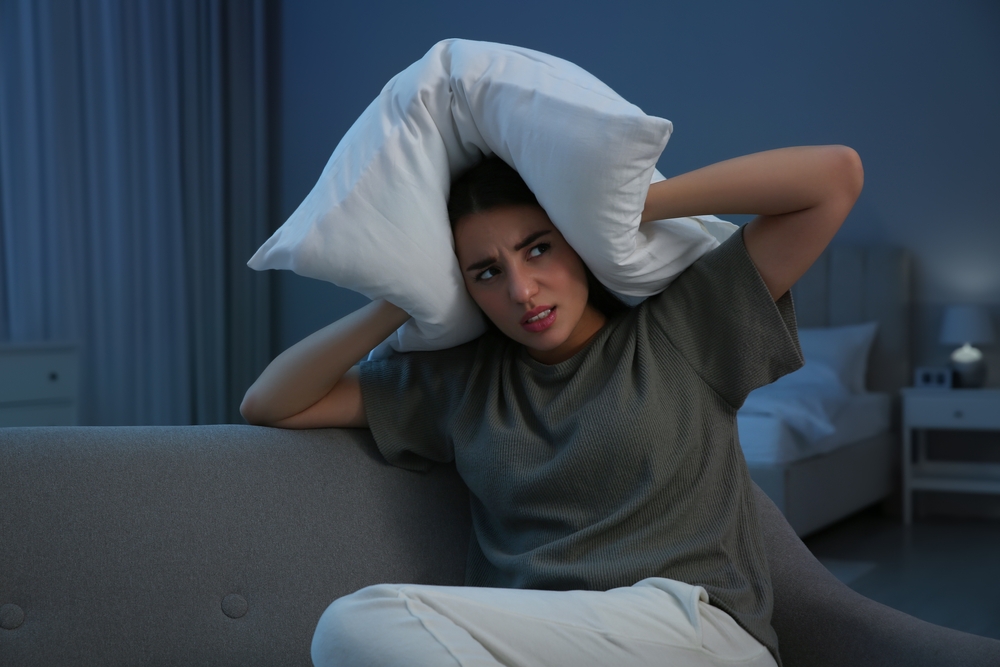
Living Under What Feels Like Constant Impact
The tenant explains that they live in a townhouse with a large family directly above them, made up of two parents and four very young children. Only one of the kids is old enough to attend school, which means the remaining toddlers are at home throughout most of the day, creating an environment where the noise rarely has a natural break.
According to the description, the sounds are not limited to normal movement or occasional play. Instead, they include constant running, heavy stomping, screaming, objects being dropped or slammed, and what sounds like repeated jumping from furniture. The noise is not just something that can be tuned out in the background, but something that physically travels through the structure of the home.
At certain points, the banging becomes so intense that it causes the walls to vibrate, making it feel less like everyday household noise and more like living underneath an ongoing construction site. The tenant even described moments where it sounds as though the children are throwing themselves off furniture repeatedly, turning what should be a quiet indoor space into something chaotic and unpredictable.
When Noise Starts Reshaping Your Routine
As time has gone on, the situation has begun to affect how the household functions on a practical level, not just emotionally. The tenant admits that out of sheer frustration, they have resorted to hitting the ceiling with a ladder in an attempt to signal the noise upstairs and get a brief moment of quiet.
While that tactic sometimes works in the short term, the relief is temporary. Within minutes, the noise resumes, often just as loudly as before, making it clear that the underlying issue has not been addressed. It becomes a cycle of interruption rather than a solution.
The impact has extended beyond just one person. The tenant’s mother has already reached her limit and decided to move her bedroom to the basement in order to escape the constant disturbance. Even that change highlights how disruptive the situation has become, as it forces people to adjust their living arrangements simply to find some level of peace.
Mornings, which are typically expected to be quieter or at least predictable, have also become stressful. The tenant describes being woken up by sudden, loud bangs followed by crying, which suggests that the children may even be getting hurt during the chaos. That combination of noise and concern adds another layer of discomfort that is difficult to ignore.
The Question That Doesn’t Have a Clear Answer
At the center of the situation is a question that sounds simple but is actually very difficult to answer in practice. Where exactly is the line between normal family noise and something that needs to be addressed more seriously?
The tenant is hesitant to escalate the situation, not because the noise is manageable, but because of the uncertainty surrounding it. They even consider the possibility that the children might have special needs, which could explain the level of activity and make the situation more sensitive to approach.
That uncertainty creates a sense of guilt, making it harder to decide what action is appropriate. Calling the police over noise caused by young children feels extreme, yet continuing to live with the current conditions feels unsustainable. That in-between space is where the frustration builds the most.
Why This Situation Resonated With So Many People
This story sparked strong reactions because it touches on a frustration that many people have experienced in some form, even if not to this extreme. Most people accept that living in shared spaces comes with a certain level of noise, whether it is footsteps, conversations, or occasional disruptions.
However, there is a clear difference between intermittent noise and constant impact noise that physically shakes your living space. When that line is crossed, it stops feeling like a minor inconvenience and starts to feel like a serious quality-of-life issue.
It also highlights a larger problem that many renters face, which is the lack of clear and effective solutions. Talking to neighbors can feel awkward or lead to tension, landlords do not always take meaningful action, and involving authorities can feel disproportionate to the situation. As a result, many people end up stuck in a cycle of frustration, trying to cope rather than resolve the issue.
What People Had to Say
Many commenters agreed that immediately involving law enforcement would not be the most effective first step, especially given the ages of the children involved.
One user, letitcomecloser, put it simply:
“Cops won’t fix toddlers being toddlers.”
Others encouraged starting with direct but calm communication, pointing out that the parents may not fully understand how the noise translates downstairs.
Fantastic-Setting567 suggested,
“Maybe talk to the parents and ask to keep things down during certain hours.”
There was also recognition that people living with constant noise can become desensitized to it, which may explain why the parents have not addressed it already.
Wild_Possibility2620 shared,
“I became immune to my kids’ noise… others aren’t.”
At the same time, not everyone felt the situation should be excused so easily. Some commenters argued that the level of disruption described goes beyond what most people would consider normal.
Desperate-Algae7590 noted,
“That level of impact noise isn’t just ‘kids being kids.’”
And a few responses were more direct in placing responsibility on the adults in the situation.
Harrisontoo said bluntly,
“The parents are probably just crappy parents.”
The Bigger Picture Behind the Noise
Ultimately, this situation comes down to balance, and that balance is not always easy to find. Children are naturally loud and active, and no one expects complete silence in a shared living environment. At the same time, people deserve a reasonable level of peace and comfort in their own homes, especially when the noise becomes constant and physically disruptive.
What makes this story particularly frustrating is the lack of a clear, easy solution. It is not just about reducing noise, but about awareness, communication, and whether the people involved are willing to meet each other halfway.
Because while toddlers may not understand the impact of their actions, the adults responsible for them are in a position to recognize when something has gone too far and take steps to manage it.
More from Cultivated Comfort: