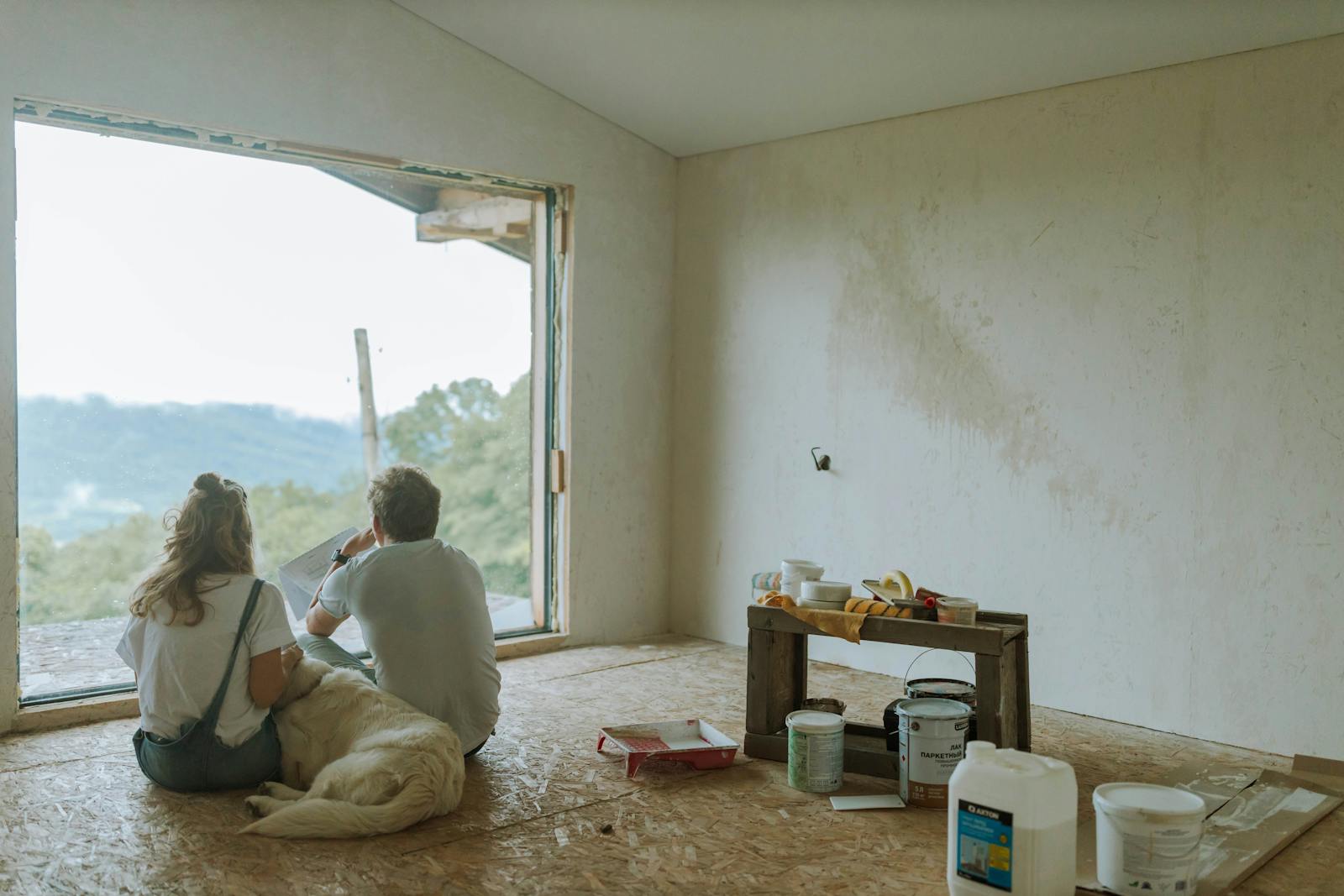
A house can feel like a blank canvas when ideas start flowing, especially during a renovation phase where everything seems full of potential. Inspiration comes easily, whether it’s from trends, other homes, or the excitement of improving a space. In that moment, decisions feel logical, even exciting, because they promise comfort, beauty, or a better way of living.
Reality has a way of settling in once those changes become part of everyday life. Features that looked perfect in photos or sounded smart in theory can behave very differently when used daily. This conversation stood out because it pulled together honest reflections from people who thought they were making upgrades, only to realize later that practicality often tells a different story.
What People Thought Would Work
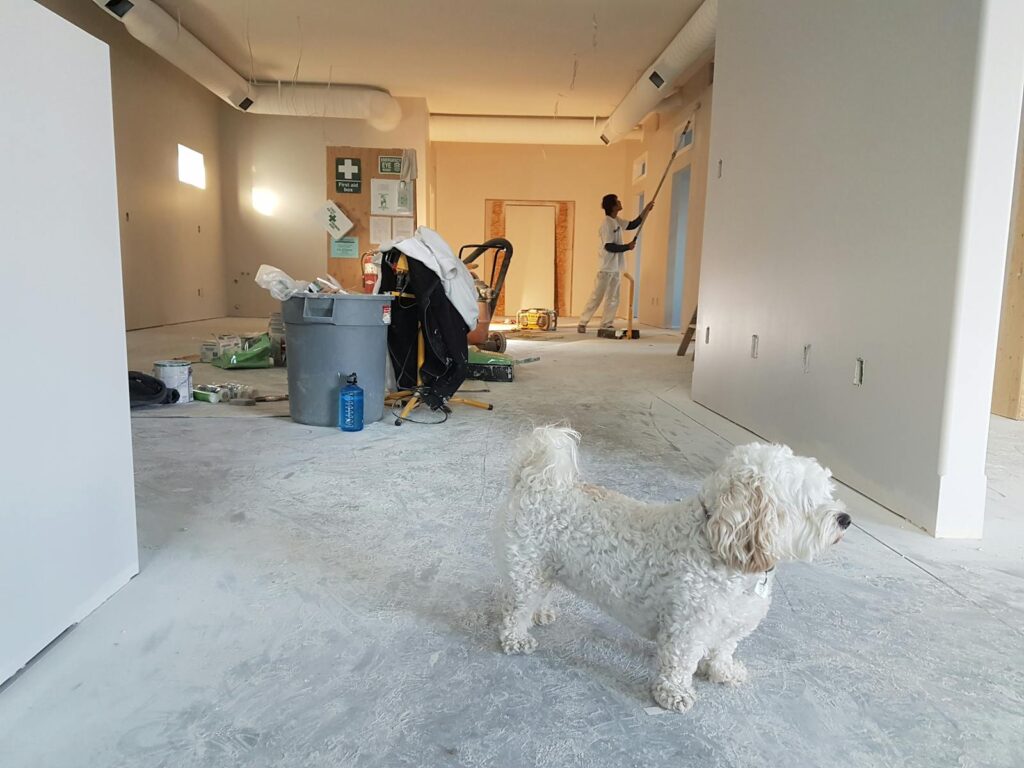
The discussion began with a simple but revealing question about renovation regrets. It invited people to reflect on decisions that felt like upgrades at the time but didn’t hold up over time. The examples ranged from layout changes to small design details, showing how varied these experiences can be.
Many of these decisions came from a place of confidence. People trusted trends, professional advice, or their own instincts when choosing layouts, materials, or features. There was a shared sense that these choices weren’t careless, they were made with genuine belief that they would improve daily life.
A pattern quickly emerged in how these choices were framed. Most of them sounded great in theory, whether it was opening up space, choosing sleek finishes, or adding features that felt luxurious. The appeal was often immediate, tied to aesthetics or imagined convenience rather than long-term use.
Where Things Started Going Wrong
The shift from excitement to regret often came slowly. Living with a change over weeks and months revealed small inconveniences that weren’t obvious at first. Those minor frustrations added up, turning what seemed like a good idea into something people wished they had reconsidered.
Open layouts were one of the most commonly mentioned regrets. While they created a sense of space and modern design, they also removed boundaries that people didn’t realize they relied on. Noise traveled more easily, privacy disappeared, and everyday activities started to interfere with each other.
Other regrets were more specific but just as impactful. White grout that looked clean and fresh became difficult to maintain, showing wear far sooner than expected. Decorative choices like pebble tile or textured walls introduced extra work, turning routine cleaning or repairs into ongoing challenges.
The Moment Reality Set In
There was often a clear point when the downside became impossible to ignore. Dropping something and having it slide under a vanity with legs might seem minor, but repeating that experience over time made the design feel impractical. Small annoyances became daily reminders that the design wasn’t working as intended.
Larger projects carried even bigger realizations. Removing walls for an open concept didn’t just change the look of a home, it reshaped how people interacted with the space. Conversations overlapped, sounds carried across rooms, and the lack of separation created unexpected tension in everyday living.
Certain upgrades also revealed themselves as unnecessary. Heated floors, for example, felt like a luxury worth investing in until the cost of running them outweighed the benefit. What once felt like a thoughtful addition became something people stopped using entirely, leaving them questioning the decision.
Why These Choices Felt Right at First
There’s a strong influence from trends and visual appeal when it comes to home improvements. Open spaces, minimalist finishes, and statement features often look impressive in photos or showrooms. It’s easy to imagine those same results translating perfectly into real life.
Another factor is the gap between occasional use and daily living. A design might feel comfortable or stylish during short visits or initial use, but long-term practicality requires a different kind of thinking. The difference between those two perspectives isn’t always obvious until it’s experienced.
Cost also plays a role in shaping decisions. People sometimes choose cheaper options expecting them to perform well enough, only to find that they wear down quickly or require replacement. On the other hand, expensive upgrades don’t always deliver the value people expect, which can make the regret feel even stronger.
How People Reflected on Their Regrets
The reactions in the discussion felt less like complaints and more like lessons shared openly. Many people approached their experiences with a mix of humor and hindsight, recognizing that the decisions made sense at the time. That tone came through when Frobearto described constantly losing items under a vanity, noting how it “inevitably ends up under” there, turning a stylish choice into a daily inconvenience.
Others focused on how broader design trends didn’t always match real-life needs. That reflection appeared in hippohoney’s observation that knocking down walls led to “losing privacy and noise control,” a trade-off that wasn’t obvious during planning. The sentiment resonated with others who had similar experiences with open layouts.
Practical frustrations also stood out in smaller details. That perspective showed up when arryripper simply stated, “white grout… never again,” capturing a shared struggle in just a few words. Even more complex regrets, like costly landscaping or underused features, were framed as learning experiences rather than outright mistakes, creating a conversation that felt honest, relatable, and surprisingly reassuring.
More from Cultivated Comfort: