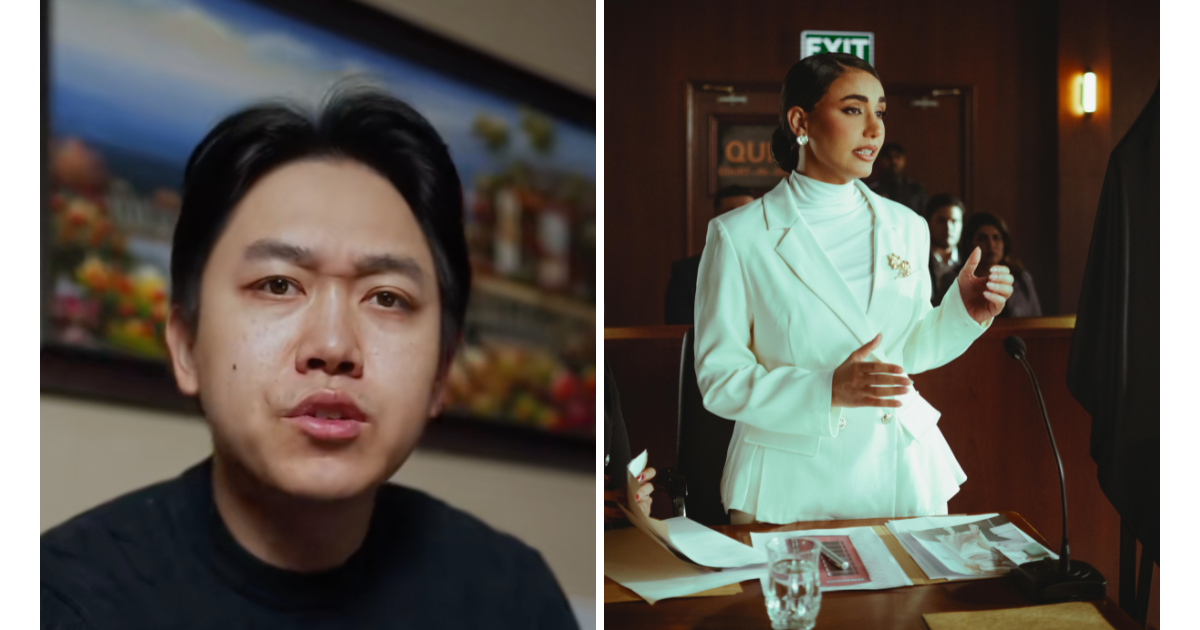
The way someone speaks is often treated as a simple tool for communication, but it tends to carry more meaning than people realize. In a TikTok video, @maisonrickie unpacks how speech patterns quietly signal identity, background, and social positioning, even when the words themselves seem neutral. His explanation shifts attention from what is being said to how it’s being said, turning something everyday into something worth noticing.
That idea feels familiar once you think about it. People often form impressions within seconds of hearing someone speak, picking up on tone, phrasing, and rhythm without consciously analyzing them. The video brings that instinct into focus, suggesting that these reactions aren’t random. They’re shaped by deeper social patterns that influence how language is learned and interpreted over time.
What the Video Breaks Down
In the video, he introduces the concept of linguistic habitus, describing it as the idea that speech reflects more than just intention. He explains that the way people speak, from their accent to their choice of words, can reveal aspects of their upbringing and environment. These signals often operate beneath the surface, shaping how others perceive them without needing explicit explanation.
He emphasizes that language is not neutral. Even when two people say the same thing, differences in delivery can change how the message is received. Tone, pacing, and vocabulary all contribute to how someone is understood, and those elements are influenced by past experiences.
Alongside the theory, he adds a personal layer by sharing his time in New York, where unexpected snowstorms disrupted his plans. Navigating unfamiliar conditions without the right gear becomes part of the story, grounding the discussion in real-life experience. That mix of theory and lifestyle makes the concept feel less abstract.
What Linguistic Habitus Means
The idea comes from the field of Sociology, where Pierre Bourdieu introduced habitus as a way to explain how people internalize the norms of their environment. Linguistic habitus focuses specifically on language, showing how speech patterns are shaped over time through exposure and social context.
People don’t usually choose how they speak in a deliberate way. Instead, they absorb patterns from family, education, and the communities around them. These patterns become automatic, which is why they often feel natural rather than learned.
Because of this, speech becomes a kind of social signal. It reflects not just what someone knows, but where they’ve been and what they’ve been exposed to. That’s what gives language its deeper meaning beyond the words themselves.
Why Language Shapes Perception
Speech plays a major role in how people are perceived in different settings. The way someone expresses themselves can influence whether they are seen as confident, approachable, or knowledgeable. These impressions form quickly and often without conscious thought.
Certain speech patterns are also associated with cultural capital, which includes the knowledge and behaviors valued within specific groups. Vocabulary, tone, and even conversational style can signal familiarity with certain environments. This is why the same message can carry different weight depending on how it is delivered.
These perceptions don’t always reflect ability or intelligence, but they still influence outcomes in social and professional situations. That’s what makes language such a powerful, and sometimes overlooked, factor in how people navigate the world.
Why This Feels Personal
What makes this idea resonate is how close it is to everyday experience. Everyone speaks, yet few people stop to consider what their speech might be communicating beyond meaning. Realizing that these patterns are shaped over time can shift how people see themselves and others.
The personal story woven into the video adds to that feeling. Being in a new environment, dealing with unexpected challenges, and adapting in real time highlights how context influences behavior. It shows that identity is not fixed, but something that continues to evolve through experience.
That connection between theory and real life makes the concept easier to grasp. It turns something academic into something that feels relevant and immediate.
Would You Change the Way You Speak?
The idea isn’t necessarily about changing how you speak, but about becoming more aware of what it communicates. Understanding that language carries social signals can help people navigate different environments more intentionally. It creates space to observe rather than judge.
At the same time, speech is deeply tied to identity, which makes it personal. Adjusting it may feel practical in some situations and unnecessary in others. The balance between authenticity and adaptability becomes part of the conversation.
So the question becomes one of awareness rather than correction. If the way you speak shapes how others see you, would you choose to adjust it in certain settings, or keep it consistent regardless of context?
More from Cultivated Comfort:
- 7 Vintage Home Items From the ’60s That Are Collectors’ Dream Finds
- 7 Vintage Home Goods That Became Collectors’ Gold
- 7 Fast-Food Chains That Changed for the Worse
- 7 Frozen Dinners That Were Better Back in the Day

As a mom of three busy boys, I know how chaotic life can get — but I’ve learned that it’s possible to create a beautiful, cozy home even with kids running around. That’s why I started Cultivated Comfort — to share practical tips, simple systems, and a little encouragement for parents like me who want to make their home feel warm, inviting, and effortlessly stylish. Whether it’s managing toy chaos, streamlining everyday routines, or finding little moments of calm, I’m here to help you simplify your space and create a sense of comfort.
But home is just part of the story. I’m also passionate about seeing the world and creating beautiful meals to share with the people I love. Through Cultivated Comfort, I share my journey of balancing motherhood with building a home that feels rich and peaceful — and finding joy in exploring new places and flavors along the way.