Supportive partners can make a world of difference during life’s most challenging moments, but what happens when that support starts to feel like a burden? This is the reality for one young woman who recently shared her struggles on Reddit. At just 21 years old, she found herself navigating the emotional tumult of an unexpected pregnancy, followed by a traumatic abortion, and is now feeling the strain on her long-distance relationship.
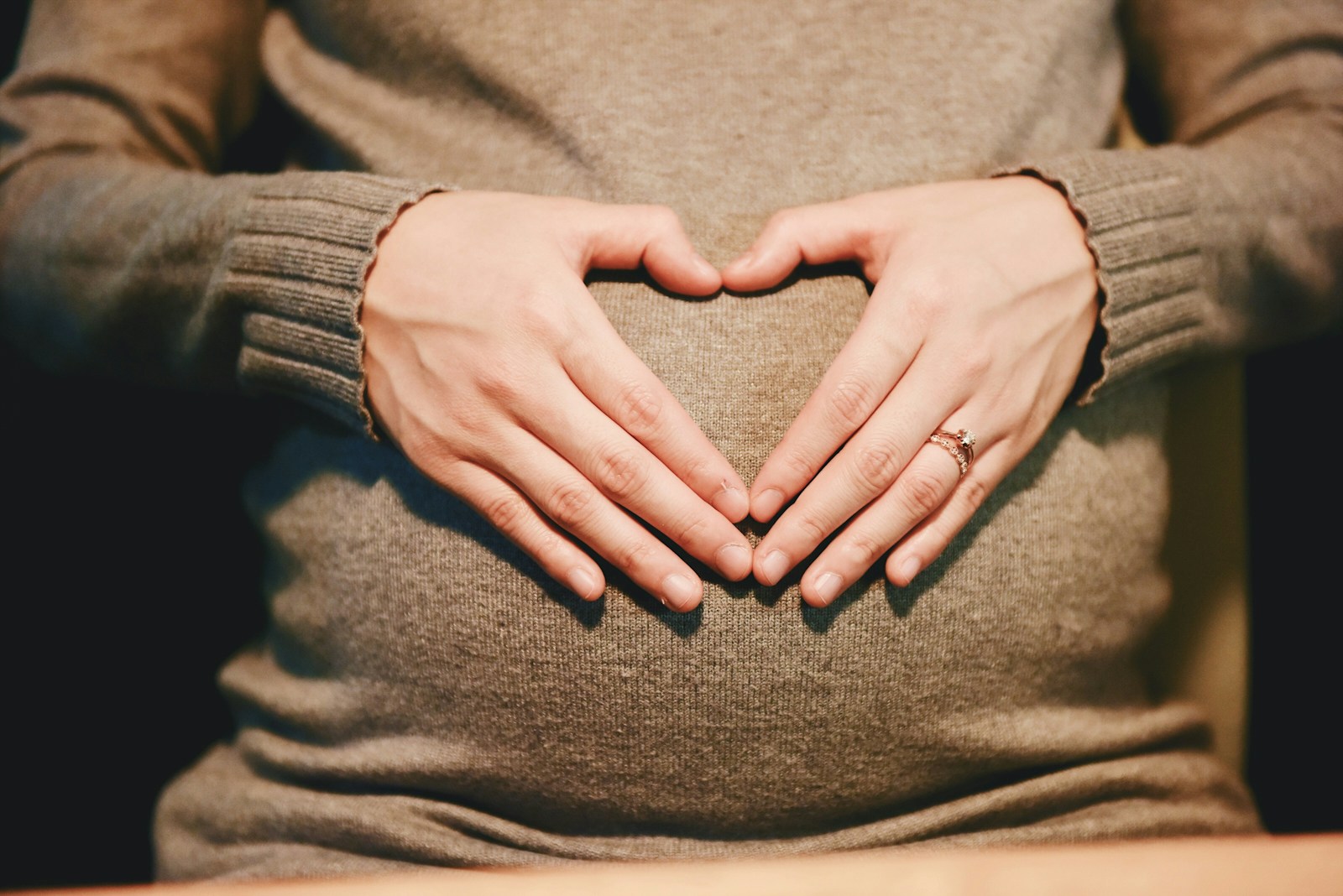
She and her boyfriend, both in their early twenties, have been in a committed relationship for about a year. The unexpected pregnancy was not only a shock but also sent her hormones into a whirlwind. For two and a half months, she was unaware of the pregnancy, and the hormonal changes wreaked havoc on her emotional stability. She experienced outbursts and meltdowns, leading to frequent arguments with her boyfriend. “I was having frequent meltdowns and arguments that would often end up in shouting,” she explained, sharing the emotional rollercoaster she endured.
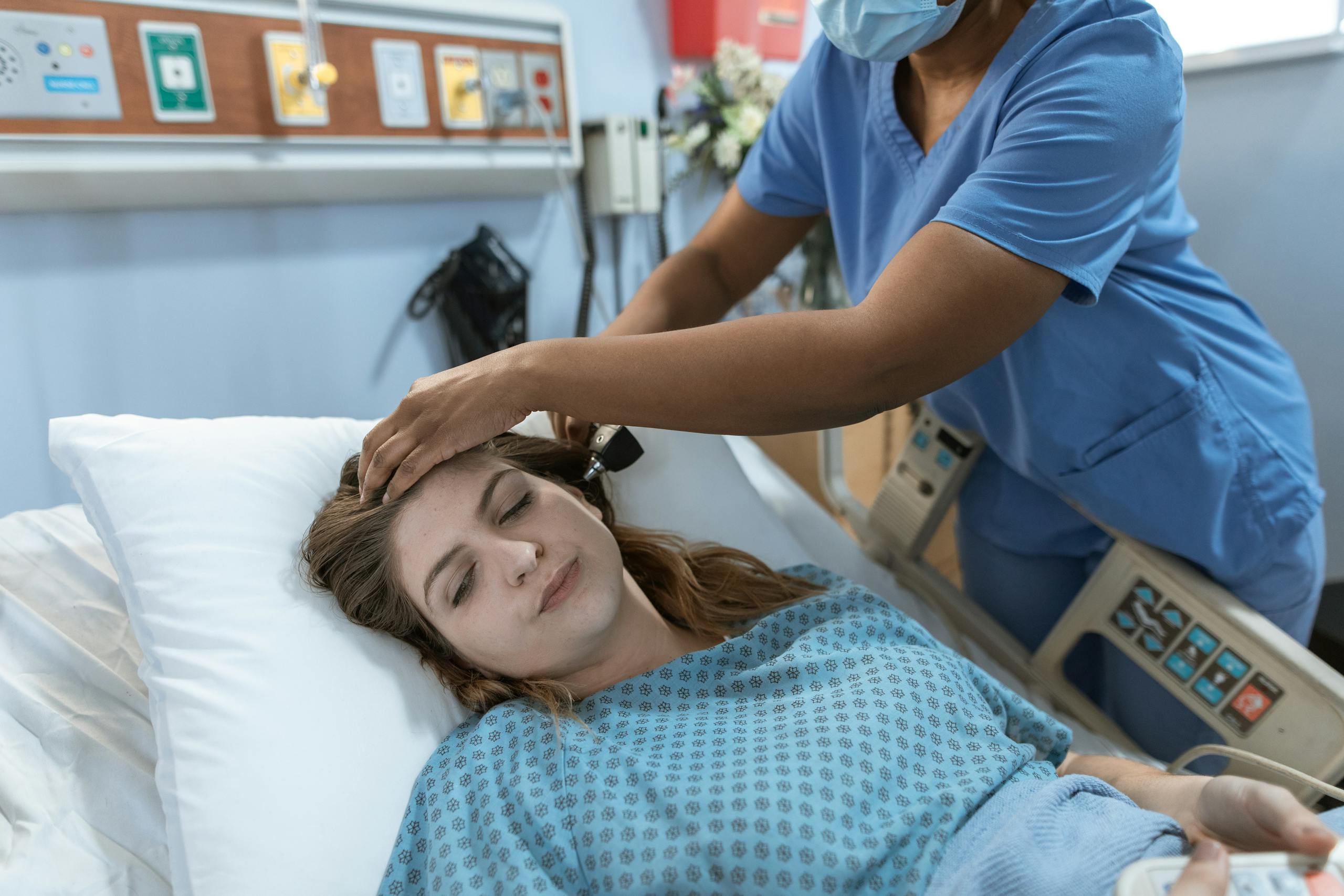
After the abortion about a month ago, she has been grappling with significant depression and falling behind in her university studies. While her boyfriend was incredibly supportive during the abortion process, she now feels increasingly distant from him. Living three hours apart makes it even harder to bridge that emotional gap. “It feels like we’re dealing with the entire thing separately,” she shared, highlighting the loneliness that often accompanies long-distance relationships.
Despite the boyfriend’s unwavering support during her darkest times, she senses a shift in their dynamic. There’s an underlying tension that neither seems able to shake. “He’s always walking on eggshells around me and is constantly reminding me of how poorly I treated him during that time,” she noted. This feeling of being judged for something that was largely out of her control is weighing heavily on her. “I’ve apologized numerous times, but I can’t shake the feeling that he holds resentment for how I acted,” she confessed.
The guilt she feels for her past behavior is compounded by the emotional toll of the abortion itself. She acknowledges that while her boyfriend has been a steady source of support, he is also struggling with feelings of frustration over her inability to reciprocate that support fully. “He always tells me how I don’t make him feel like he can open up to me,” she revealed, exposing the fragility of their connection.
As she strives to heal from the trauma, both physical and emotional, it’s clear that her relationship is at a crossroads. The compassionate bond they once shared feels overshadowed by the weight of their recent experiences. The emotional scars of their ordeal are manifesting in ways that threaten to unravel the connection they built over the past year.
Many who read her story on Reddit expressed concern and offered advice. Some suggested seeking therapy, both individually and as a couple, to help navigate the complicated emotional landscape that has formed around them. As one commenter pointed out, “First of all, I am really sorry about what you are going through. I want to ask you to please get a professional therapist to help you process this and start healing from this very traumatic experience.” The importance of addressing their mental health needs was echoed by those who had faced similar challenges themselves.
In a time when communication can struggle under the weight of emotional turmoil, opening up about feelings may prove to be the most crucial step in healing. She expressed that she wants to be there for her boyfriend, yet often feels too burdened by her own feelings to provide the support he needs. “I can’t shake this feeling that I’m not enough for him right now,” she shared through her words, resonating with many who have felt similarly lost in their relationships.
The road ahead for this couple is uncertain, but addressing these underlying feelings of resentment, guilt, and emotional distance may help them find a path back to one another. While trauma can profoundly affect relationships, it can also serve as an opportunity for growth and understanding—if both partners are willing to open up and seek the help they need.
More from Cultivated Comfort:
- 7 Vintage Home Items From the ’60s That Are Collectors’ Dream Finds
- 7 Vintage Home Goods That Became Collectors’ Gold
- 7 Fast-Food Chains That Changed for the Worse
- 7 Frozen Dinners That Were Better Back in the Day