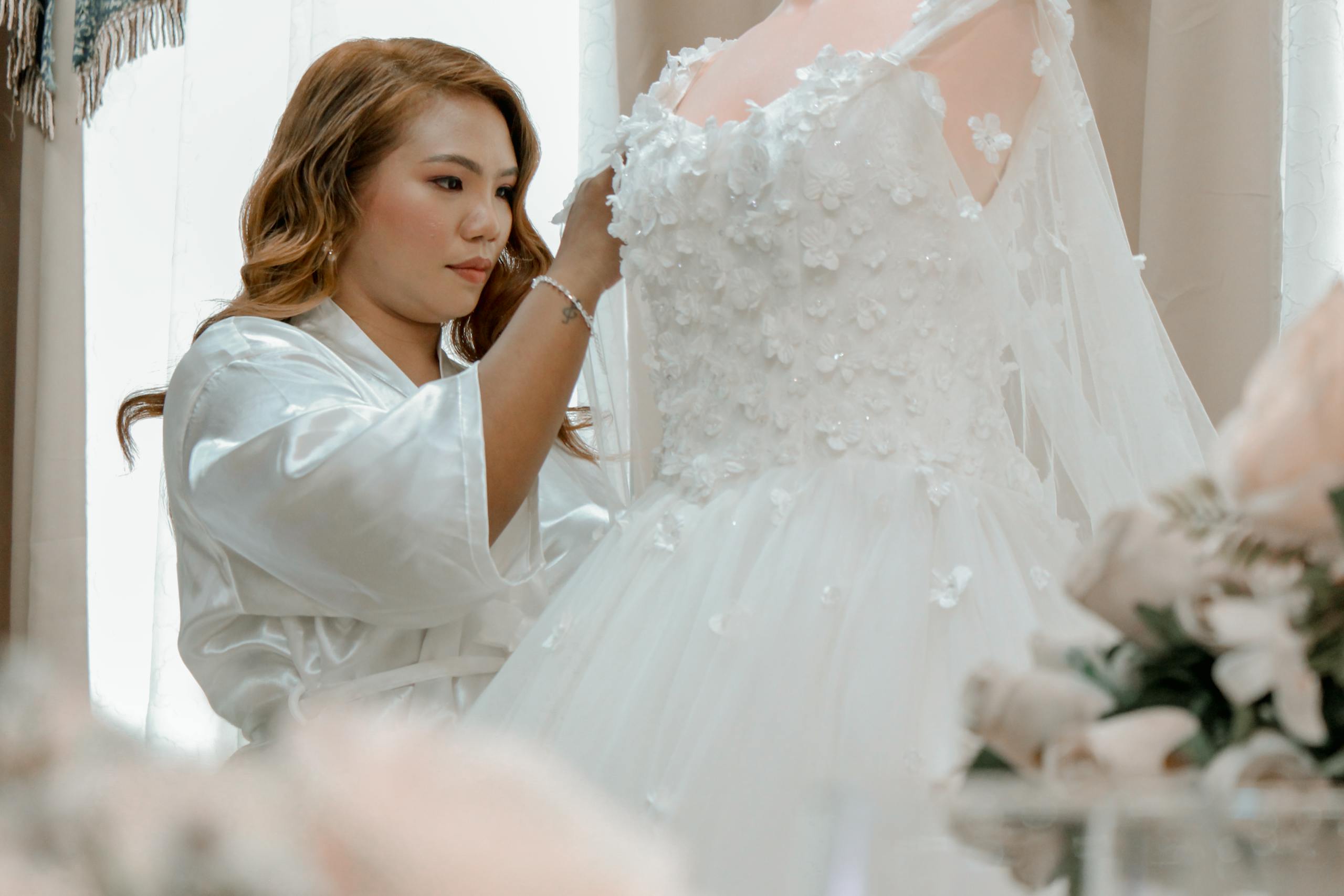
Planning a wedding is a monumental task, filled with countless decisions, from venues and caterers to seating charts and dress codes. One choice that often stirs up emotions is whether to host a child-free wedding. For many couples, it presents an opportunity to create an adult-only atmosphere where guests can relax, celebrate, and fully engage in the festivities without the distractions that come with parenting. However, not all family members view this desire for a child-free celebration in the same light.
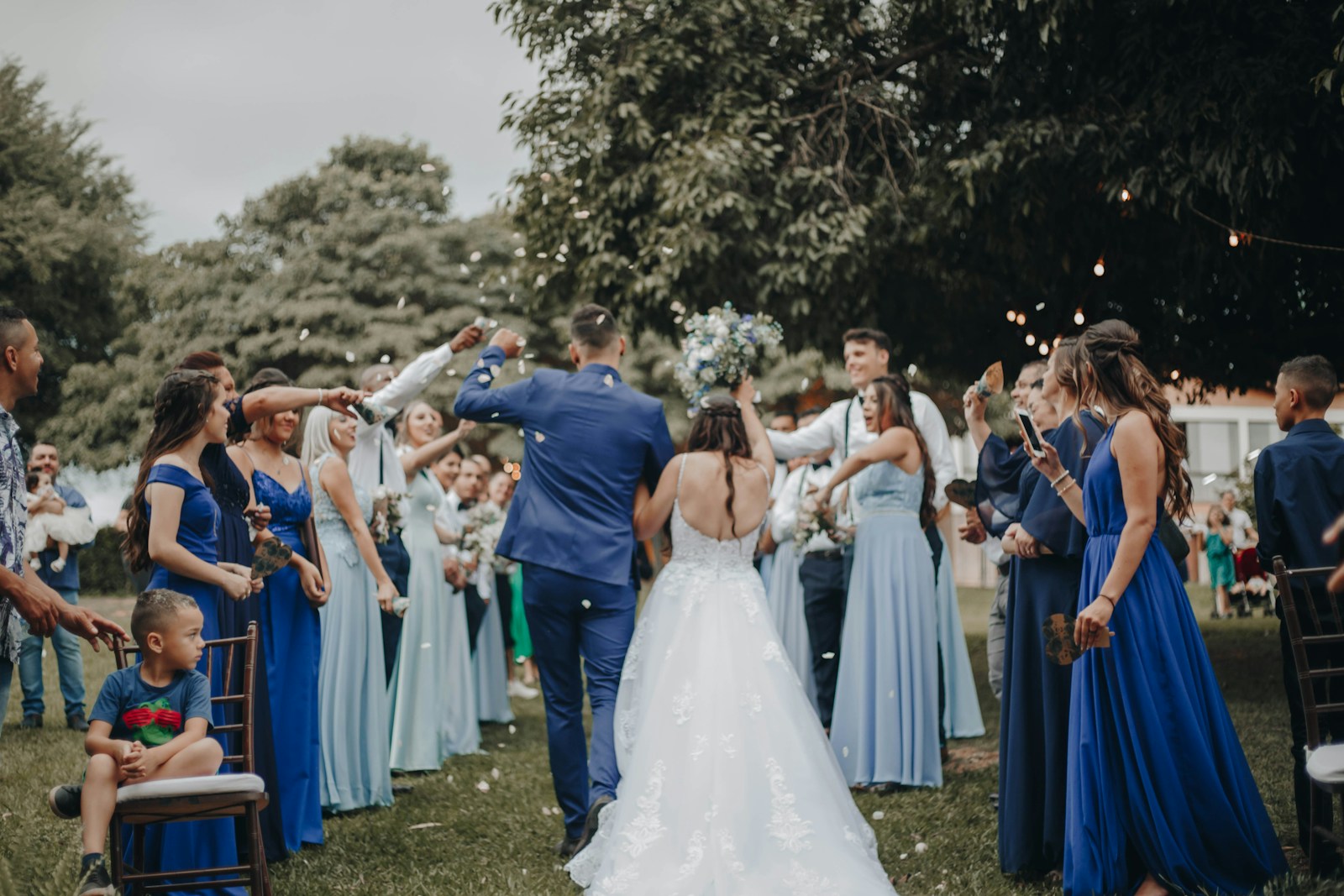
Take, for example, a recent thread on Reddit where a bride-to-be shared her dilemma about her sister’s strong reaction to her child-free wedding plans. The couple envisioned their big day as a chance for adults to unwind, and they hoped to create a special environment devoid of the rambunctious energy that children often bring. They were excited about the prospect of letting their hair down and enjoying one night that revolved around their love story. However, they hadn’t anticipated the ripple effect this decision would have on family dynamics.
The bride’s sister, a mother of three children aged 11, 11, and 8, felt blindsided by the news that her kids would not be included in the celebration. In a heartfelt message, she expressed feelings of betrayal, suggesting that her children’s exclusion reflected poorly on the family’s unity. The bride found herself caught between her sister’s emotional response and her own desire to stick to her guns on the child-free rule. Her initial excitement transformed into uncertainty, with the pressure of family expectations weighing heavily. Would standing firm alienate her sister and create lasting family tension? Or would conceding lead to resentment and disappointment later on?
This isn’t an isolated incident; many couples face pushback when declaring their wedding child-free. Family members, particularly those with young children, often feel as though their parental responsibilities are being dismissed. The emotional toll can be significant, as parents grapple with feelings of exclusion. For the bride in this scenario, her sister’s accusations stung. After all, it wasn’t a statement against her sister or her children; rather, it was about creating a certain ambiance for their special day.
So, what’s a bride to do in such a situation? The option to cave in for the sake of family harmony looms large. After all, love for the children is clear, and they share a close-knit relationship with their aunt. But the original intent of a child-free wedding—fostering a carefree adult space—might get overshadowed. Compromise is often the name of the game in family affairs, but it’s crucial to weigh the implications of such a decision. Would allowing the kids to come really lead to a peaceful resolution, or could it create an expectation where future family events also become child-inclusive?
On one hand, sticking to the child-free plan affirms the couple’s desire to curate an atmosphere that reflects their vision for the day—a celebration without the need for parental vigilance. On the other hand, bending the rules for close family might address immediate hurt feelings but could set a precedent that complicates future celebrations. The bride expressed her dilemma quite thoughtfully, pondering whether her sister’s feelings were valid or if the request for a child-free wedding warranted the pushback.
This complex interplay of family dynamics, emotional investments, and personal desires makes wedding planning a challenging journey. Many couples face similar crossroads where they must navigate the line between personal wishes and family expectations. Each choice carries potential consequences, and while focusing on love and support is critical, so is ensuring an enjoyable experience for everyone involved.
Ultimately, finding a resolution requires open communication and a clear articulation of boundaries. The bride and her sister may benefit from a heartfelt conversation about their feelings, where both sides can express themselves without judgment. Whether the wedding remains child-free or adjustments are made, the goal should be to foster understanding rather than division. Family gatherings will always stir up strong emotions, but navigating through them with care can lead to a stronger bond in the end.
More from Cultivated Comfort:
- 7 Vintage Home Items From the ’60s That Are Collectors’ Dream Finds
- 7 Vintage Home Goods That Became Collectors’ Gold
- 7 Fast-Food Chains That Changed for the Worse
- 7 Frozen Dinners That Were Better Back in the Day