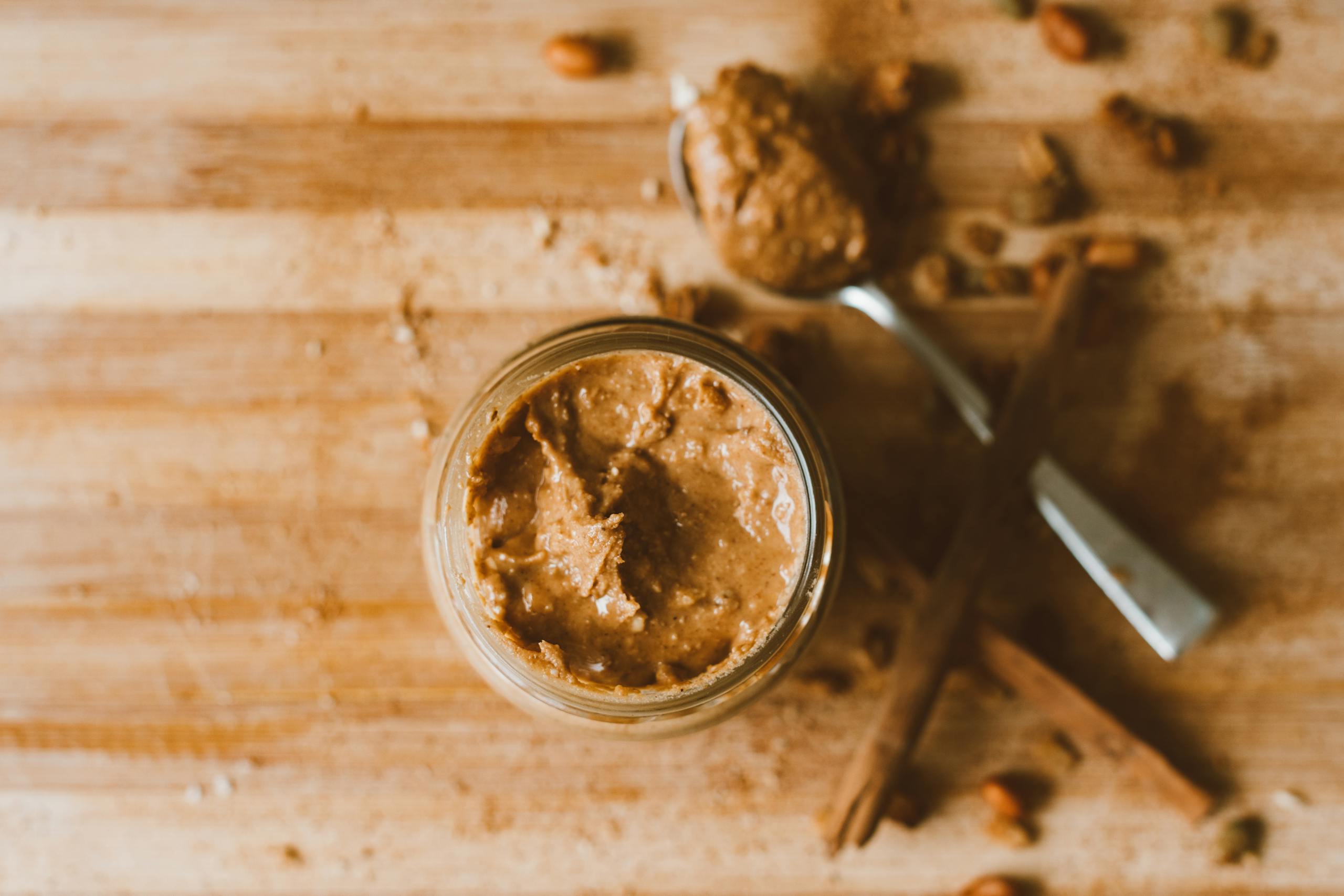
In the world of shared living spaces, navigating personal boundaries can be tricky, especially when health concerns are on the line. One woman, who we’ll call Sarah, recently found herself at the center of such a dilemma with her roommate, Taylor.
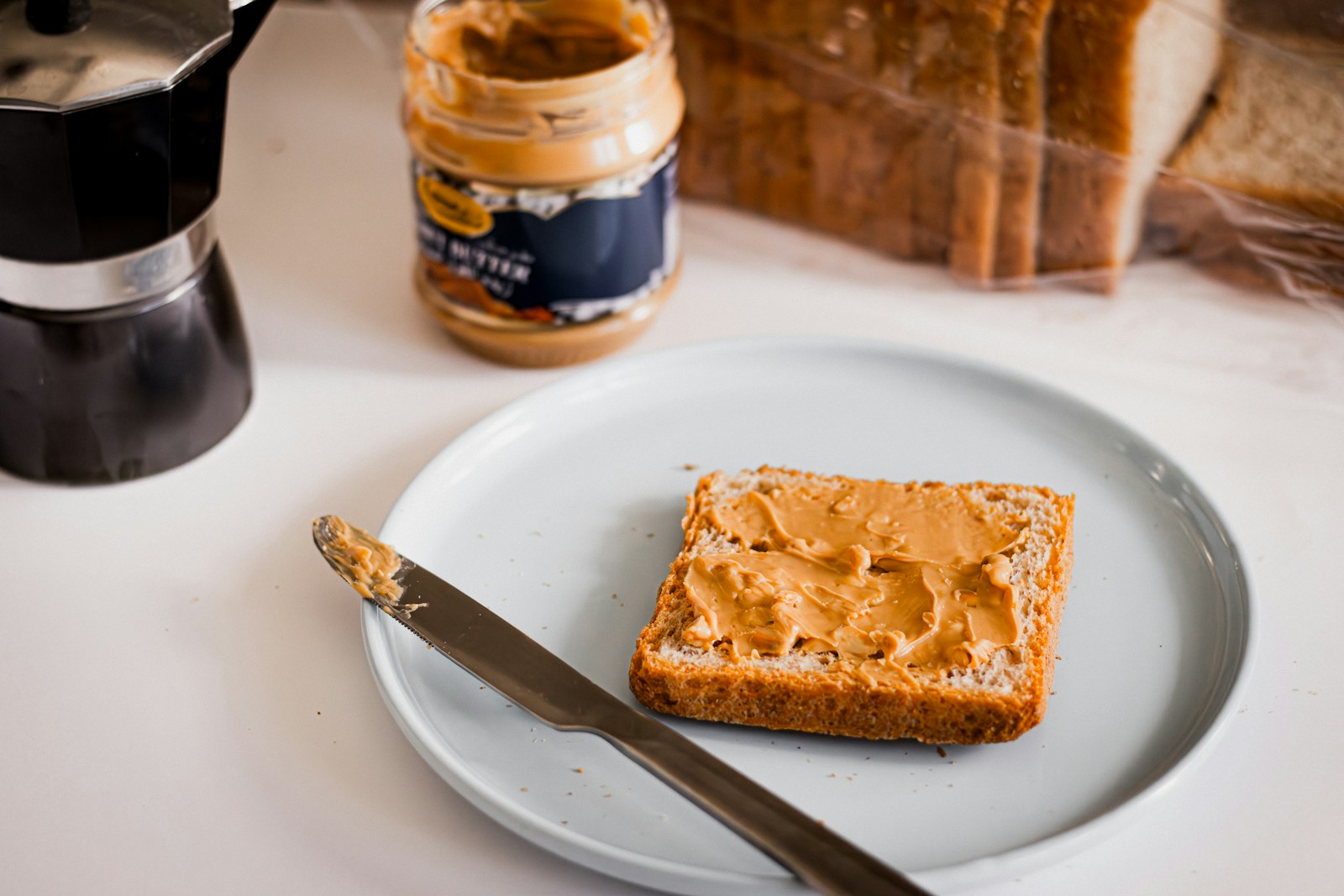
Sarah has a severe nut allergy. While it doesn’t pose an airborne threat, ingesting even a trace amount can lead to anaphylaxis, and she always carries an EpiPen for emergencies. When Sarah moved in with Taylor, she made this crucial detail abundantly clear. They established some ground rules: Taylor could have her peanut butter and nuts as long as she kept them in her designated cupboard and ensured everything was thoroughly cleaned after use.
At first, it seemed like a fair arrangement. However, it soon became apparent that Taylor’s forgetfulness would be a recurring problem. Sarah caught her using her special wooden salad spoons to stir peanut butter oatmeal. On more than one occasion, Sarah found open bags of almonds sitting right on her cutting board, where she prepared her safe meals. Each time, when Sarah brought it up, Taylor would apologize, “Oops, my bad, I forgot!” Yet, the forgetfulness persisted, and it was starting to weigh heavily on Sarah’s mind.
The situation escalated when Sarah discovered a smear of peanut butter on the handle of her toaster. It wasn’t just a careless mistake; it felt like a blatant disregard for the rules they had agreed upon. That was the final straw for Sarah. She couldn’t keep putting her life at risk due to Taylor’s forgetfulness. In a bid to reclaim her kitchen space and safeguard her food, she decided to take action.
Sarah went out and purchased a small plastic bin with a lock for her essential dry goods. Furthermore, she installed a child safety lock on one of the kitchen cabinets that housed her pots and pans. This way, she knew her cooking tools would remain uncontaminated. For Sarah, it was a practical solution to a persistent problem.
When Taylor discovered the lock, she was furious. She confronted Sarah, accusing her of making her feel like a criminal or a toddler in her own home. According to Taylor, the lock was an extreme, hostile move that she interpreted as an attack on her character. In a twist, Taylor also claimed that Sarah’s actions were ableist; she pointed to her ADHD as a reason for her forgetfulness, suggesting that Sarah should be more understanding.
Conflicted, Sarah couldn’t help but feel trapped in a situation that felt unfair. She had taken every precaution to communicate her needs, yet here she was, being labeled as unsympathetic for trying to protect herself. It was a complicated scenario: on one hand, Sarah was trying to prioritize her health; on the other, she felt guilty for appearing insensitive to Taylor’s struggles with ADHD.
As the argument unfolded, it became clear that neither side was willing to back down. Sarah felt justified in her decision; after all, her life depended on it. But Taylor’s reaction opened up a broader discussion about accountability and living with others who have different needs and challenges. Could it be that Taylor’s forgetfulness was something that warranted more compassion? Or was it unreasonable for Sarah to expect her roommate to adhere to basic rules of food safety in their shared space?
As these questions loomed over them, the tension in the apartment thickened. Both women were entrenched in their positions, and it seemed unlikely that one would give in without a long, drawn-out conversation. Sarah’s choice to lock away her allergy-safe food felt like her only option, but it also marked a significant divide in their living arrangement – one that might not be easily bridged.
As their shared living situation unfolded, both women were left to ponder where to go from here. Would this fallout lead to a better understanding of each other’s boundaries, or would it be the catalyst that drove them apart?
More from Cultivated Comfort:
- 7 Vintage Home Items From the ’60s That Are Collectors’ Dream Finds
- 7 Vintage Home Goods That Became Collectors’ Gold
- 7 Fast-Food Chains That Changed for the Worse
- 7 Frozen Dinners That Were Better Back in the Day