A resident shared a story that struck a chord with many about a peculiar situation in their neighborhood. After moving into the community just over a year ago, they quickly discovered that the area had its quirks, particularly in the form of the house across the street. The property, fitted with a large additional structure, boasted ten bedrooms filled with adult tenants. For a neighborhood where most homes were capped at four bedrooms, this was an unusual setup.
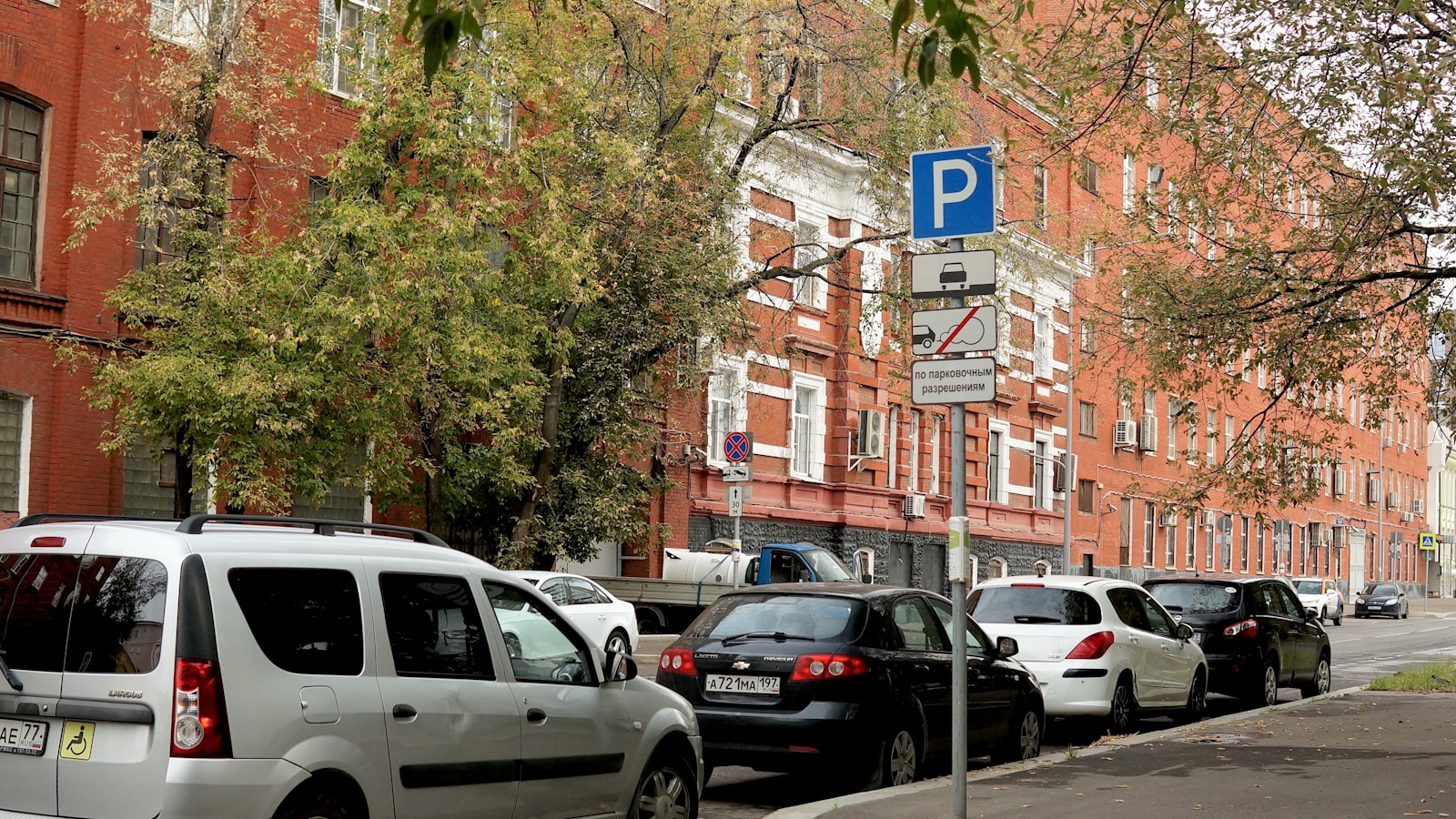
Initially, the resident felt a little discomfort about the number of cars parked on the street, which seemed to multiply as new tenants moved in. Each tenant had a vehicle, and soon, the road was often lined with cars, with the majority of them parked in front of this single house. But as the days went by, they decided not to let it bother them—after all, there was no Homeowners Association (HOA) to impose restrictions, and public roads were just that: public.
However, things took a bizarre turn when a tow truck began dropping off vehicles in front of the resident’s home. These weren’t just any cars; they were beat-up, non-operational vehicles missing essential parts like hoods, bumpers, and engines. No one seemed to be claiming them, and after a few days, it became apparent that there was a growing collection of these abandoned-looking cars gathering dust by the curb.
Weeks slipped by. The resident had no idea who was leaving these vehicles or why they had been abandoned. Just when they thought things couldn’t get worse, they planned a party for about 40 guests. This was the moment things really hit the fan—there was hardly any parking left thanks to the ten cars from the ADU house and a few non-op vehicles that had apparently taken up permanent residence near their home.
Frustration boiled over as the resident faced the prospect of guests circling the neighborhood in search of a place to park. In a fit of indignation, they made the split-second decision to call the highway patrol. When the officers arrived, they conducted a quick inspection. To the surprise of everyone involved, they discovered that all these abandoned vehicles had expired registrations dating back more than two years. With the resident’s frustration in mind, the officers initiated the towing process, and soon, all the vehicles were loaded onto tow trucks and carted away.
It turned out that one of the tenants from the ADU house operated an auto repair business and was using the neighborhood street as a makeshift storage area for his customers’ vehicles. This revelation added a layer of guilt to the resident’s initial frustration. After all, they hadn’t known whose cars they had been towed until after the fact. The next day, they learned that not only did the tenant have to pay to retrieve his vehicles from impound, but also the owners of those cars would now have to face the hassle of bringing their registration up to date.
As the resident sat back and reflected on the entire incident, they began to feel conflicted. On one hand, it was inconvenient for them to deal with the overflow of cars in front of their home, especially during a party. On the other hand, it felt wrong to have inadvertently caused trouble for someone who was trying to run a business. Was it fair to call in the tow truck knowing that it would create financial strain for the neighbors involved?
The resident took to social media, sharing their story and asking for input. “Am I the a**hole for getting my neighbors’ cars towed?” they wondered, seeking validation or perhaps a different perspective on the whole ordeal. They’ve come to realize that the lines between right and wrong can be blurry. What seemed like a simple case of frustration had turned into a complicated narrative of neighborly relationships and unforeseen consequences.
In the end, the original intent to create a more pleasant environment for their guests had spiraled into a situation where they felt responsible for the headaches faced by others. Navigating the complexities of community living can be tricky, and sometimes it takes just one action—like a phone call—to change everything.
More from Cultivated Comfort:
- 7 Vintage Home Items From the ’60s That Are Collectors’ Dream Finds
- 7 Vintage Home Goods That Became Collectors’ Gold
- 7 Fast-Food Chains That Changed for the Worse
- 7 Frozen Dinners That Were Better Back in the Day