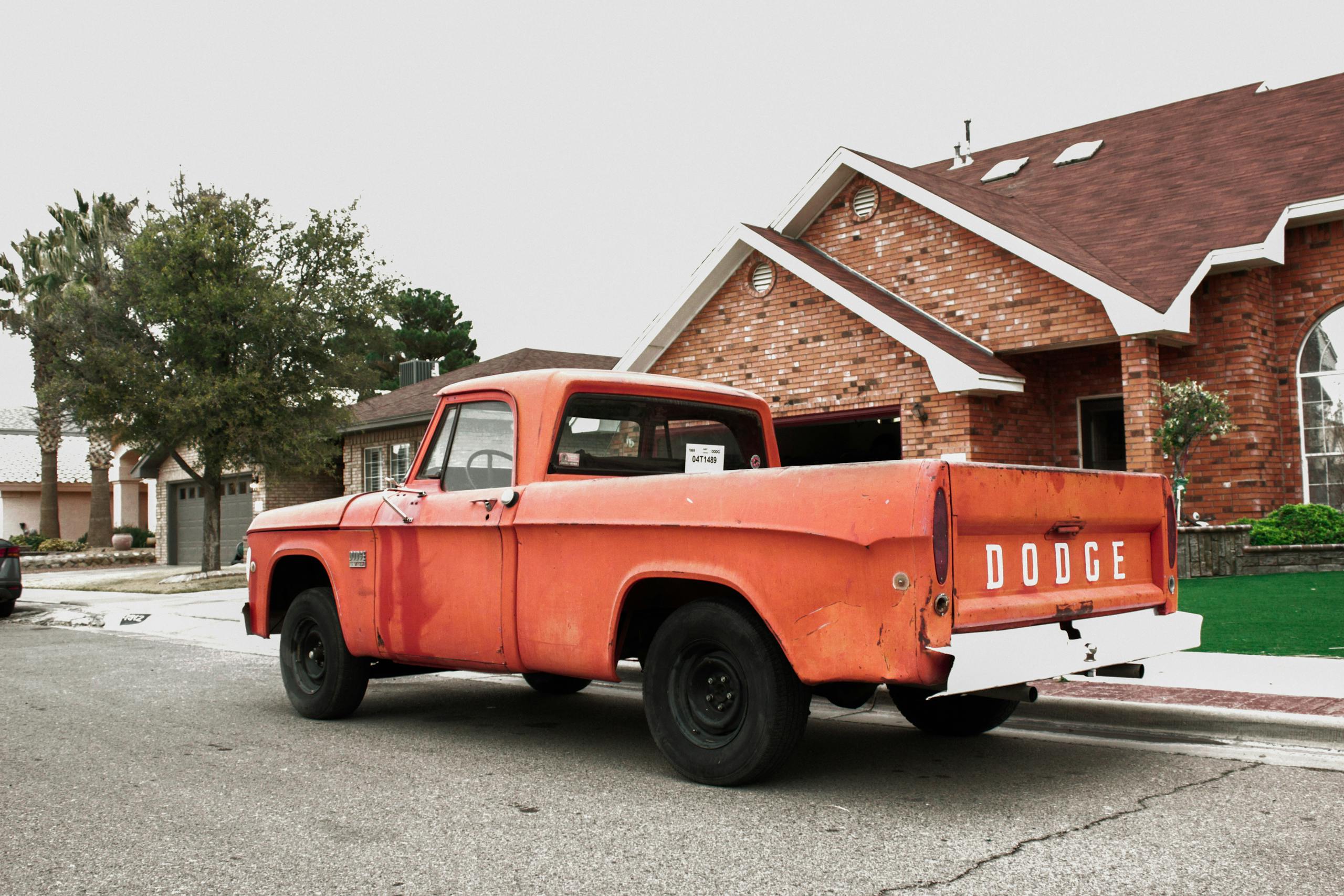
Once upon a time, there was a couple who had settled comfortably into their home, nestled quietly in a suburban neighborhood. They had acquired their house back in 2014 and took great pride in their property, which included not just their house but also the empty lot next door. This extra piece of land, while vacant, was a buffer zone that provided a sense of space and privacy—a little oasis that was maintained with care. In twelve years, the couple had never once parked a vehicle on that plot, preferring to keep it untouched and tidy.
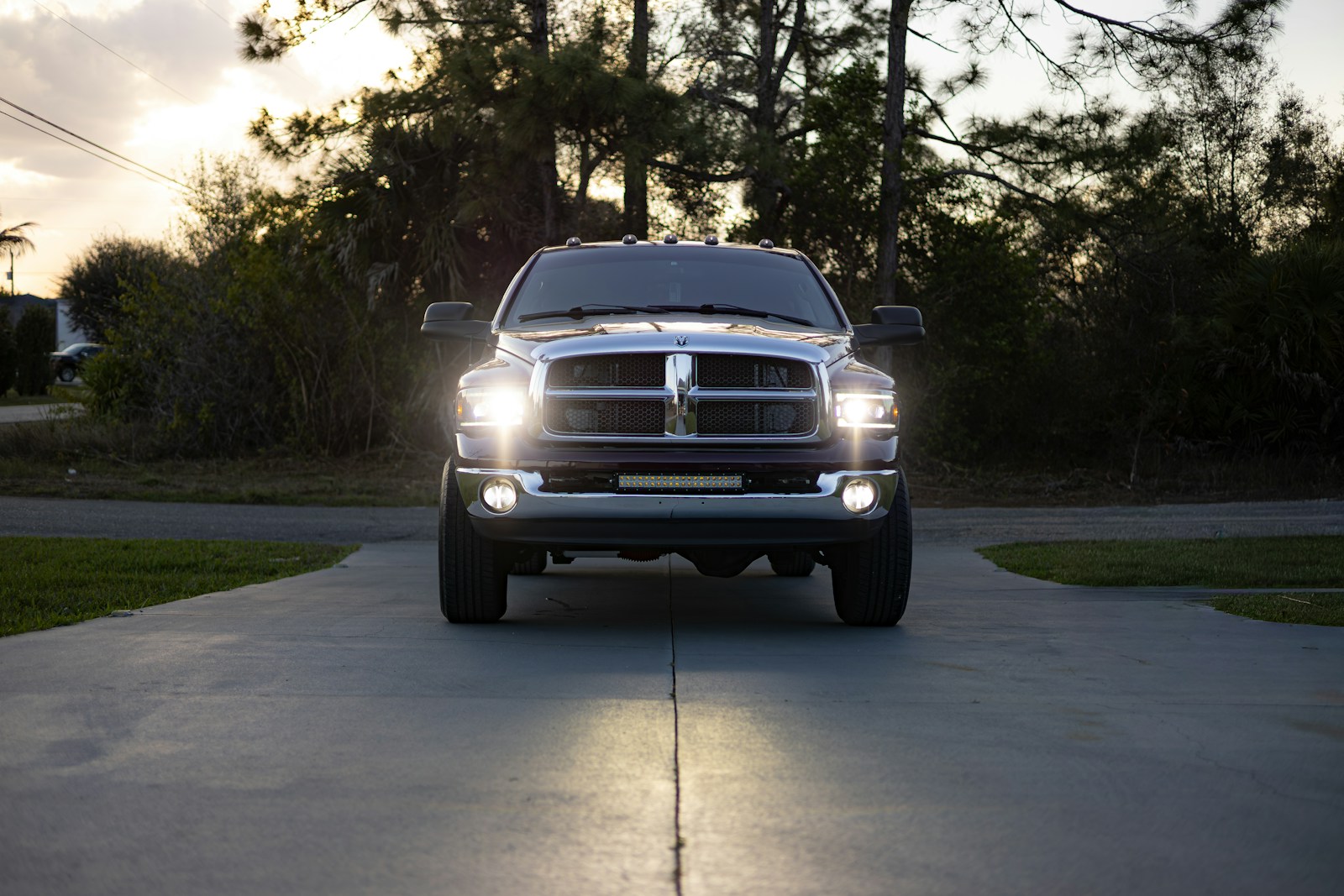
However, a week prior to the events that would unfold, new neighbors moved in next door. Excitement buzzed in the air, as the couple looked forward to meeting the people who would soon be sharing their street. The new tenants were fresh faces, but there was an undercurrent of anticipation mixed with trepidation about how they might integrate into the neighborhood. To their surprise, the newcomers even had a surveyor come out to mark the property lines, with pink flags slicing through the grass like little beacons of ownership—a clear indication that they were aware of their boundaries.
Fast forward to a typical Tuesday afternoon. The homeowner returned from work, tired yet eager to unwind. But as he approached his property, he was met with a sight that set his blood boiling—a truck parked right on their empty lot. The neighbor from next door was enthusiastically washing his vehicle, suds flying everywhere as if he owned the very ground he stood upon.
Feeling a wave of disbelief, the homeowner marched over to confront the situation head-on. A simple introduction turned into a conversation laced with tension. The neighbor, seemingly unbothered by the intrusion, admitted that he was well aware the lot belonged to the couple. He justified his actions by explaining that he only needed the space for about an hour. To him, it was a small, harmless act that should have been met with a neighborly smile and a wave.
But the homeowner wasn’t interested in playing along. “I need you to move your truck right now. This is our land, and you can’t just use it without asking,” he insisted, doing his best to maintain calm. The neighbor complied, albeit with visible frustration, arguing that the homeowner should be “more neighborly,” as if a casual washing of the truck warranted an invasion of private property. The audacity caught the homeowner off guard; how could anyone think it was okay to trespass and then request kindness in return?
After the neighbor moved his truck, the homeowner tried to convey the importance of communication and boundaries. “You can’t just assume you can use our space,” he stated, hoping that a clear explanation might erase the tension between them. But the neighbor simply shrugged it off, grumbling about how he thought the whole thing would blow over in a heartbeat. The homeowner returned to his yard, still stunned by the encounter, wrestling with the idea that new neighbors could be so presumptuous.
As the sun set that evening and the events replayed in his mind, the homeowner realized that this experience would be a humorous, yet mildly infuriating, story to share later. While he looked forward to building a neighborly relationship, it was not going to start with someone treating his property as if it were a communal wash station. With a deep breath, he chalked it up as a lesson learned in the joys and challenges of homeownership and the delicate balance of neighborly relations.
Now, as time moves forward, the couple wonders what the next encounter with their “neighborly” new friends might look like. For the homeowner, this situation serves as a reminder that sometimes, the most mundane interactions can take an unexpected turn, all because of an assumption someone made about a piece of land.
More from Cultivated Comfort:
- 7 Vintage Home Items From the ’60s That Are Collectors’ Dream Finds
- 7 Vintage Home Goods That Became Collectors’ Gold
- 7 Fast-Food Chains That Changed for the Worse
- 7 Frozen Dinners That Were Better Back in the Day