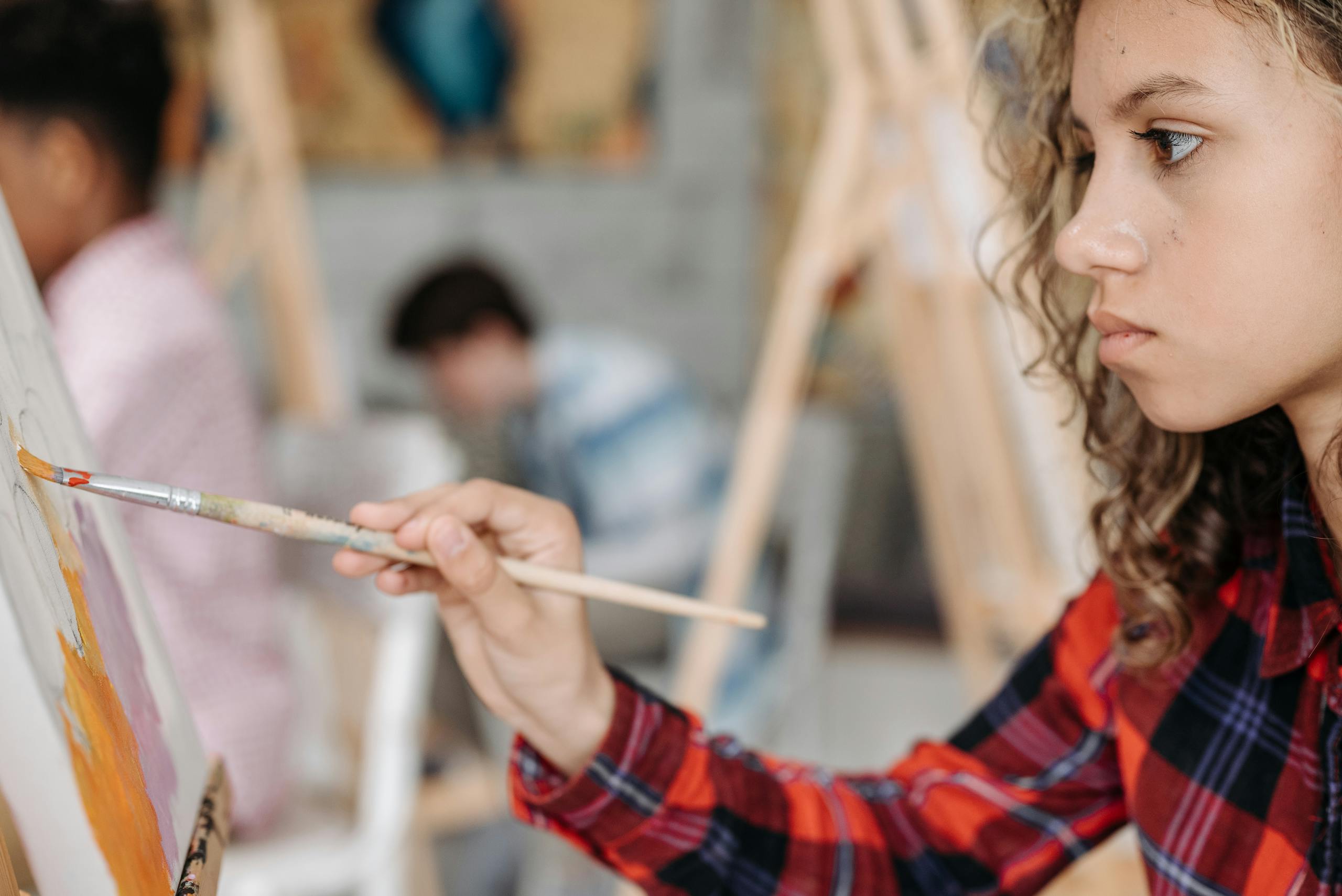
In a bustling art school, where students hone their craft and explore their creativity within the vibrant community, a junior named Taylor found herself immersed in a sequential art class. Taylor had enrolled in the course as an elective, taking a break from her usual curriculum, filled with more conventional subjects. As she settled into her new class, she was surrounded by passionate art majors who were all working diligently to refine their storytelling through comics.
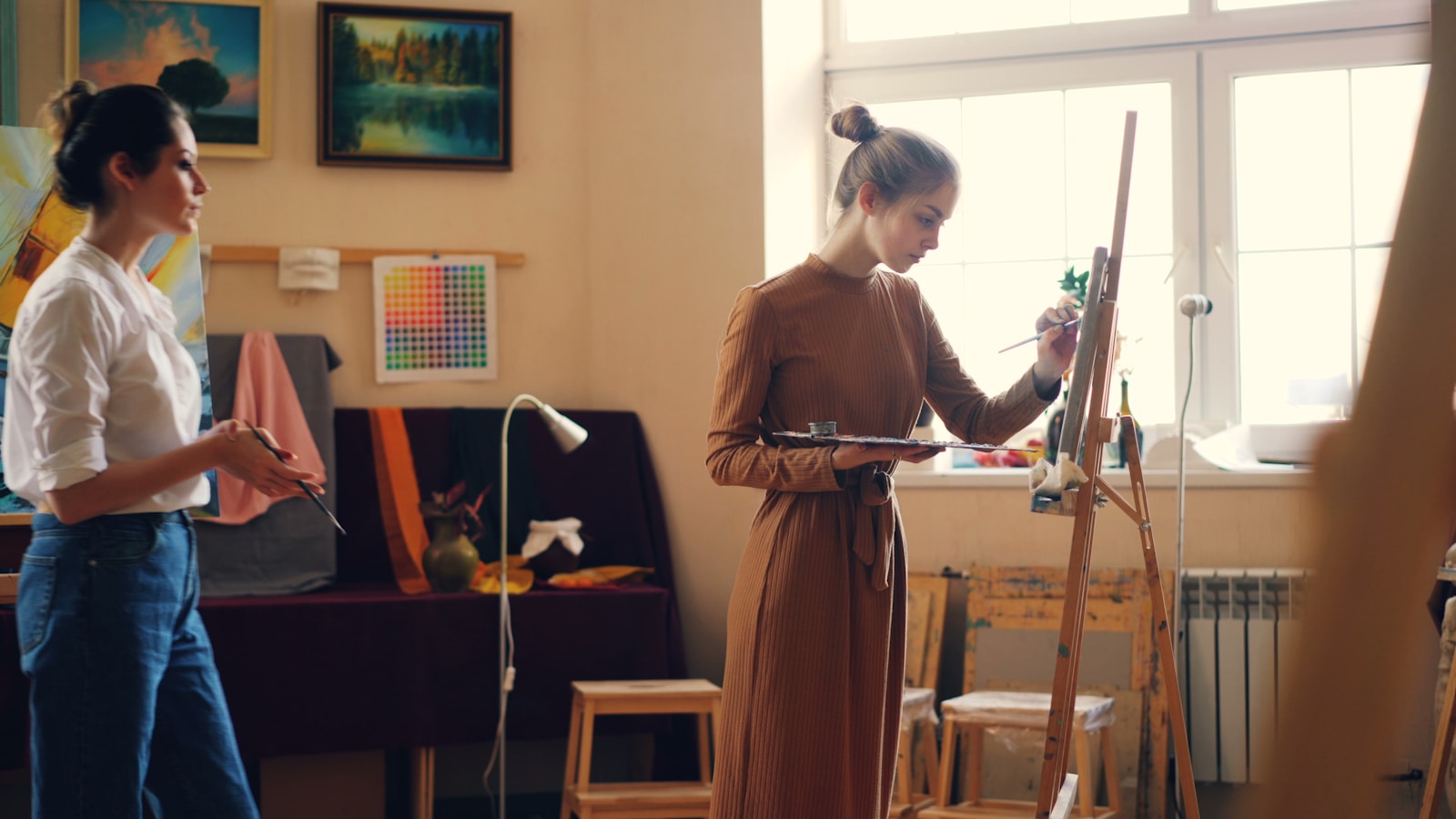
One classmate, whom Taylor would soon refer to as “Lena,” stood out to her in ways that raised eyebrows. Lena was a fellow junior and serious about her craft, or at least that’s what Taylor assumed at first glance. As the semester progressed, the students were tasked with creating various comic panels and stories, and Taylor started to notice something peculiar about Lena’s work. One particular piece caught her attention: it was a dramatic scene, wonderfully executed on its surface, but Taylor felt a nagging sense of familiarity about it.
As she examined the work more closely, it became increasingly clear that Lena had traced over something. Taylor had a background in art criticism, so she knew the signs; the way certain lines were too clean, too perfect, and the faint outlines of the original drawing simmered beneath the surface. Intrigued, she decided to dig deeper to find the source material, primarily out of curiosity rather than malice.
After a bit of sleuthing online, Taylor discovered the original artwork—it belonged to Lena herself, but that wasn’t the surprising part. The drawing was dated and had an unmistakably different style. It was easy to see that her previous work had some charm and personality, unlike the current submission. However, as she continued to inspect the piece, a deeper issue arose: the original drawing seemed to be a rough sketch generated either fully by AI or with substantial AI assistance. The quality felt off, with awkward hands that lacked proportion and strange artifacting marking what should have been a smooth piece.
As Taylor compared more of Lena’s recent and older works, a worrisome trend emerged. The once vibrant and expressive style had dulled dramatically, and the originality that came with youthful exploration gave way to derivative and unoriginal art. It was heartbreaking—Taylor understood the struggle of developing one’s style, but it felt disheartening to see someone coasting along on the coattails of technology rather than investing the hard work that everyone else in the class was putting in.
However, the question of ethics lingered heavily in Taylor’s mind. Did she have the right to expose Lena’s secret? The idea of reporting her to the professor felt like an extreme measure, especially considering their studio environment was supposed to be a supportive creative space. Yet, how fair was it that Lena could submit this work, while her classmates poured their hearts and souls into their projects? It created an internal conflict within Taylor—should she stand up for what felt like an injustice, or should she keep her head down and focus on her own progress?
With the semester rolling on, Taylor felt the heat of the dilemma pressing down on her. Many of her classmates were feeling the crunch, pushing through late nights of sketches, building their ideas from the ground up, and nervously awaiting critiques. Meanwhile, Lena seemed unfazed, consistently presenting work that lacked authenticity. Each time the class shared their pieces for feedback, Taylor couldn’t help but wonder how the professor could overlook the stark difference in effort and integrity.
After reflecting on her own situation and the stakes involved, Taylor decided to seek advice from a trusted mentor within the art department to discuss how to approach the situation. They advised her to consider the bigger picture: art is a personal journey, and while technology can enhance creativity, it’s essential to maintain a foundation grounded in originality. Ultimately, Taylor needed to reconcile her feelings of frustration with the need for camaraderie among fellow artists.
Whether she chose to report Lena or to let it slide was a decision that would weigh heavily on her conscience. In a world where authenticity mattered, how could she reconcile her desire for fairness with the complexity of human relationships in a competitive environment? This question would linger as the semester pressed forward, and Taylor continued to navigate the intricate balance of art and integrity in her journey.
More from Cultivated Comfort:
- 7 Vintage Home Items From the ’60s That Are Collectors’ Dream Finds
- 7 Vintage Home Goods That Became Collectors’ Gold
- 7 Fast-Food Chains That Changed for the Worse
- 7 Frozen Dinners That Were Better Back in the Day